May 2026
Kashmir Valley
|
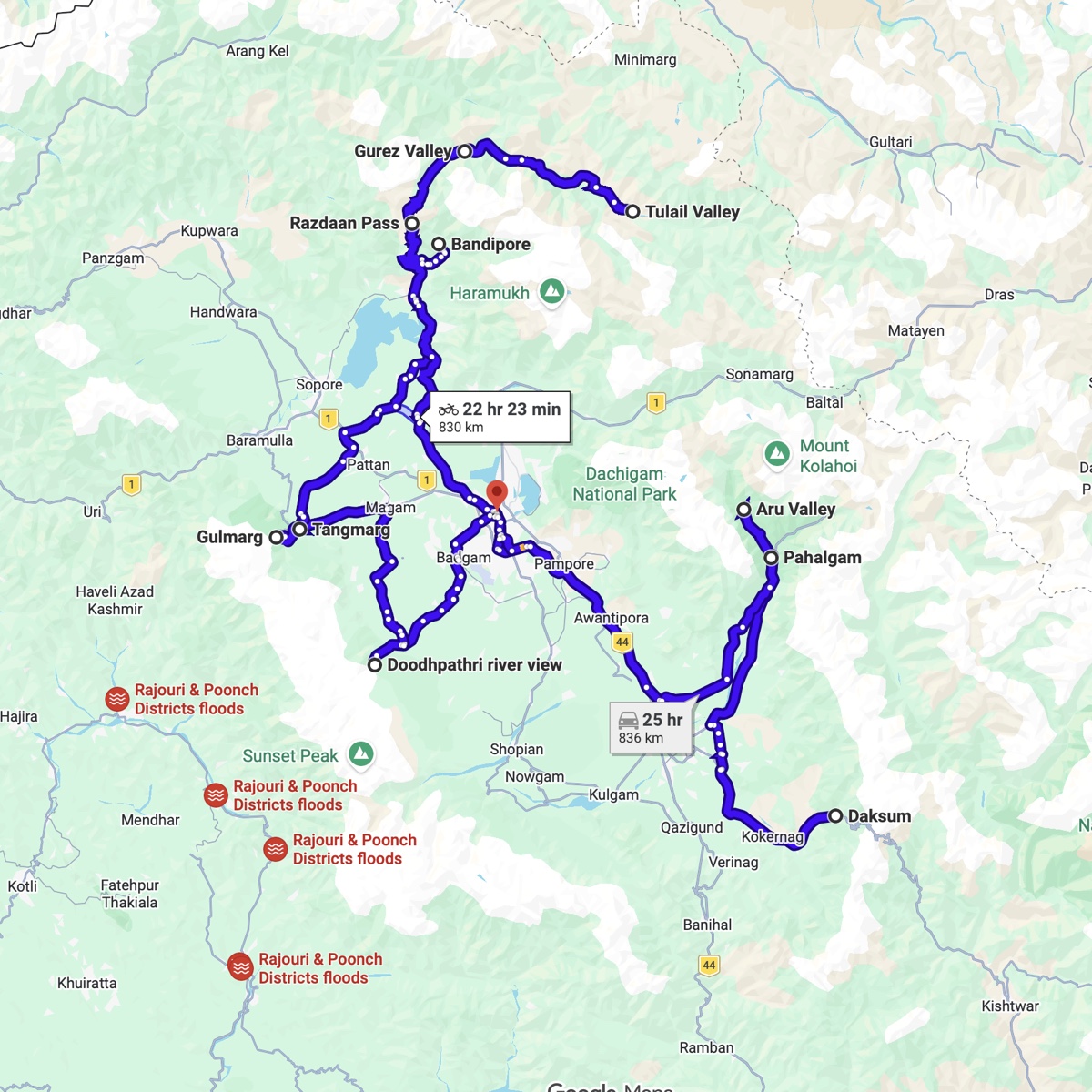
Route
Srinagar → Doodhpatri → Tangmarg → Gulmarg → Sopore → Bandipore → Razdan Pass → Gurez → Tulail → Srinagar → Pahalgam → Daksum → Aru → Betaab → Srinagar
Route Map
 Highlights
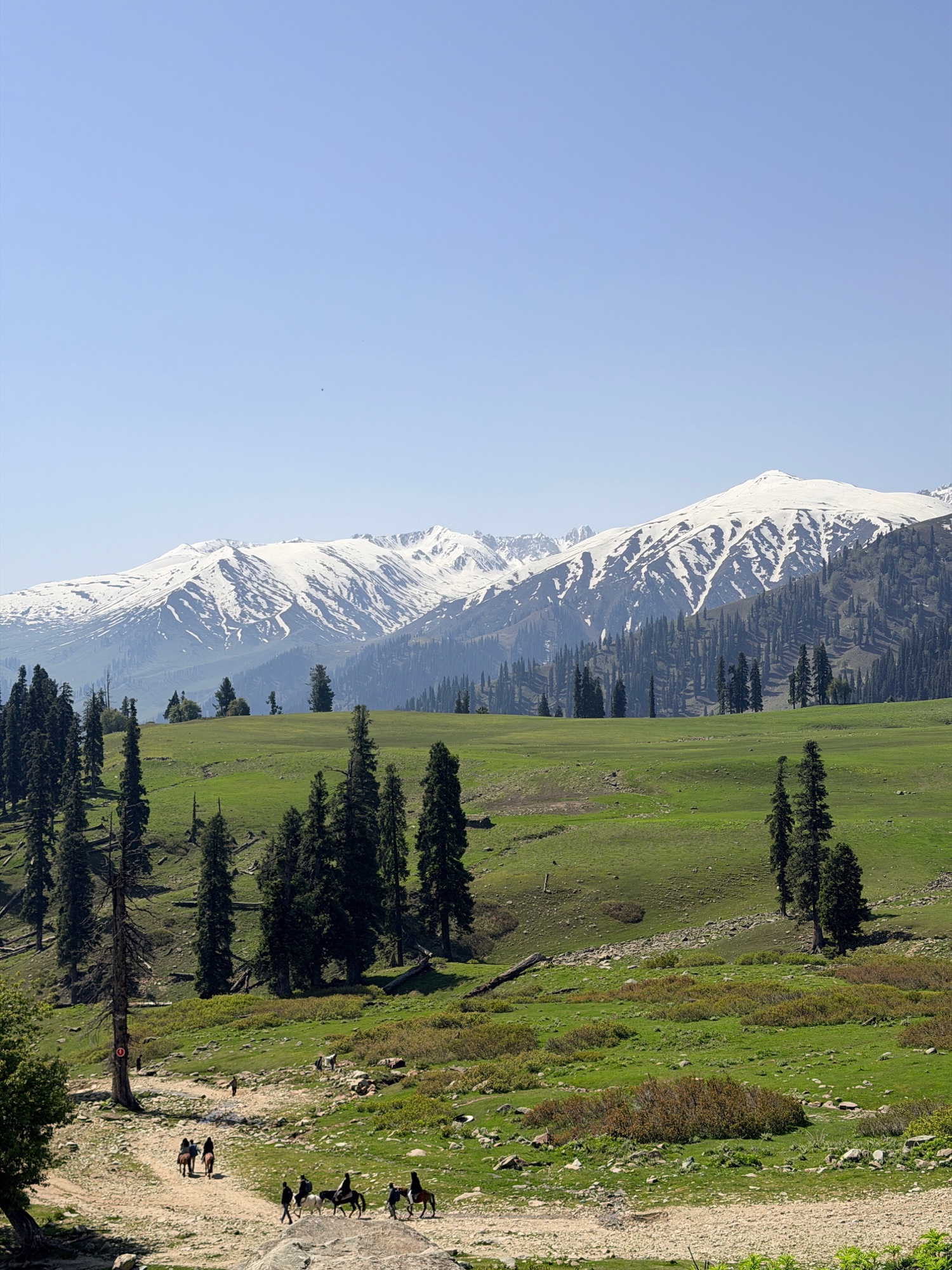
The meadows at Doodhpatri, and kahwa by a stream at Tangmarg.
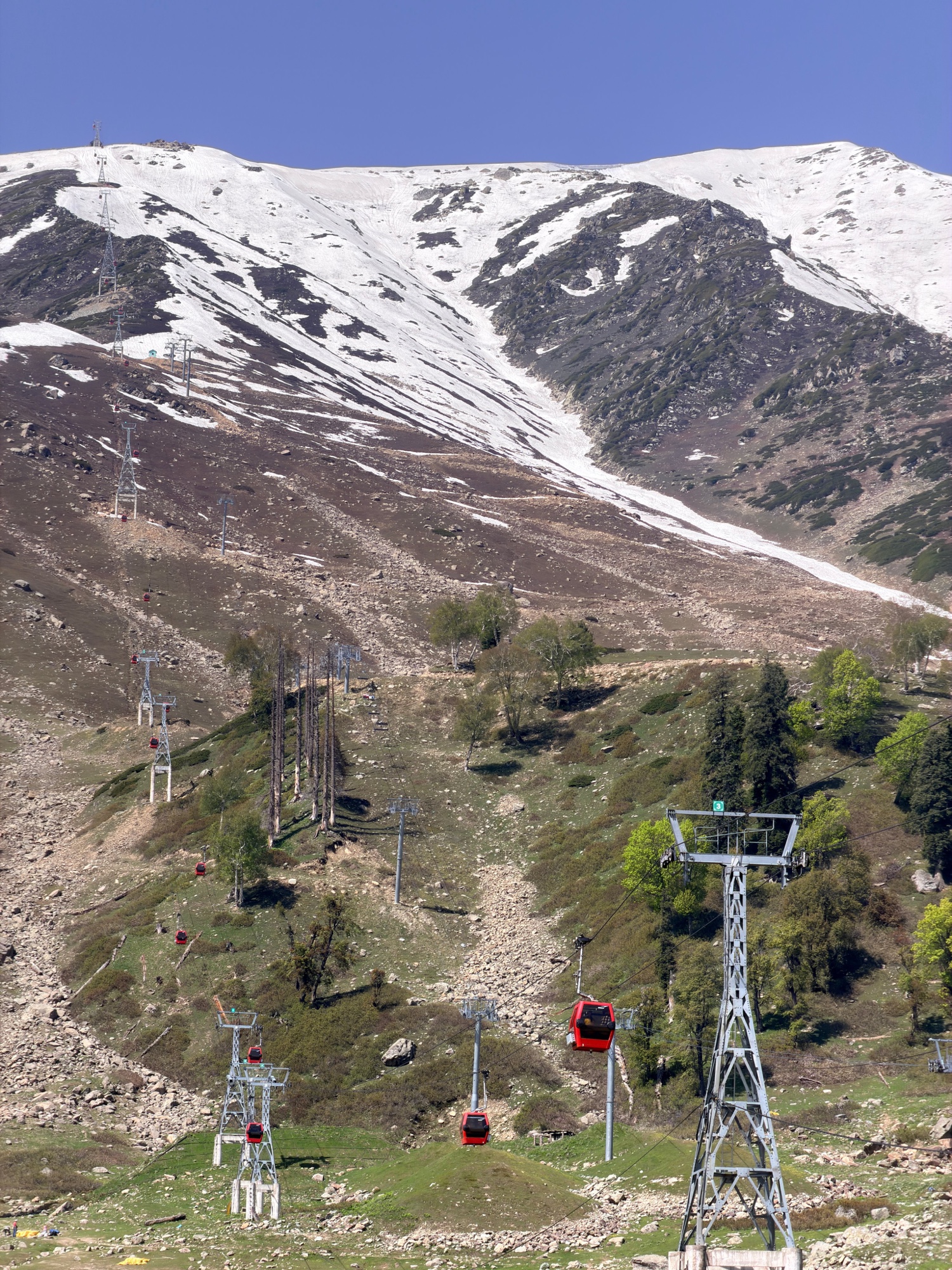
The Gulmarg gondola, with views all around.
Razdan Pass, and the long light coming into Gurez.
Tulail valley out to the Chakwali post.
Khanqah and Jamia Masjid in the Srinagar old city.
Martand Surya temple on the way to Pahalgam.
Aru and Betaab valleys, and the Shalimar gardens on the last evening.
Food Along the Way
Wazwan at Mughal Darbar, Srinagar.
Kahwa near Gulmarg and Tangmarg, more than once.
Nihari and kabab at Khayam Chowk.
Harissa hunting and bakery hopping on a drizzly Srinagar morning.
Trout at a local inn in Pahalgam, and farm to fork grilled trout at Daksum in fifteen minutes flat.
Pizza at Cafe Wilo, and chai and Maggi in the room.
Source
Original thread on X
Highlights
The meadows at Doodhpatri, and kahwa by a stream at Tangmarg.
The Gulmarg gondola, with views all around.
Razdan Pass, and the long light coming into Gurez.
Tulail valley out to the Chakwali post.
Khanqah and Jamia Masjid in the Srinagar old city.
Martand Surya temple on the way to Pahalgam.
Aru and Betaab valleys, and the Shalimar gardens on the last evening.
Food Along the Way
Wazwan at Mughal Darbar, Srinagar.
Kahwa near Gulmarg and Tangmarg, more than once.
Nihari and kabab at Khayam Chowk.
Harissa hunting and bakery hopping on a drizzly Srinagar morning.
Trout at a local inn in Pahalgam, and farm to fork grilled trout at Daksum in fifteen minutes flat.
Pizza at Cafe Wilo, and chai and Maggi in the room.
Source
Original thread on X
|
Notes from the Ride
You land in Srinagar and the valley starts working on you before you have even got to the bike.
Seven riding days and 1000 km, on a loop that never really leaves the valley — Doodhpatri, Gulmarg, over the Razdan Pass into Gurez, back out, then south to Pahalgam and Daksum. On paper it is a small ride. In practice each valley is walled off from the next, and getting between them costs a pass and most of a day.
Gurez was the far point, and getting there was the ride: the gondola at Gulmarg in the morning, then north and up, through the checkpoint at Razdan and down into a valley that runs towards the Line of Control and stops. It was eight in the evening by the time I got in, and the light was still kind.
Not everything opened. Sinthan Top and Margan were shut at the Daksum checkpoint, which turned a pass into an afternoon by a stream and a grilled trout that had been in the water fifteen minutes earlier, five metres away. Aru was rained off one day and made up the next.
The rest of it, honestly, was food. Wazwan on the first afternoon. Harissa and bakery hopping in the drizzle. Nihari at Khayam Chowk at nine at night. Kahwa at every hour, including the ones you should not be drinking anything at.
Snow on the passes, apple orchards under them, and trout somewhere in between.
Tweets from the Road
In May 2026, I spent a few days riding across Kashmir. These are my notes and highlights from the trip
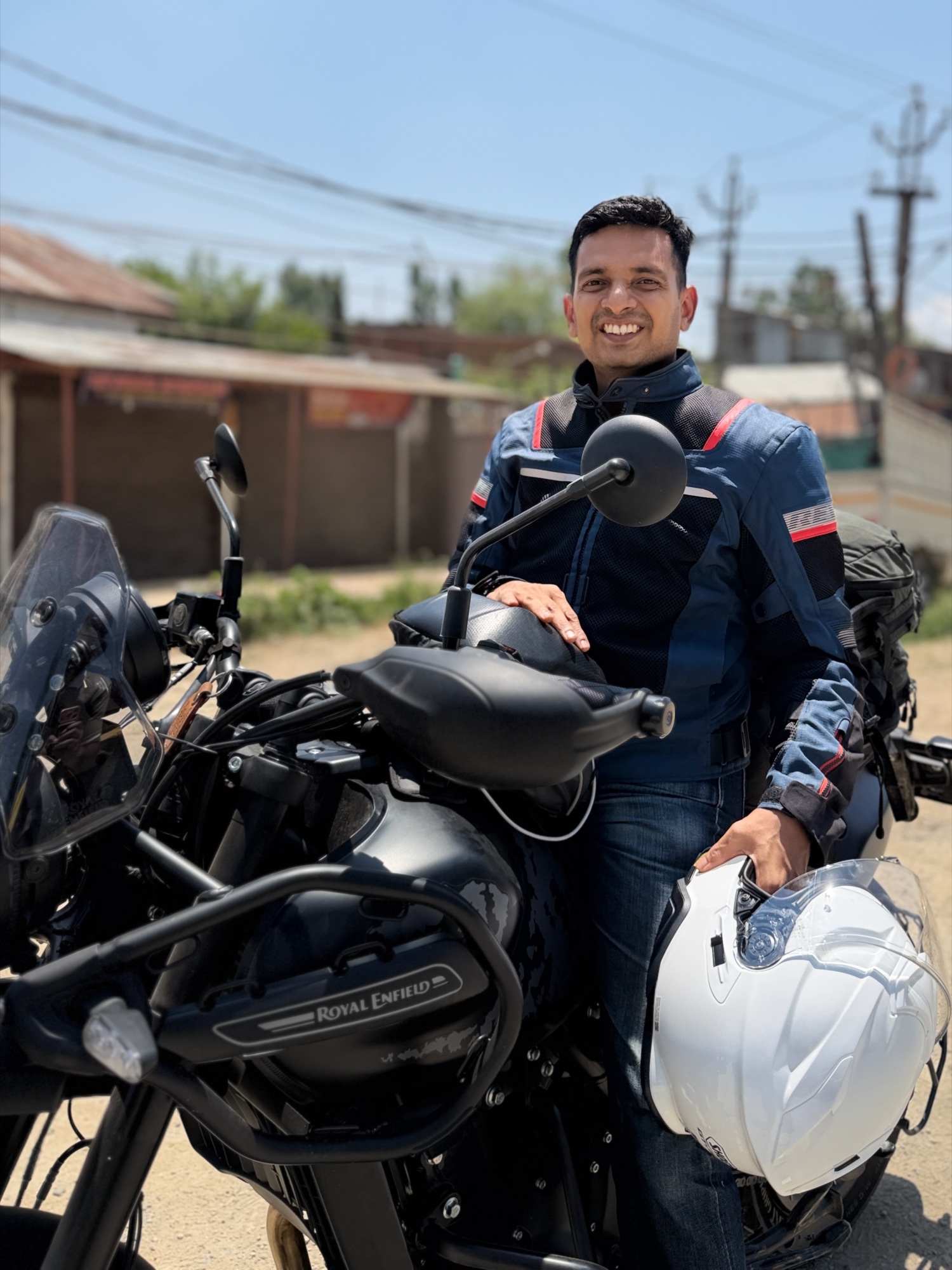
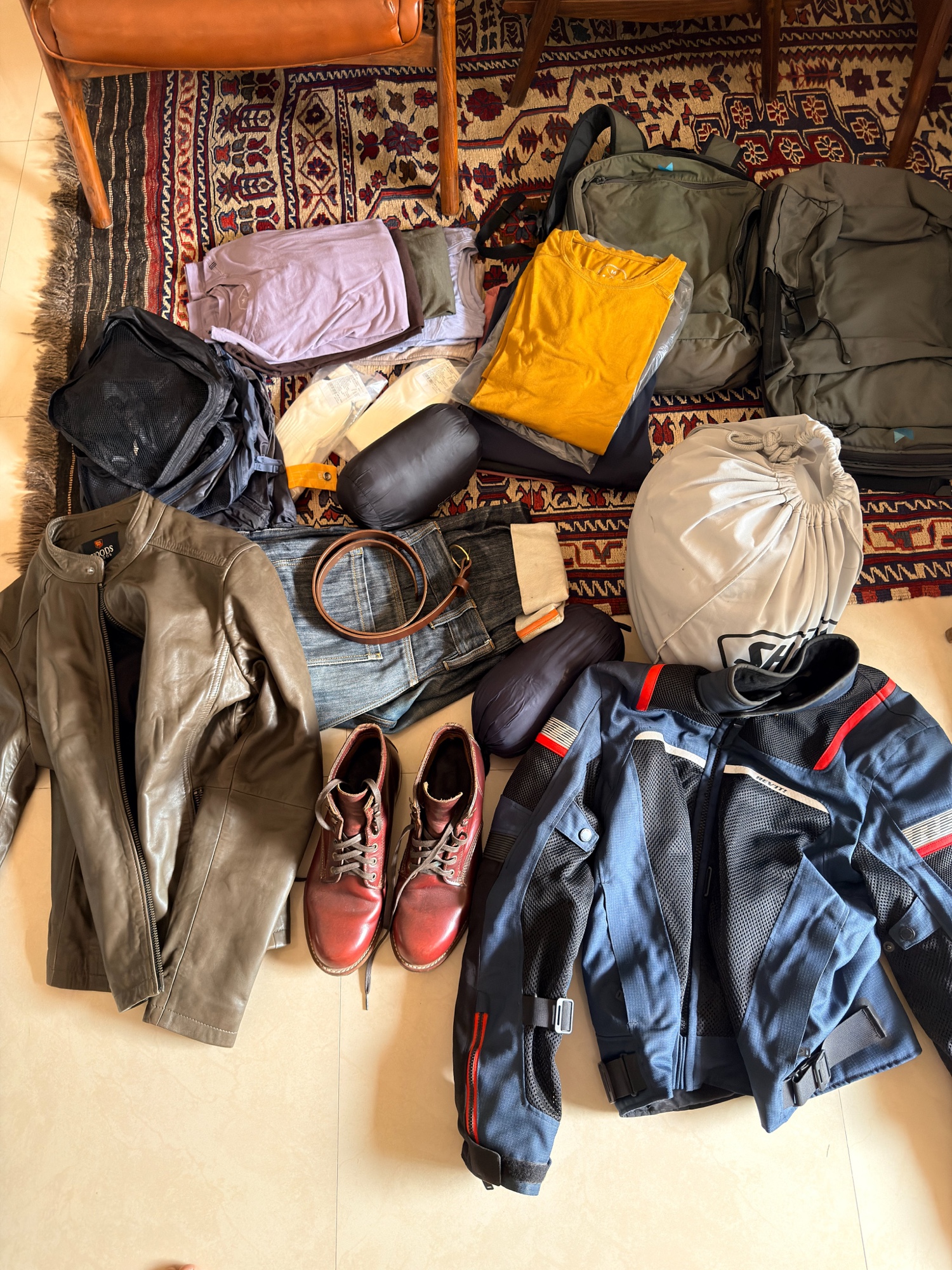
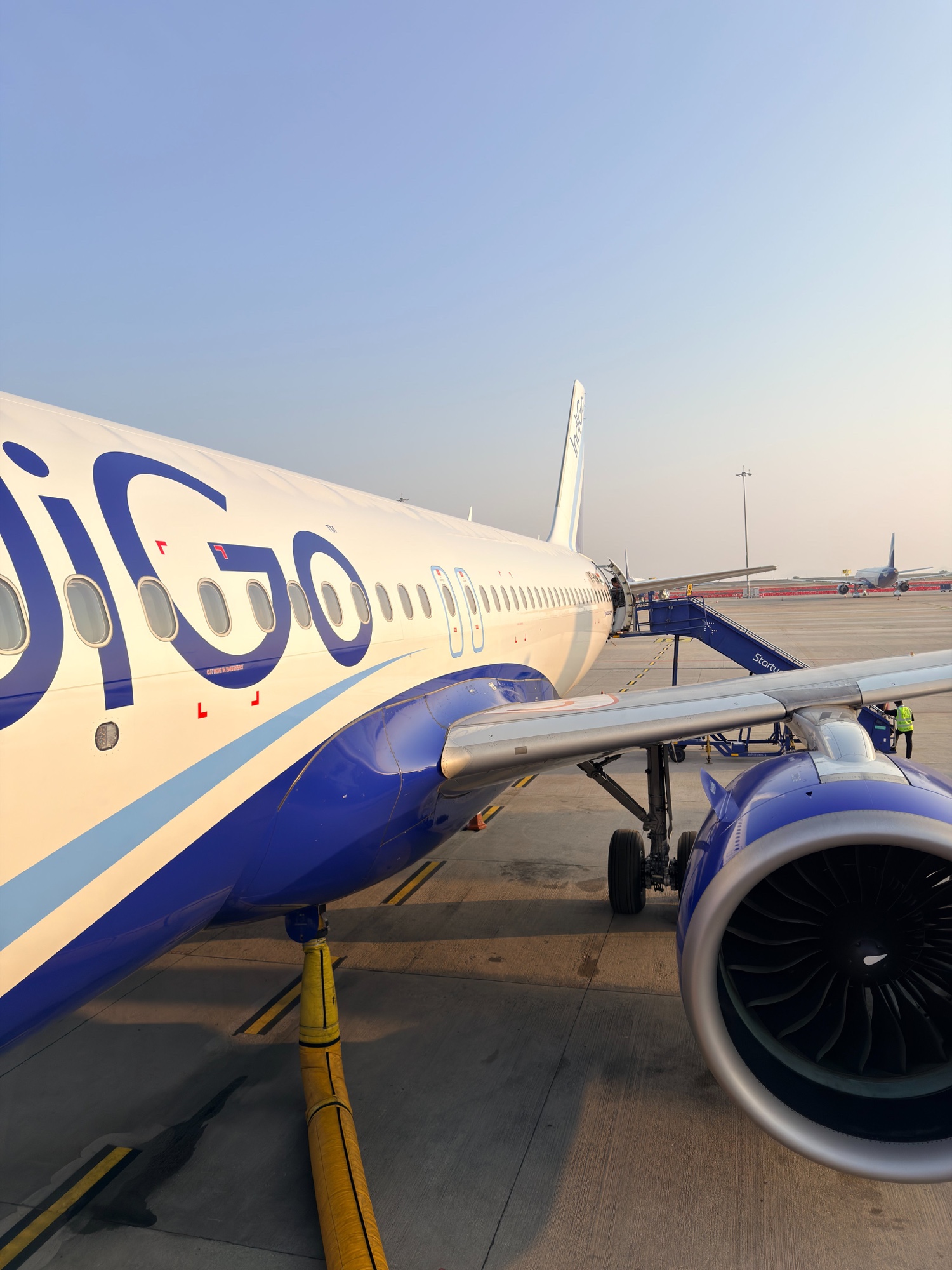
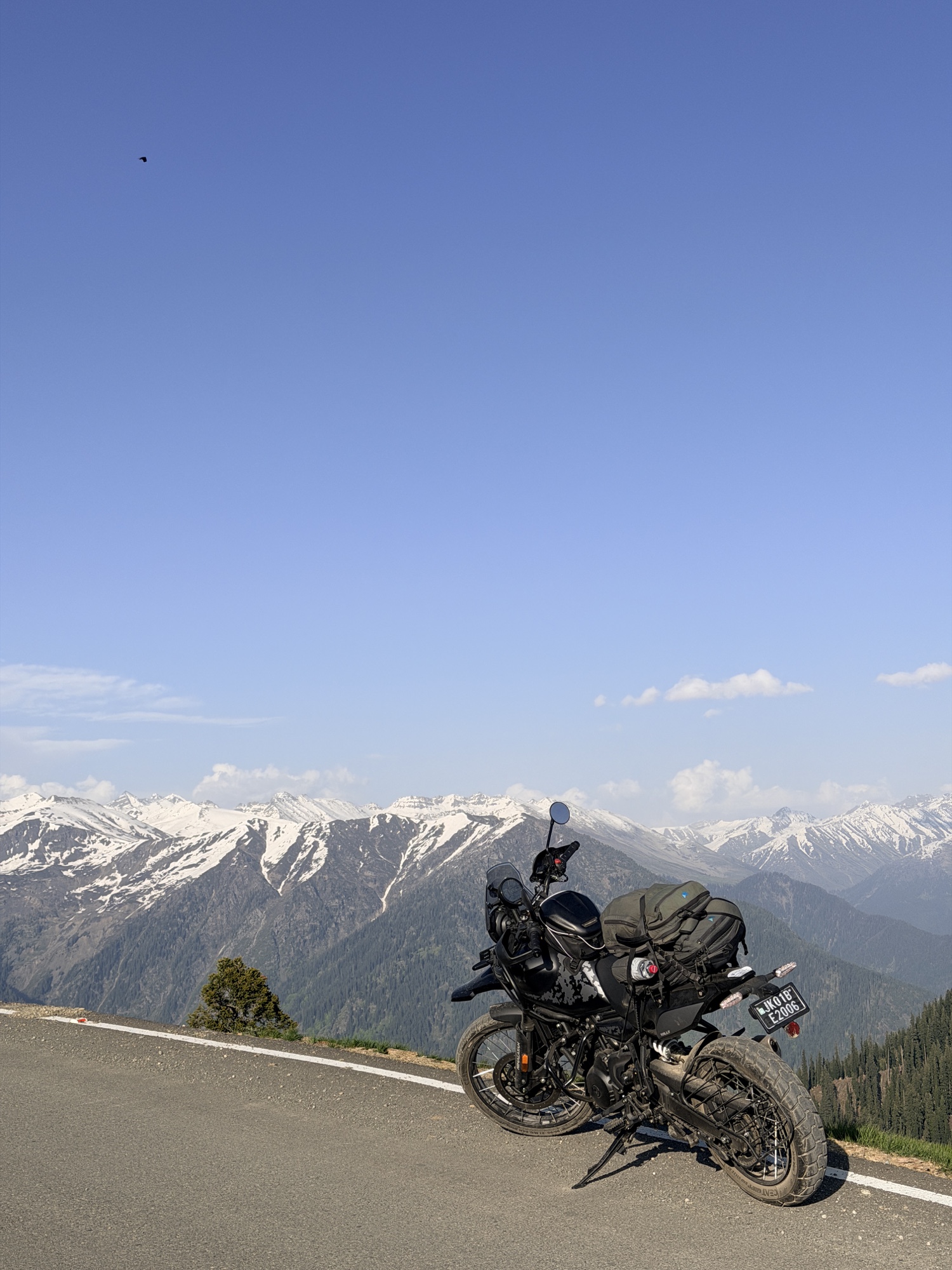 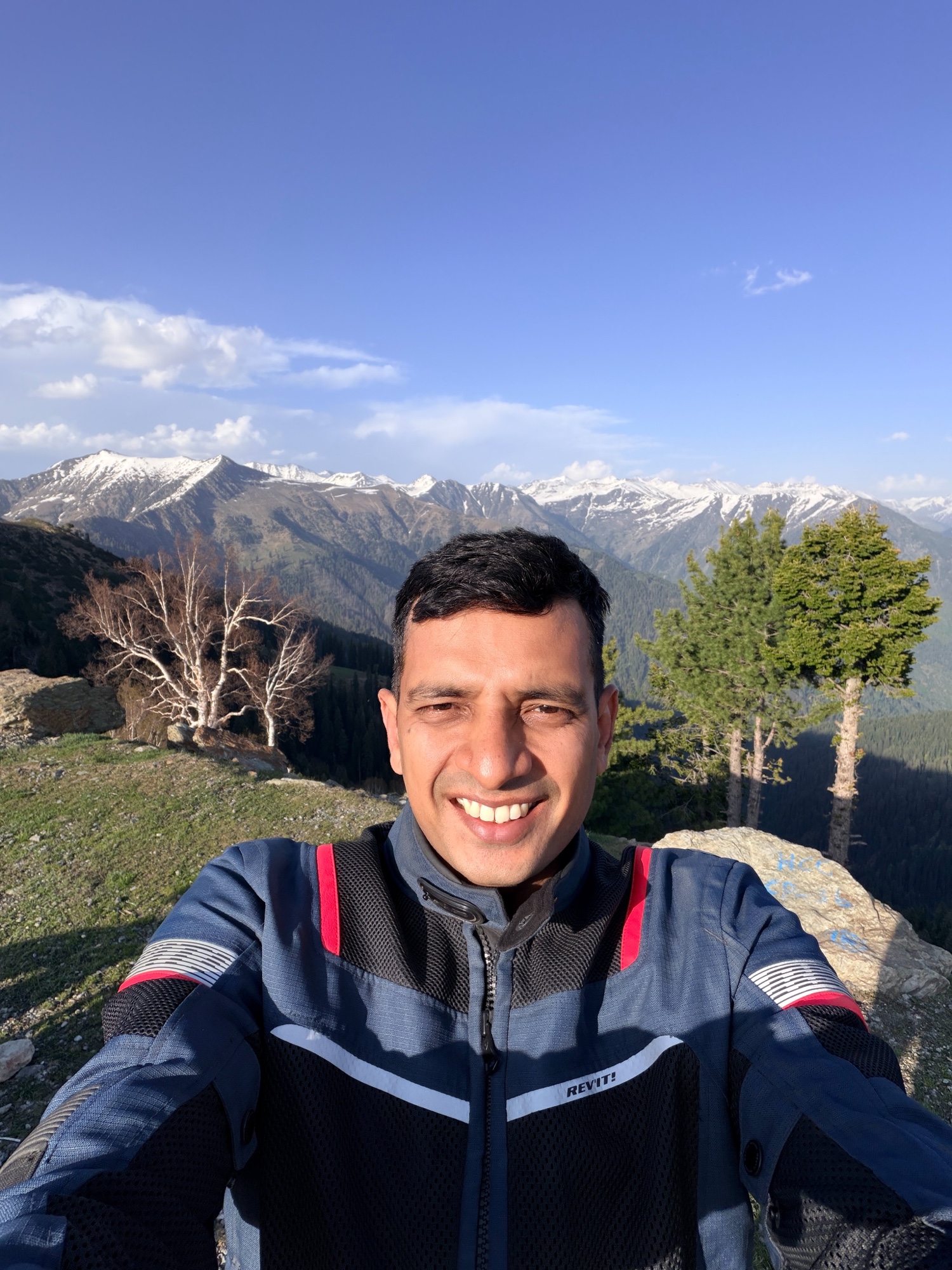 Packed my bags and riding gear and flew from Bangalore to Srinagar, where I rented a Himalayan 450.
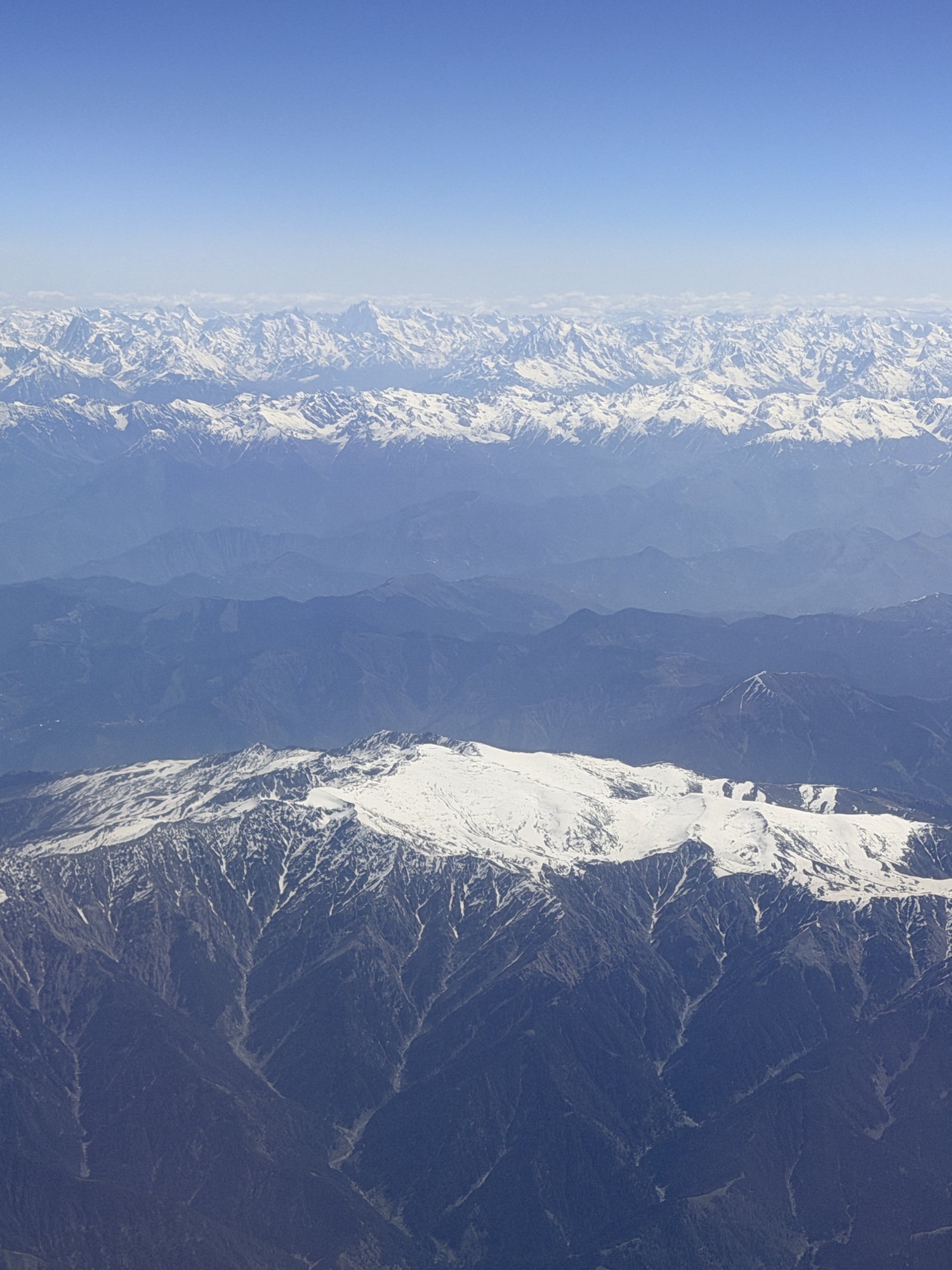
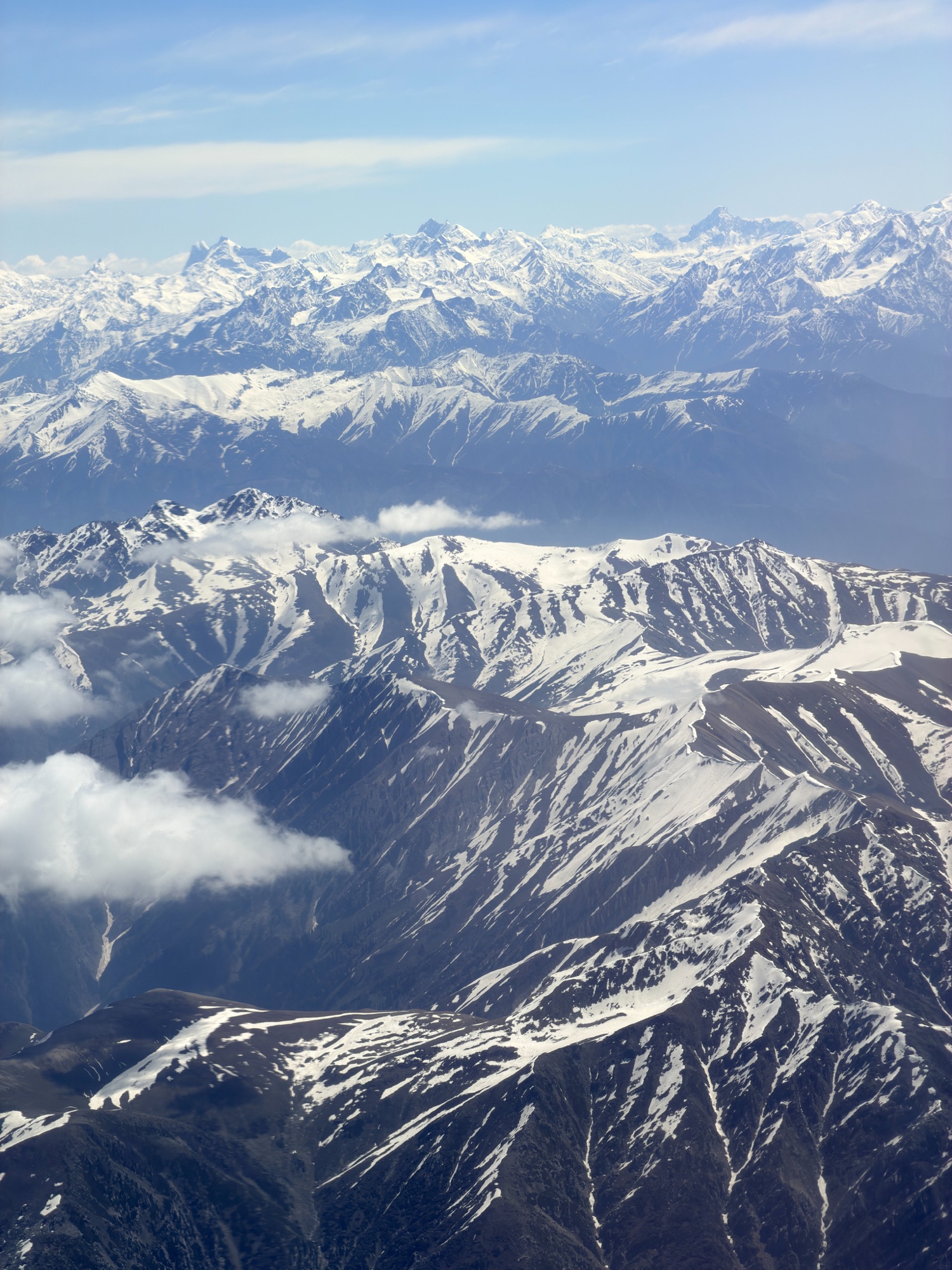
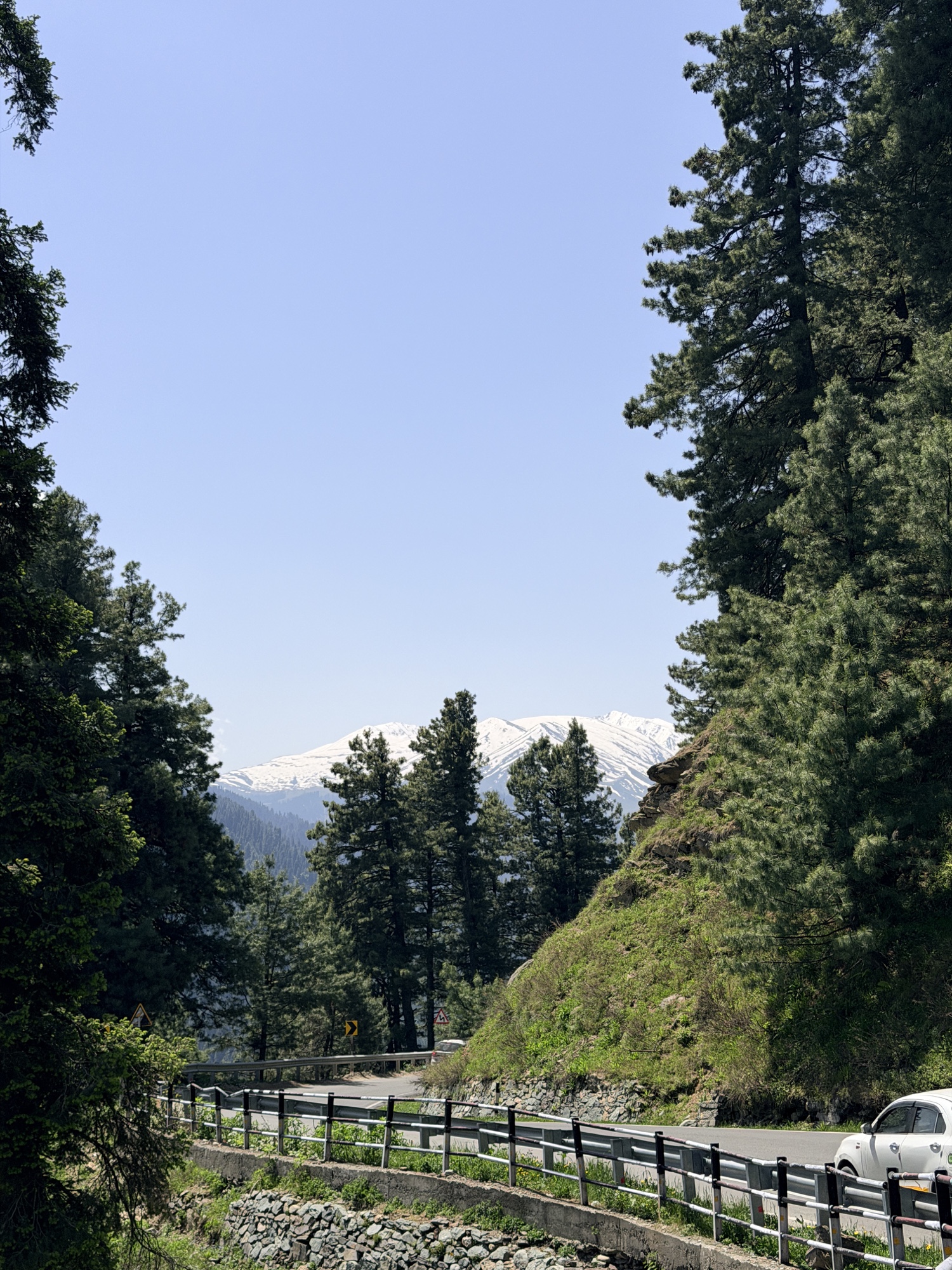
   The first treat came before we even descended into the Kashmir Valley -- incredible views of the Pir Panjal, Zanskar and Great Himalayan ranges stretching to the horizon.
  Rode west out of Srinagar towards Doodhpatri. The air was crisp. I was still getting used to the fact that mountains would remain in sight for most of the ride.
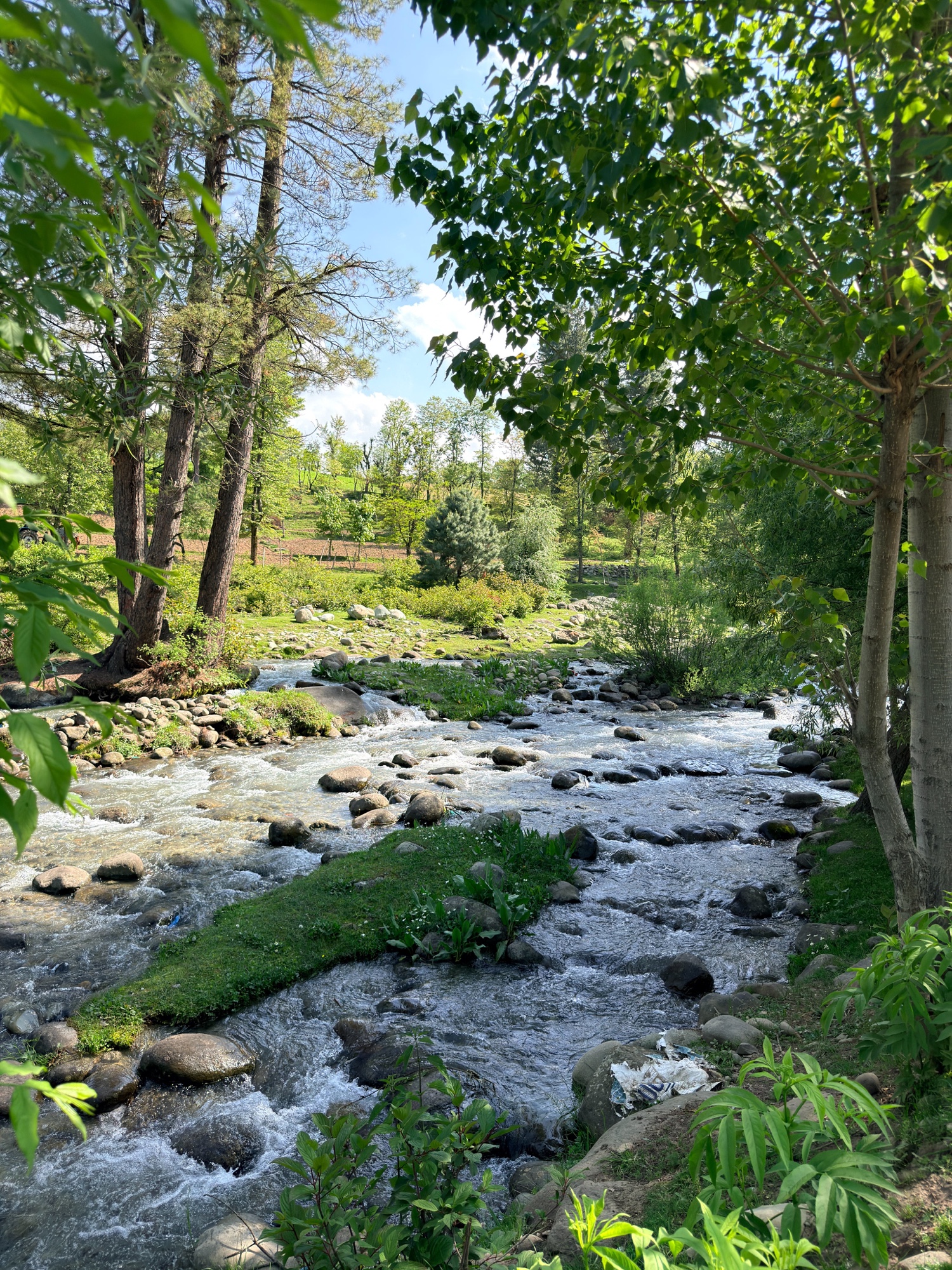 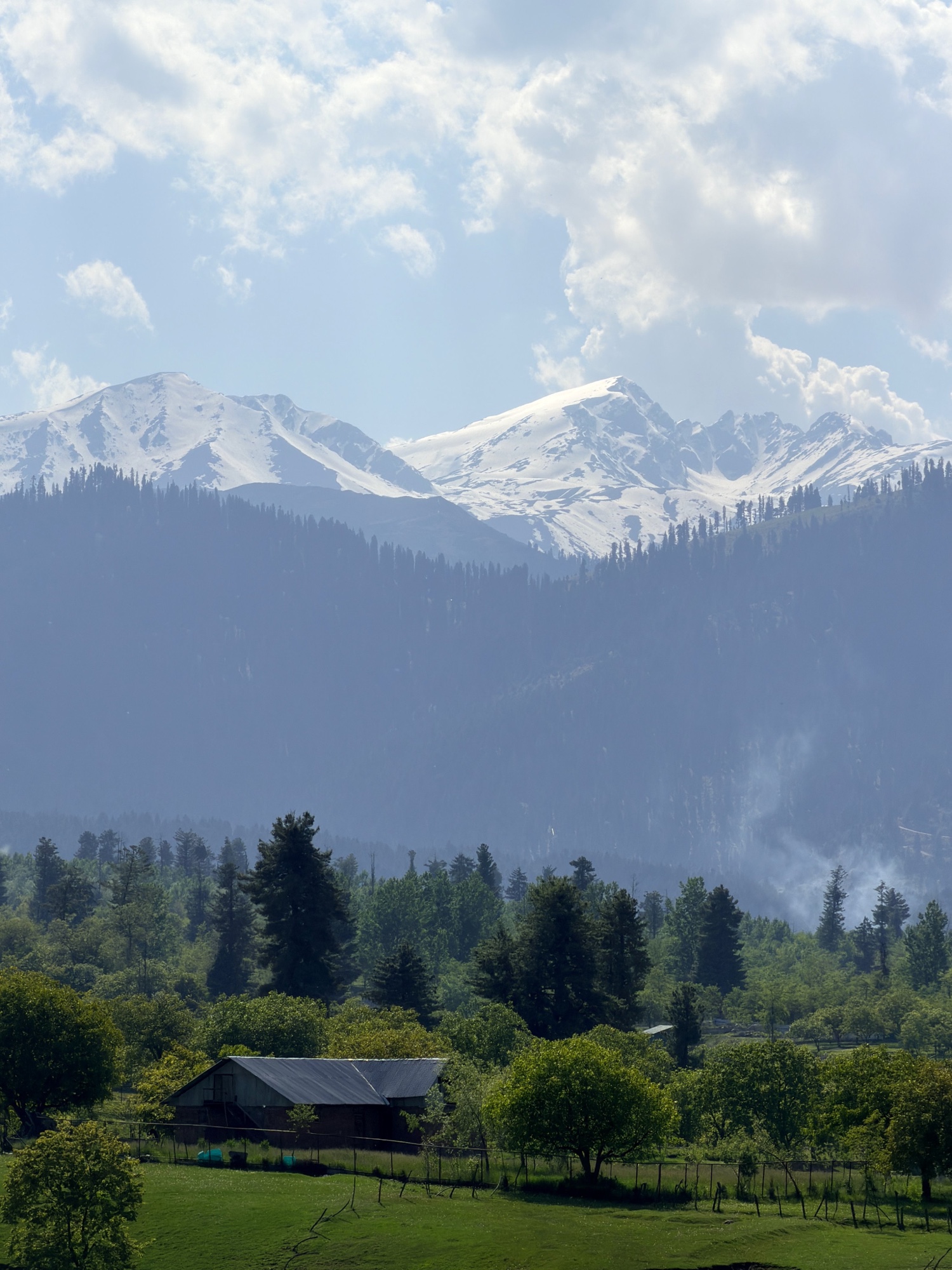 Took a series of village roads and backroads before joining the Srinagar-Gulmarg highway.
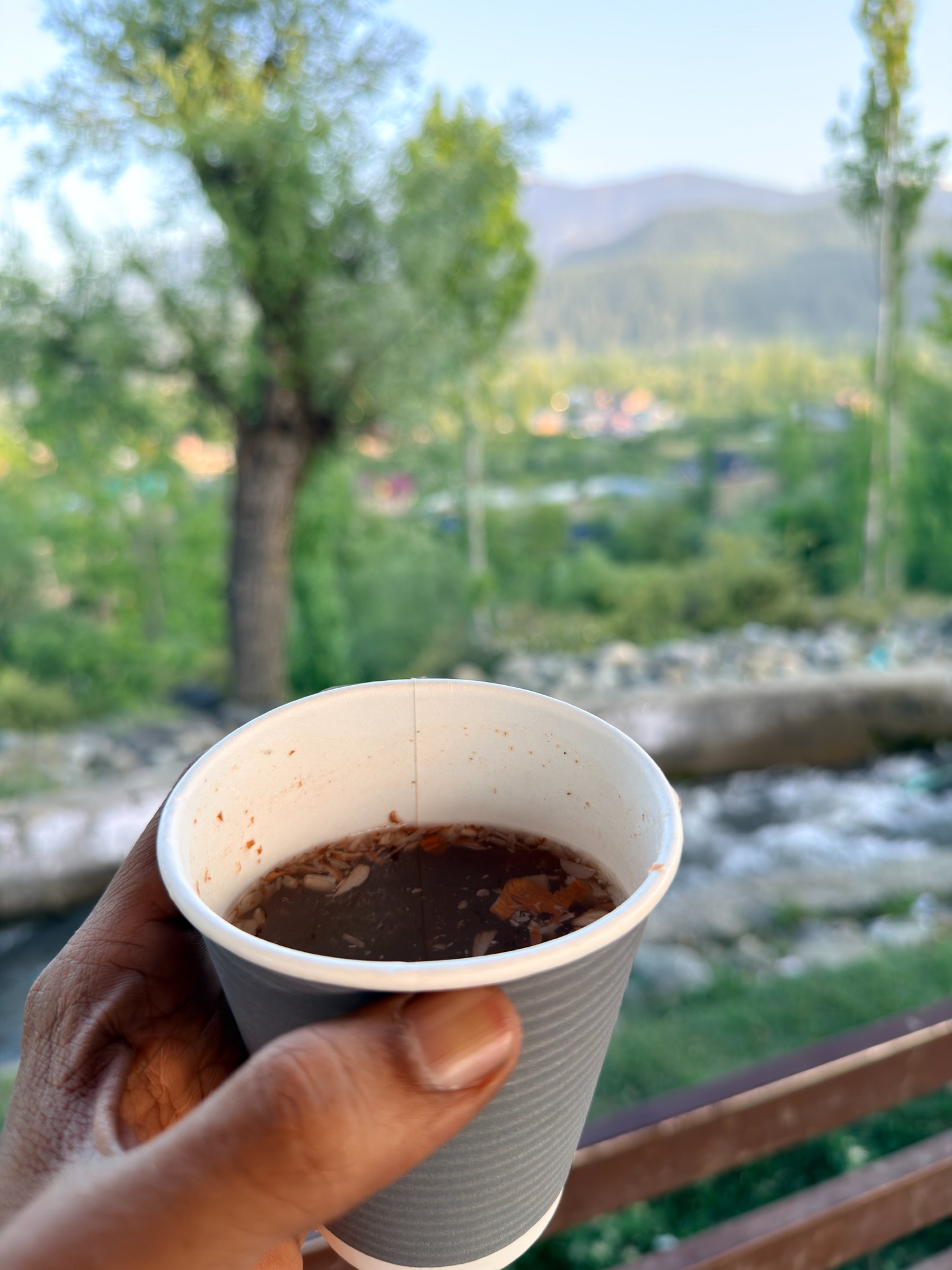
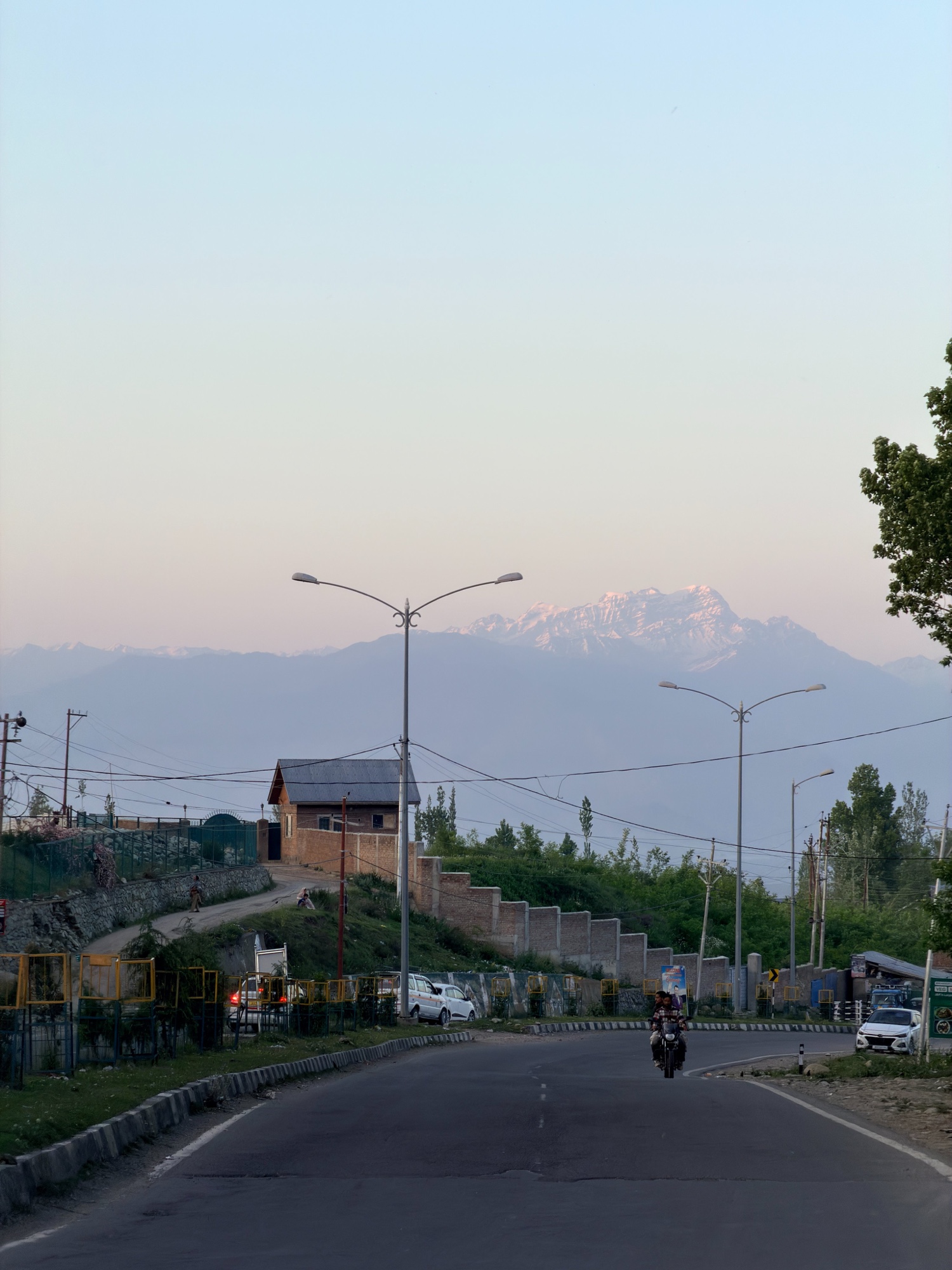
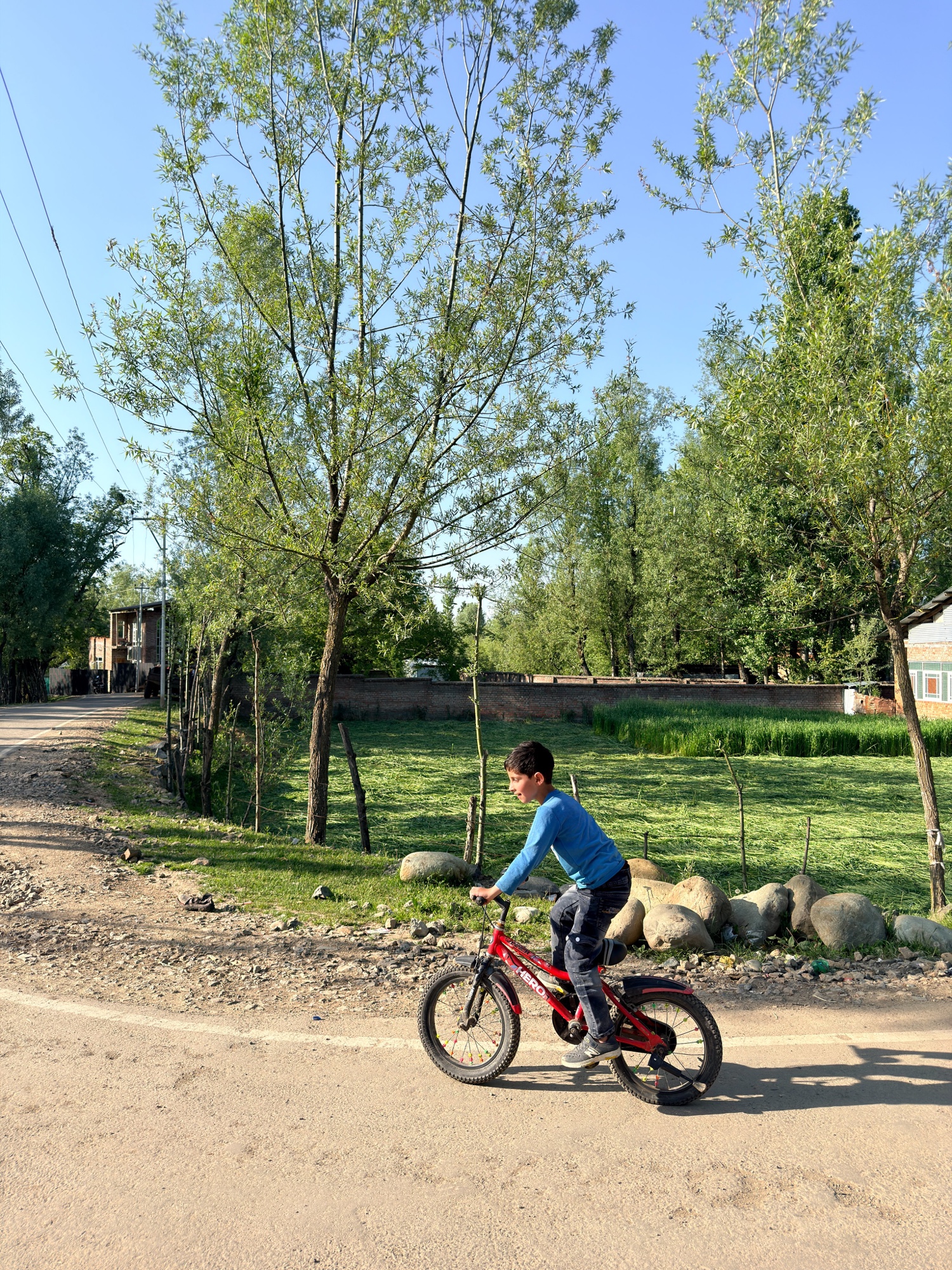  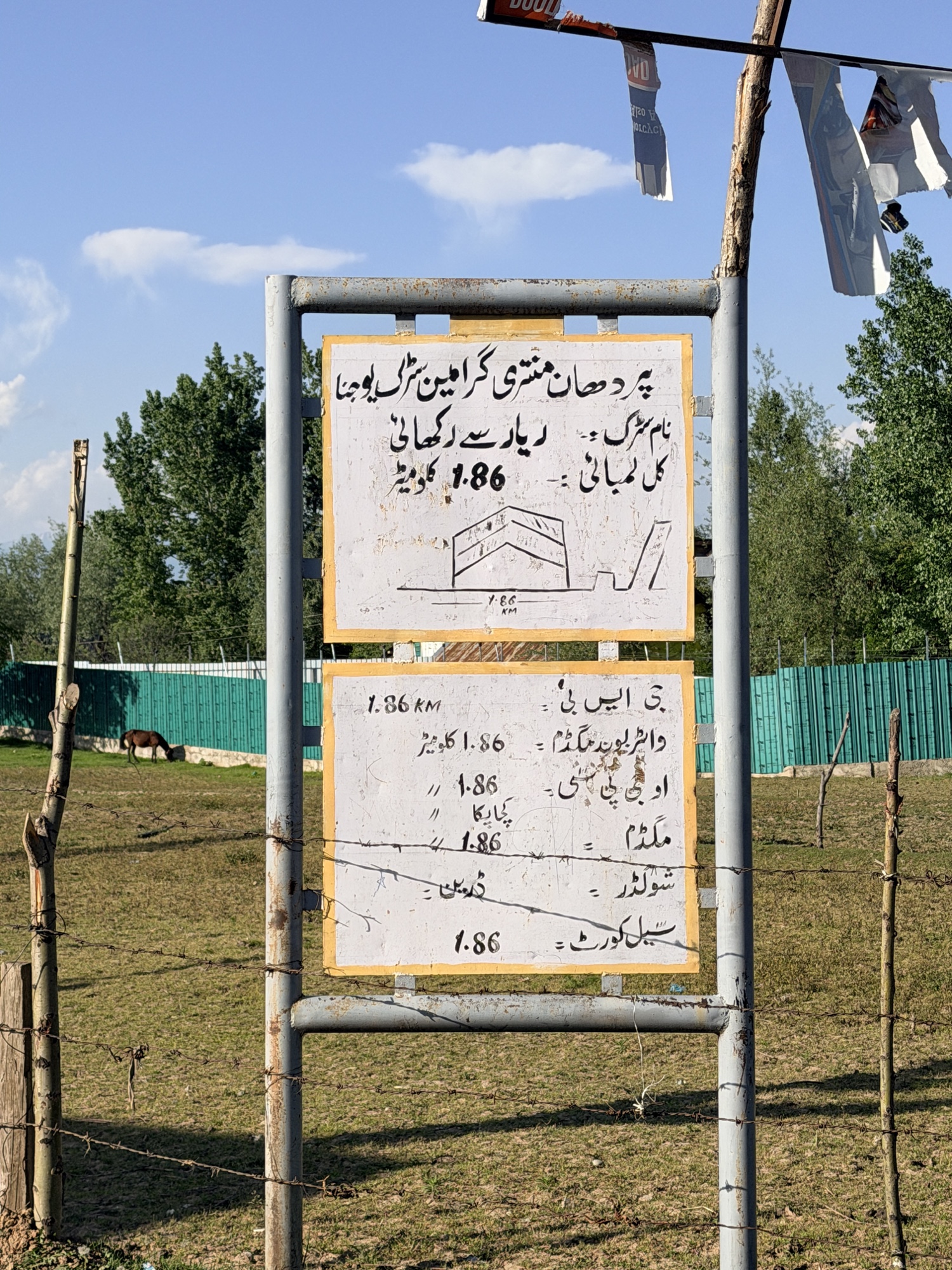 Stopped at a roadside food truck serving kahwa. What was meant to be a short break turned into an hour. I sat there until the evening light began to fade behind the mountains.
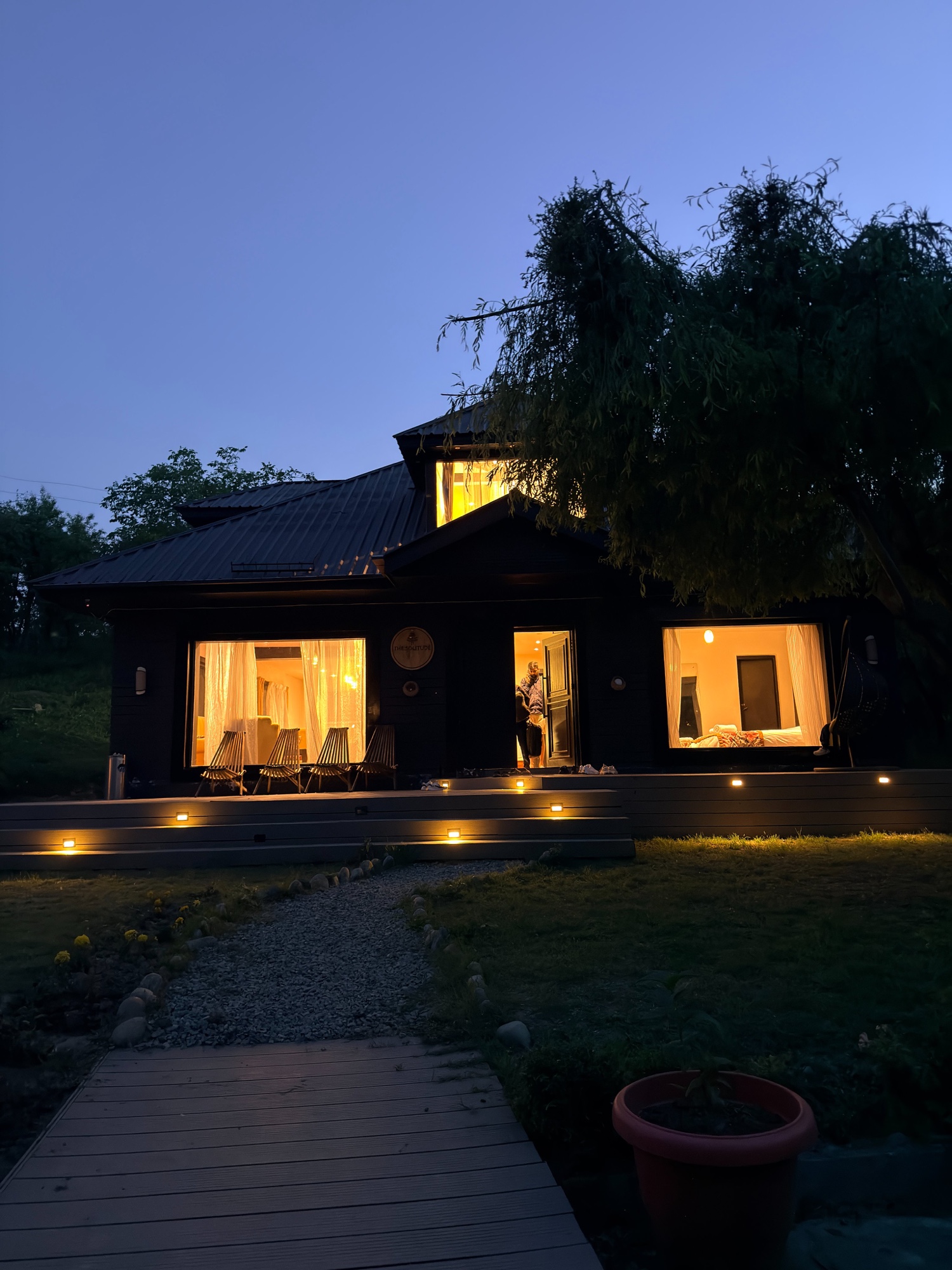
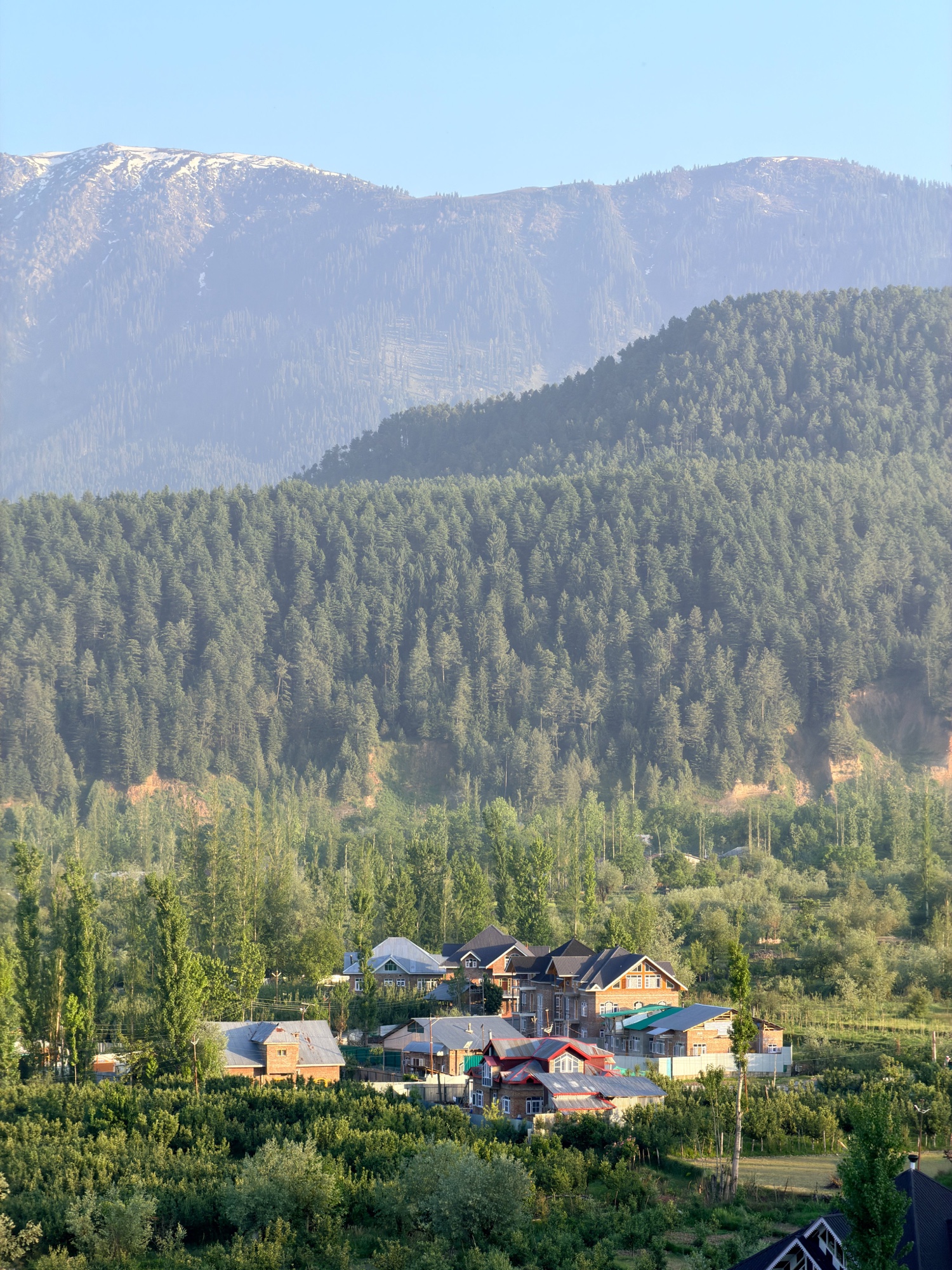   Looked for the nearest inexpensive place to stay and found a B&B called The Solitude in Tangmarg.
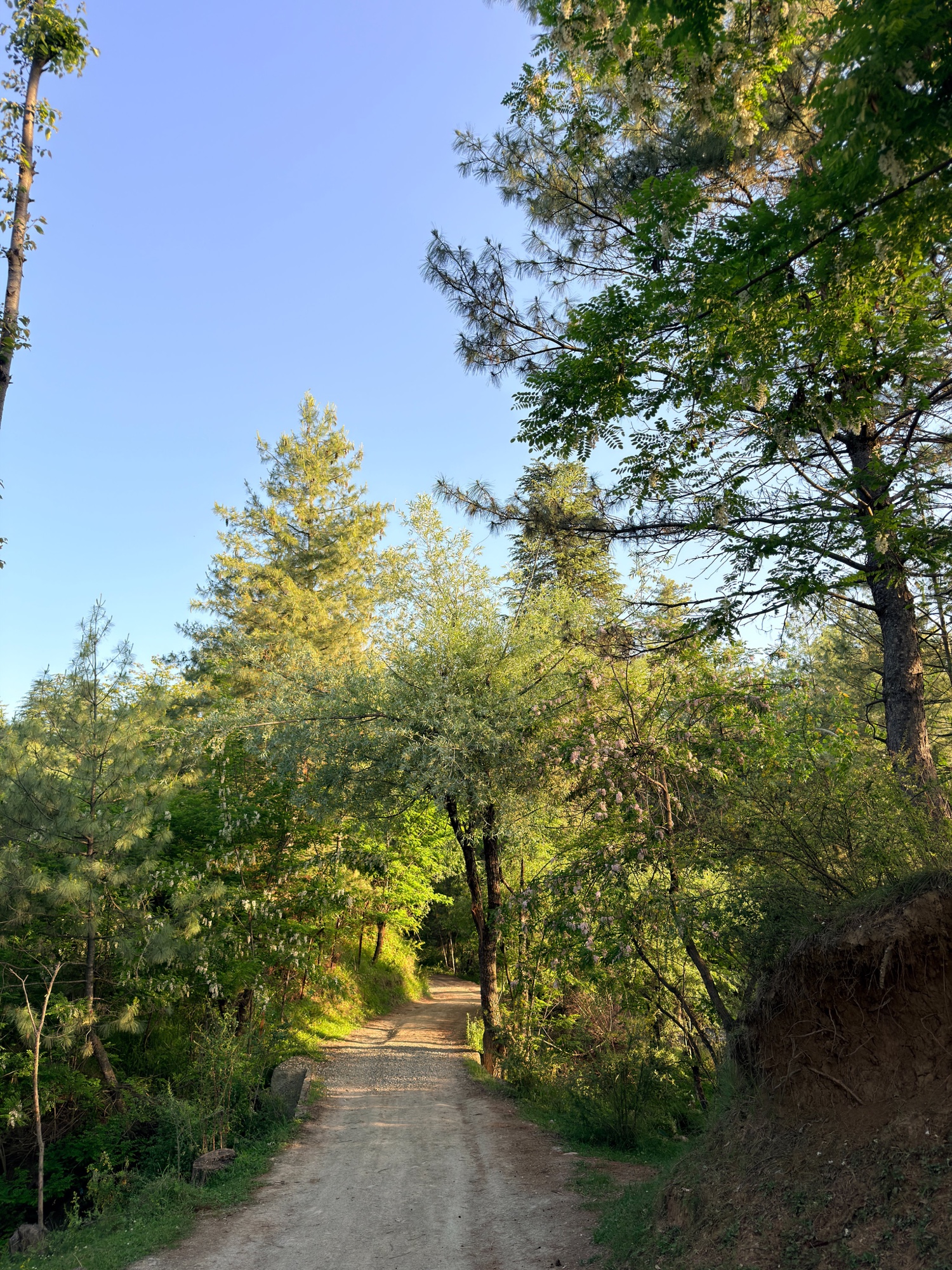
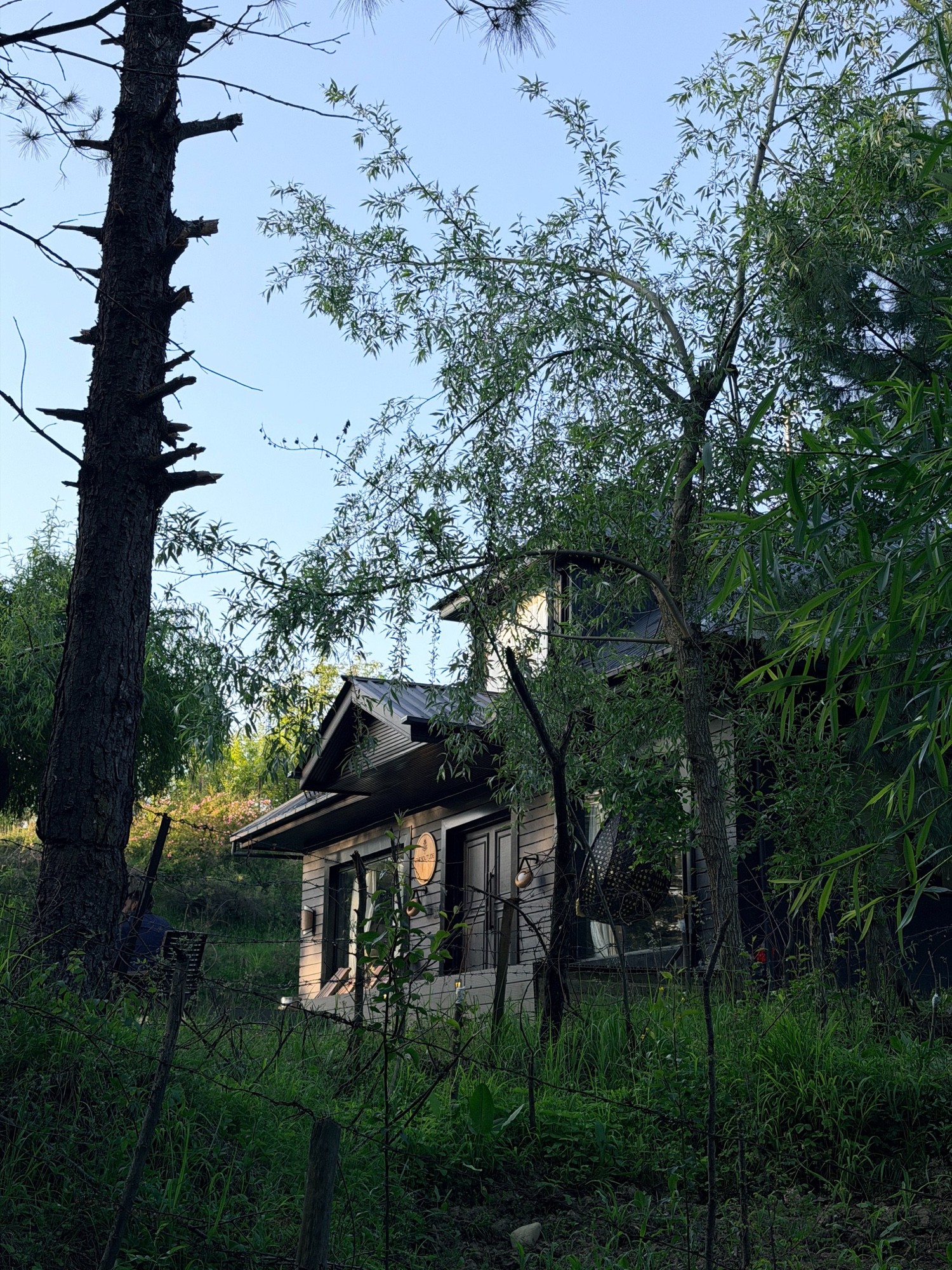 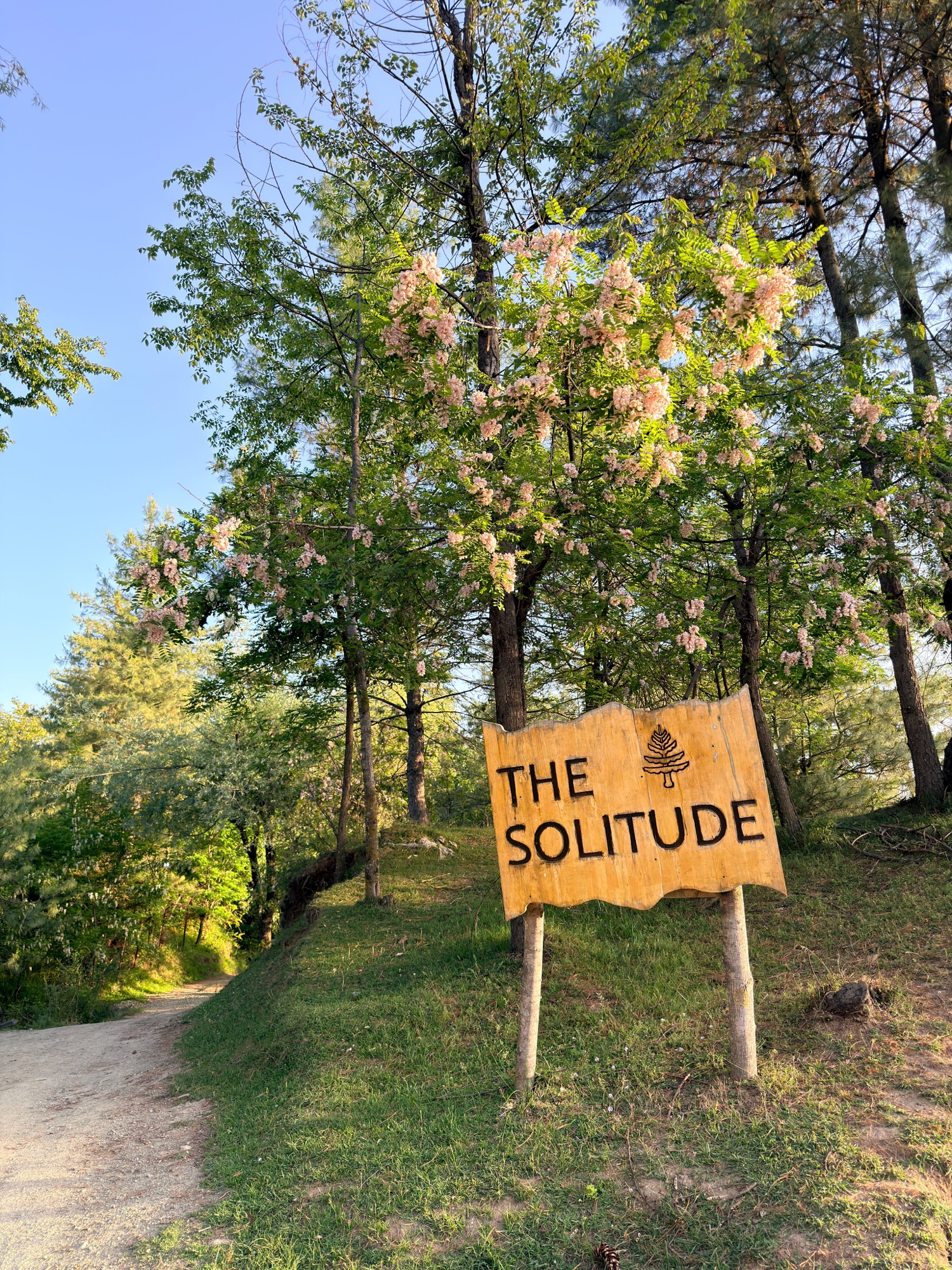 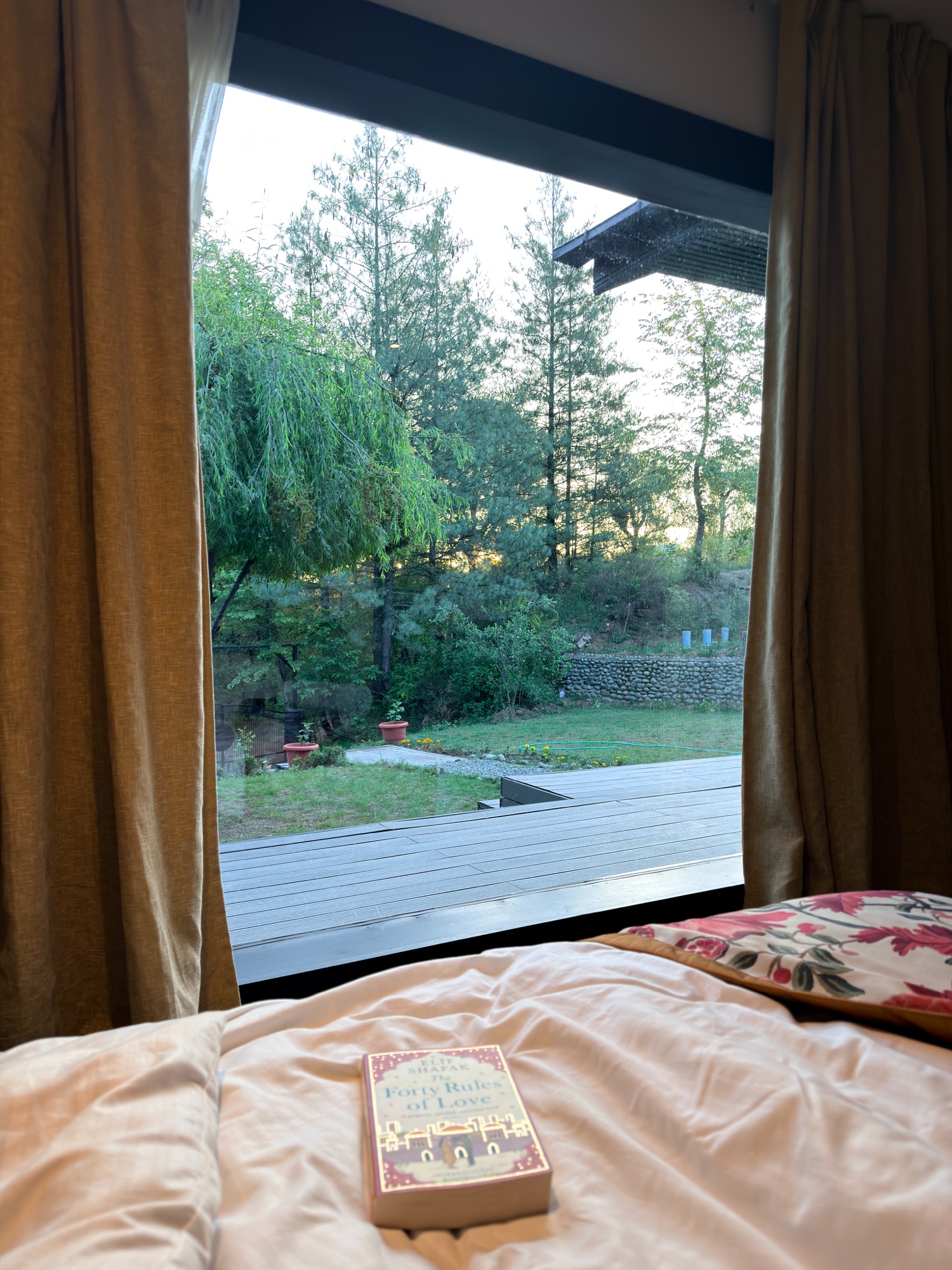 A trail through the woods led to the cottage, and a brook ran alongside it.
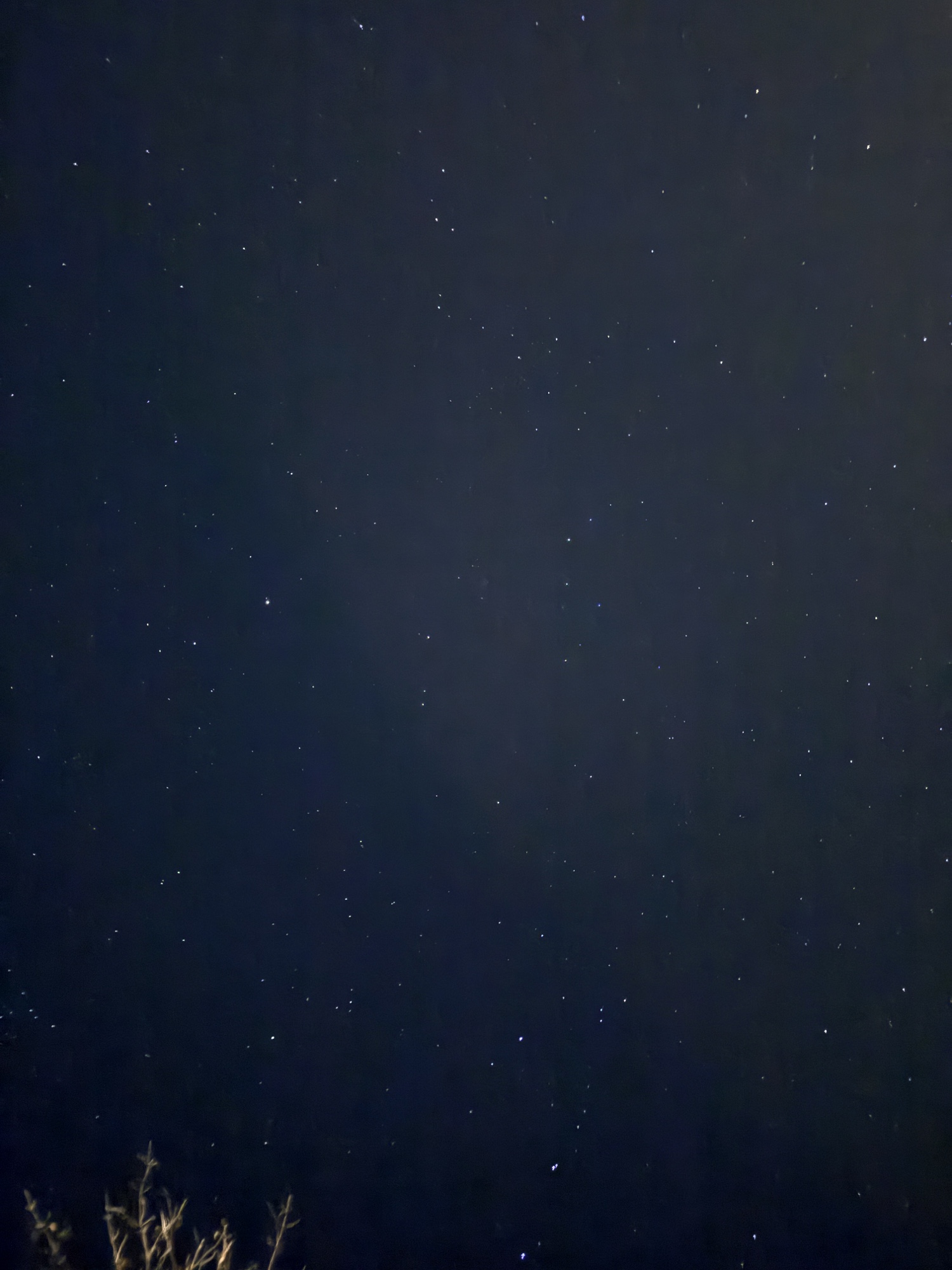
 Spent the evening by the stream with a cup of kahwa. The sky was filled with stars, and the sound of flowing water was therapeutic.
  The next morning, I rode up to Gulmarg through the Kail forests.
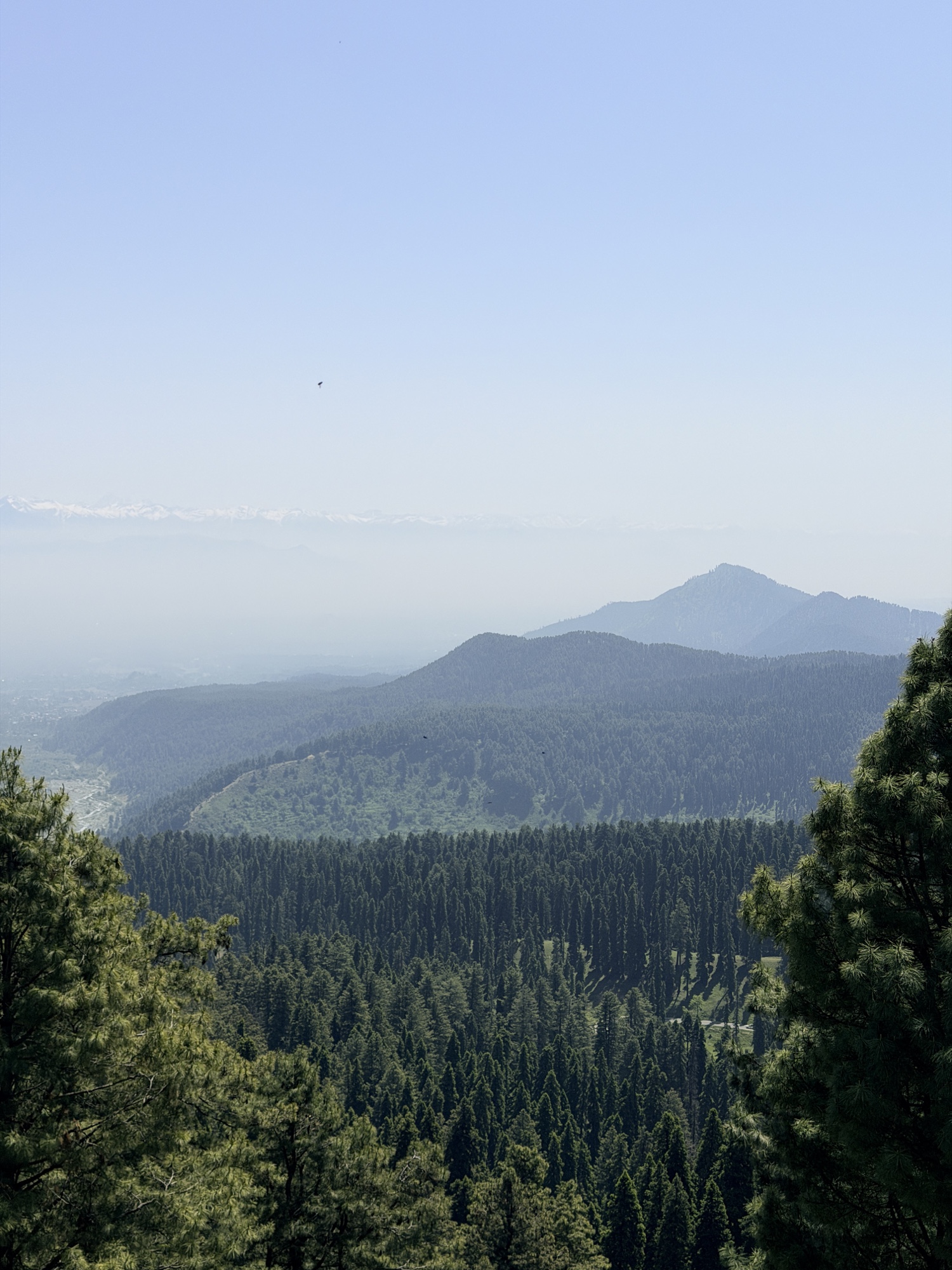  Took the first leg of the Gulmarg gondola to Kongdori.
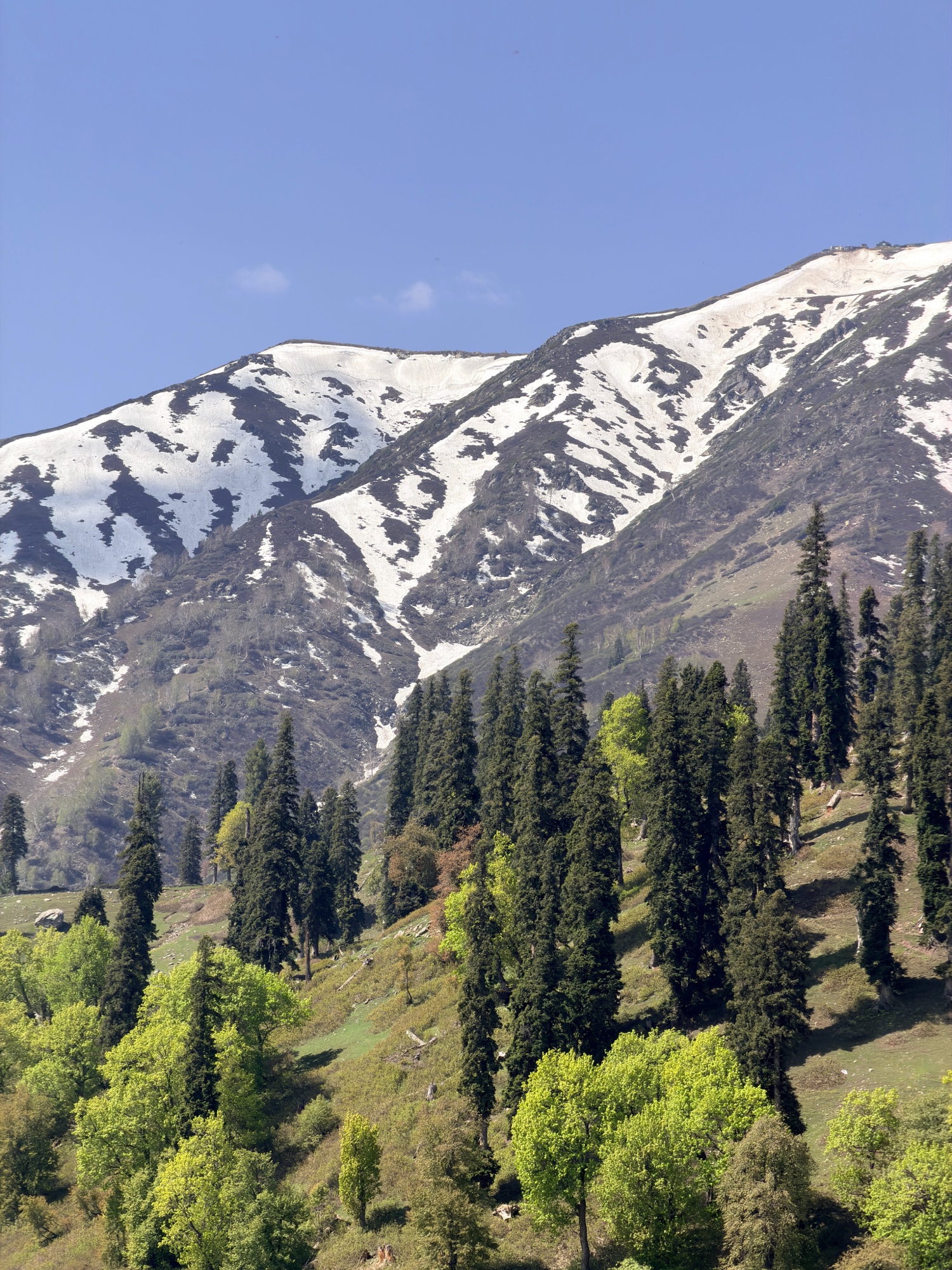
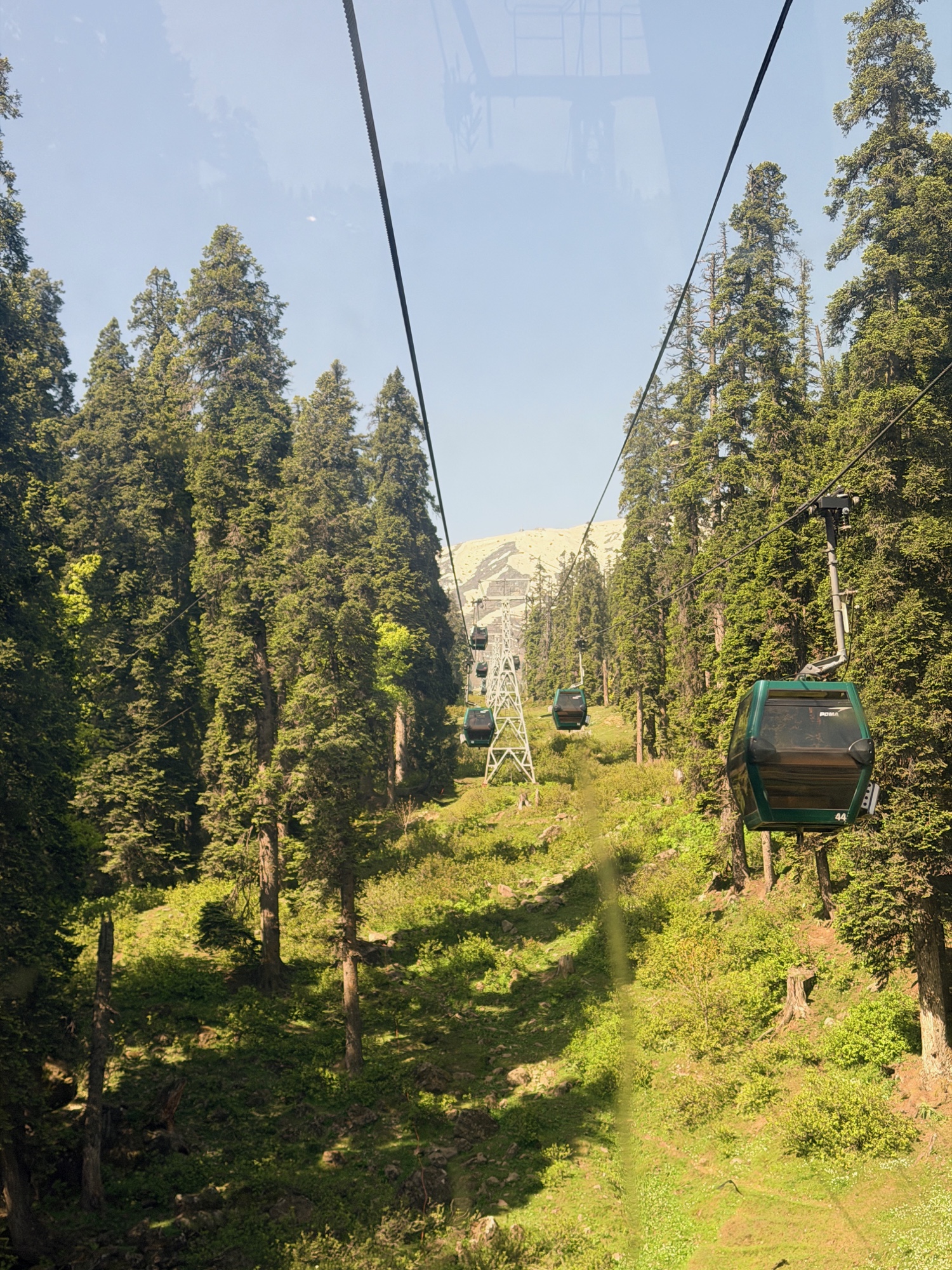 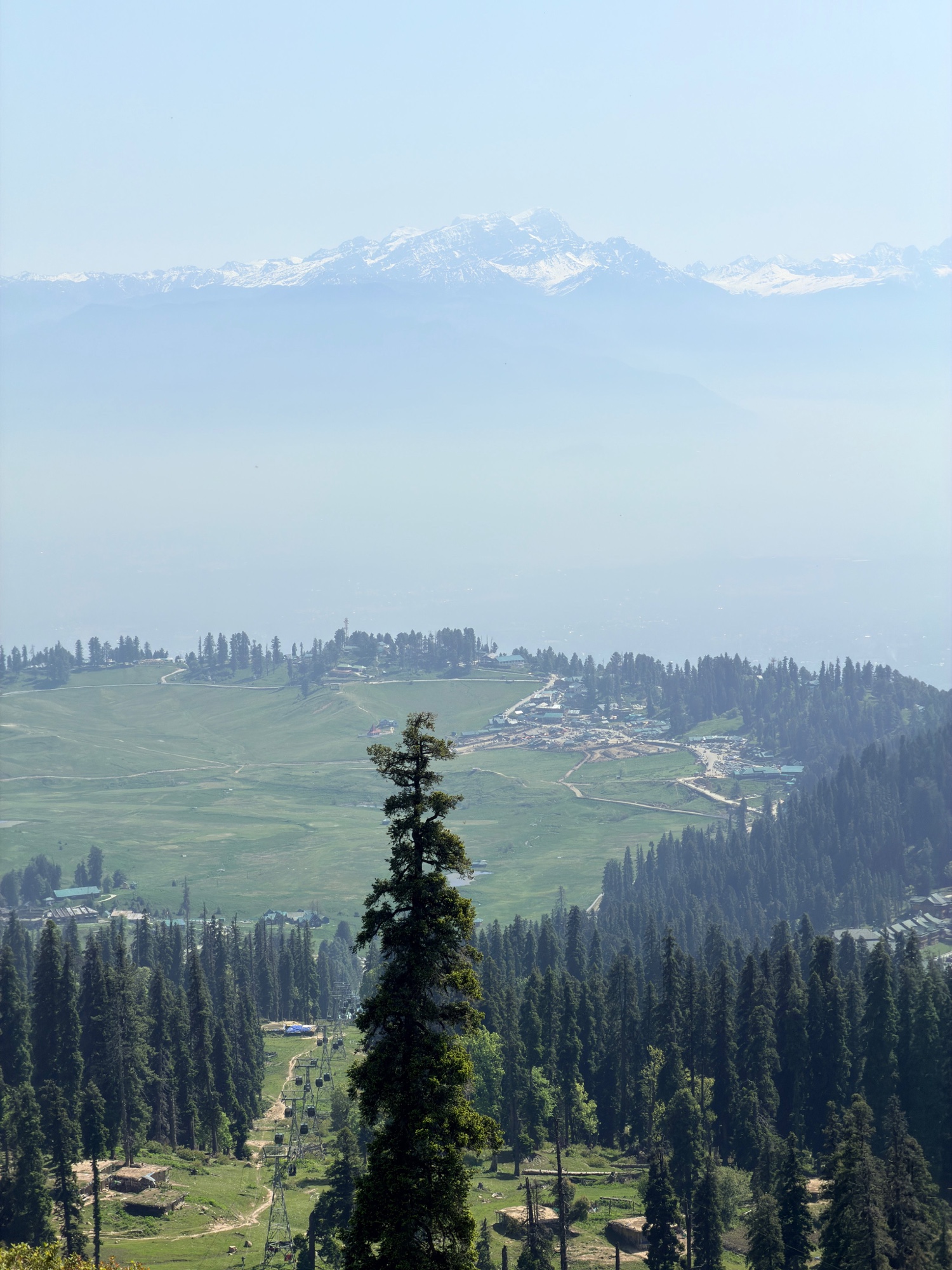 Stunning views in every direction.
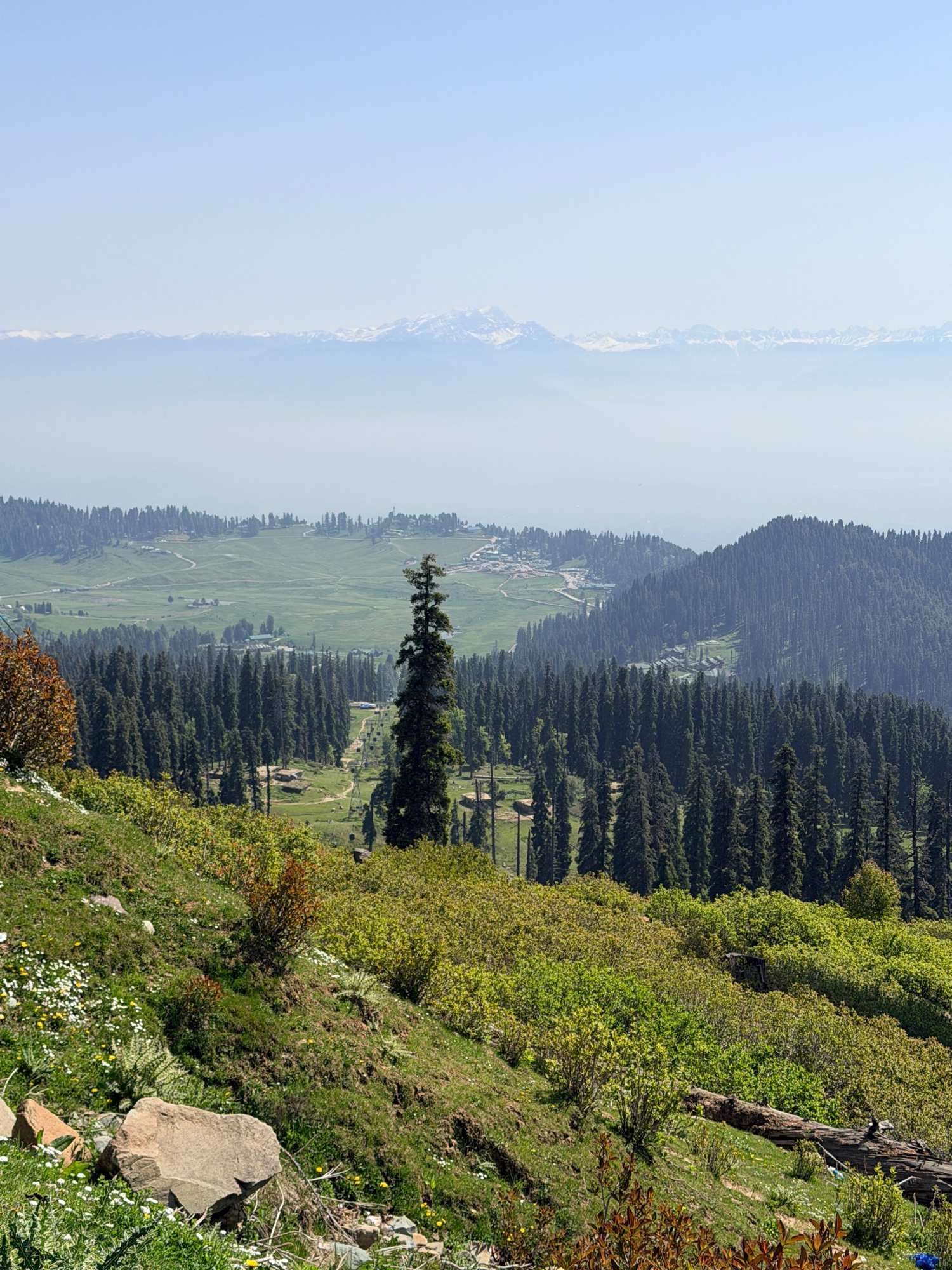 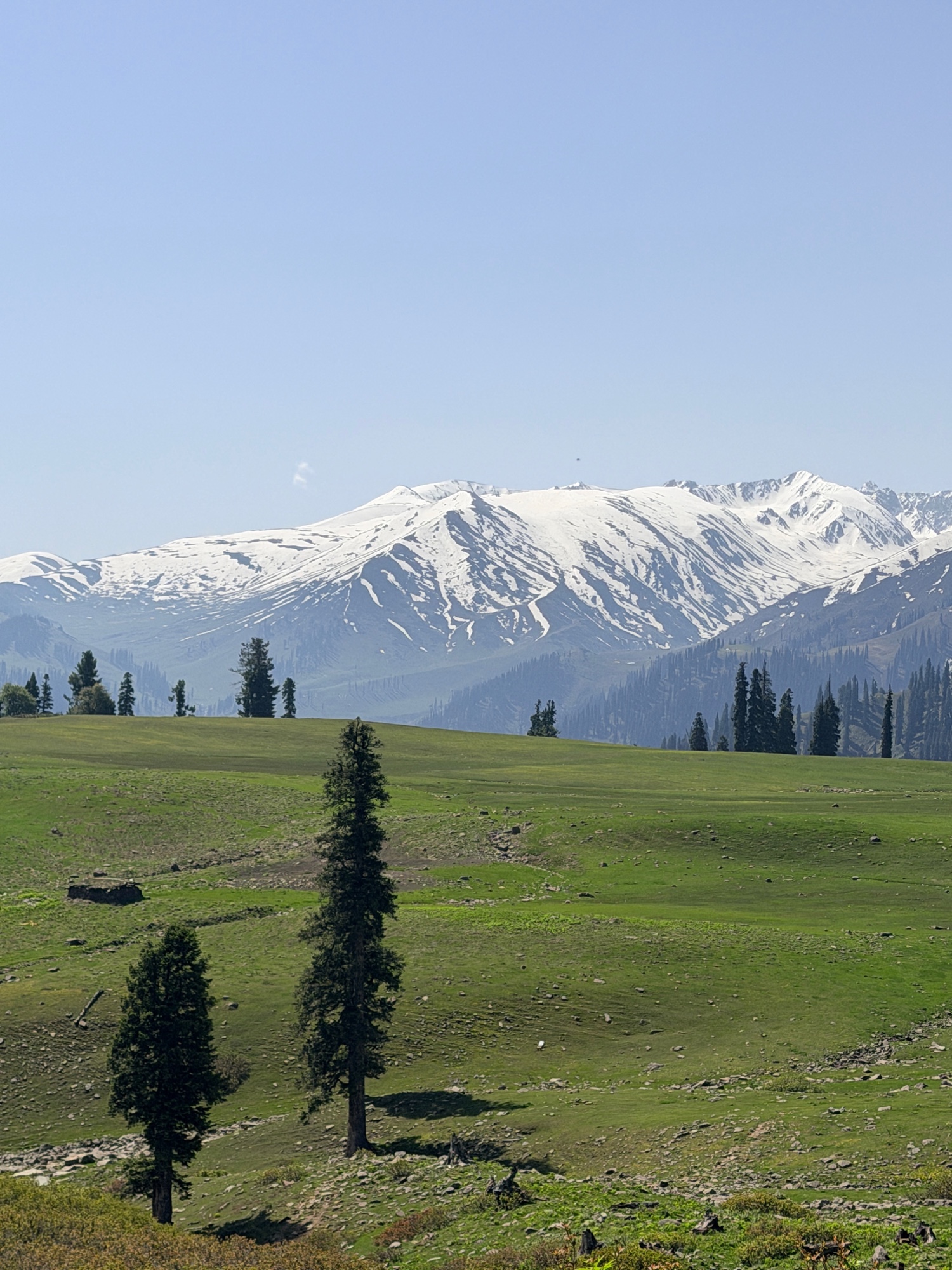  The second leg, which climbs towards Apharwat Peak, is often sold out weeks in advance.
  Rode through Sopore and Bandipore before climbing towards Razdan Pass (also Razdan Top).
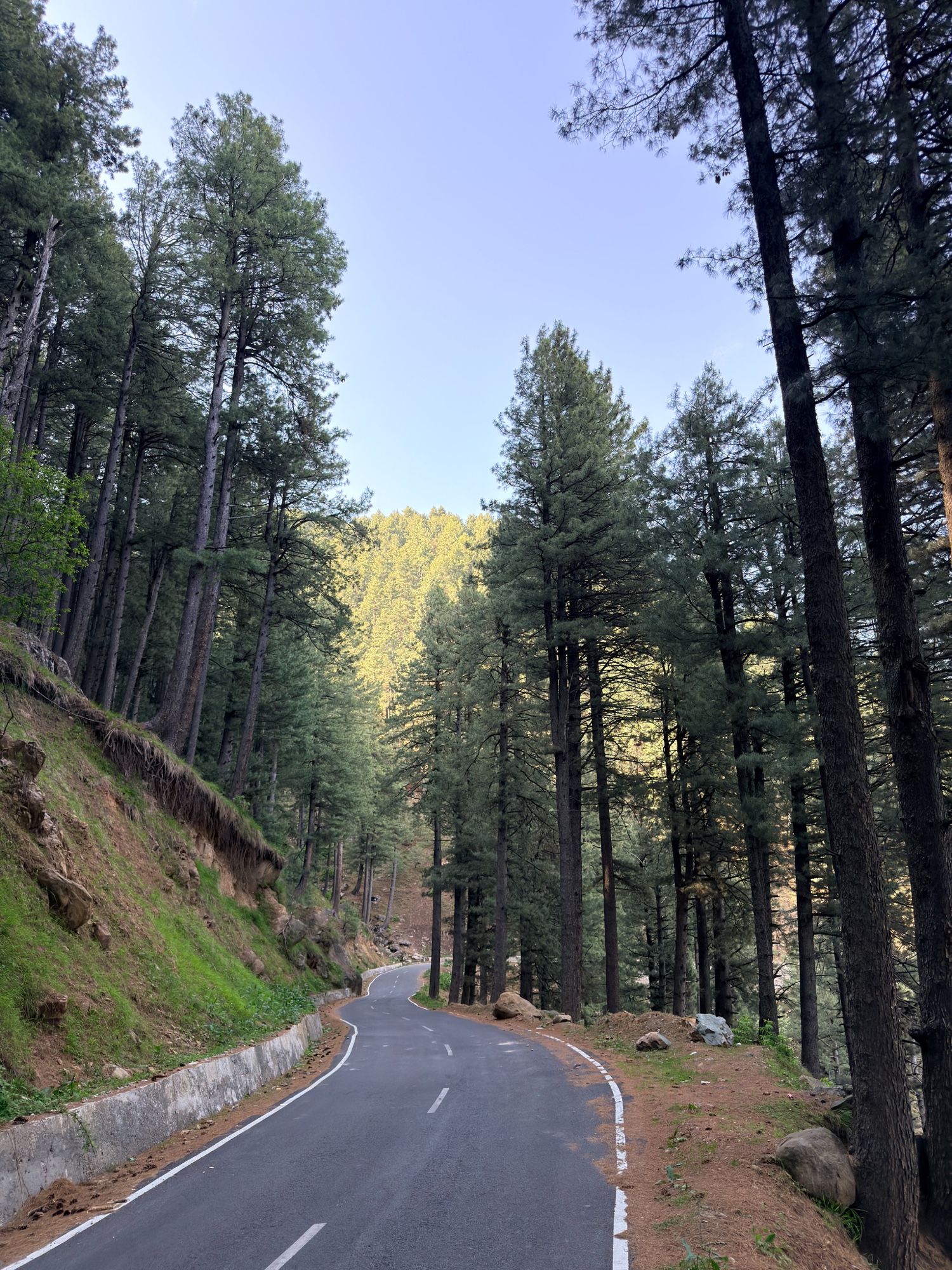 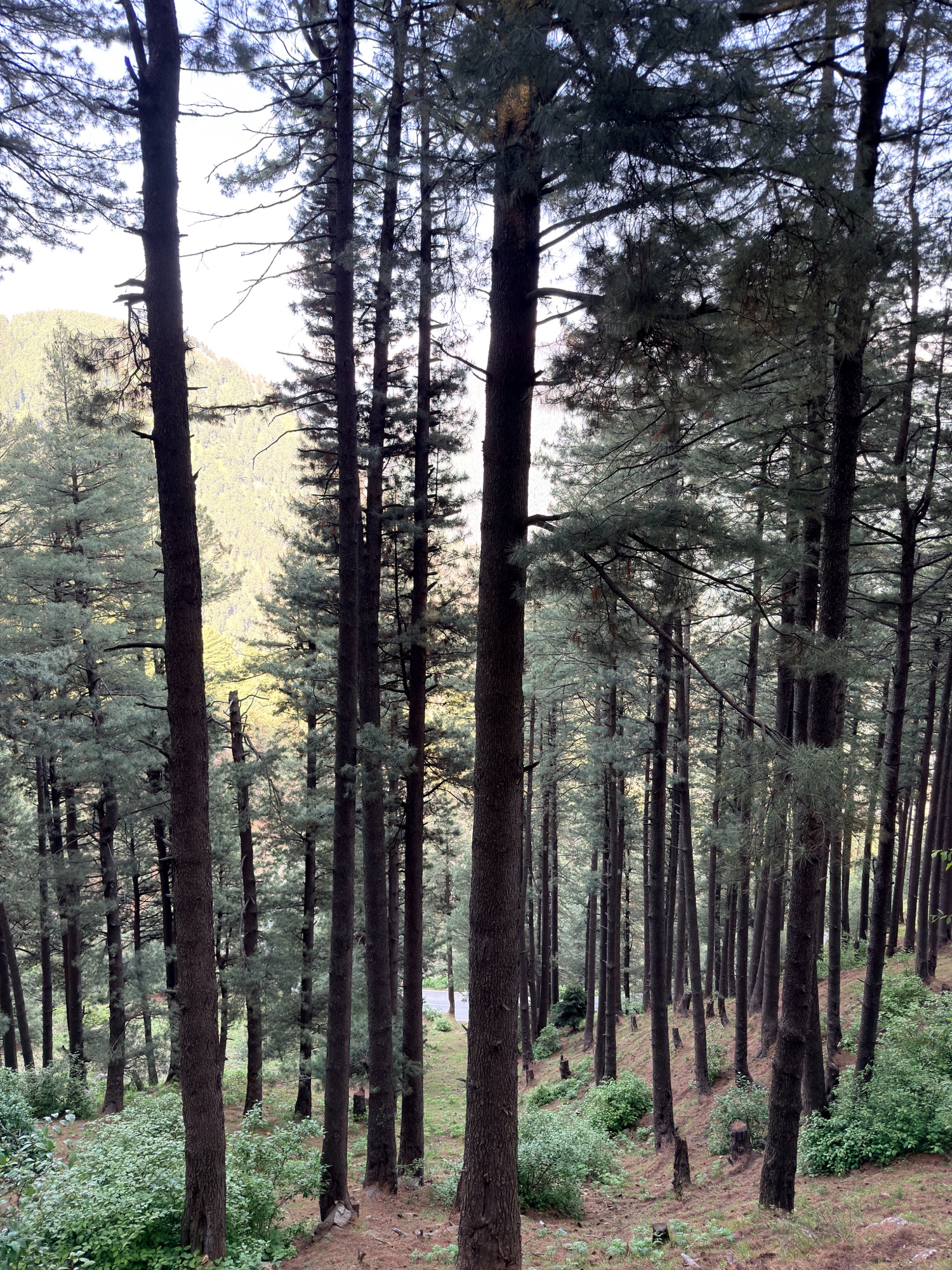 At Razdan Pass, the Harmukh range dominated the horizon.
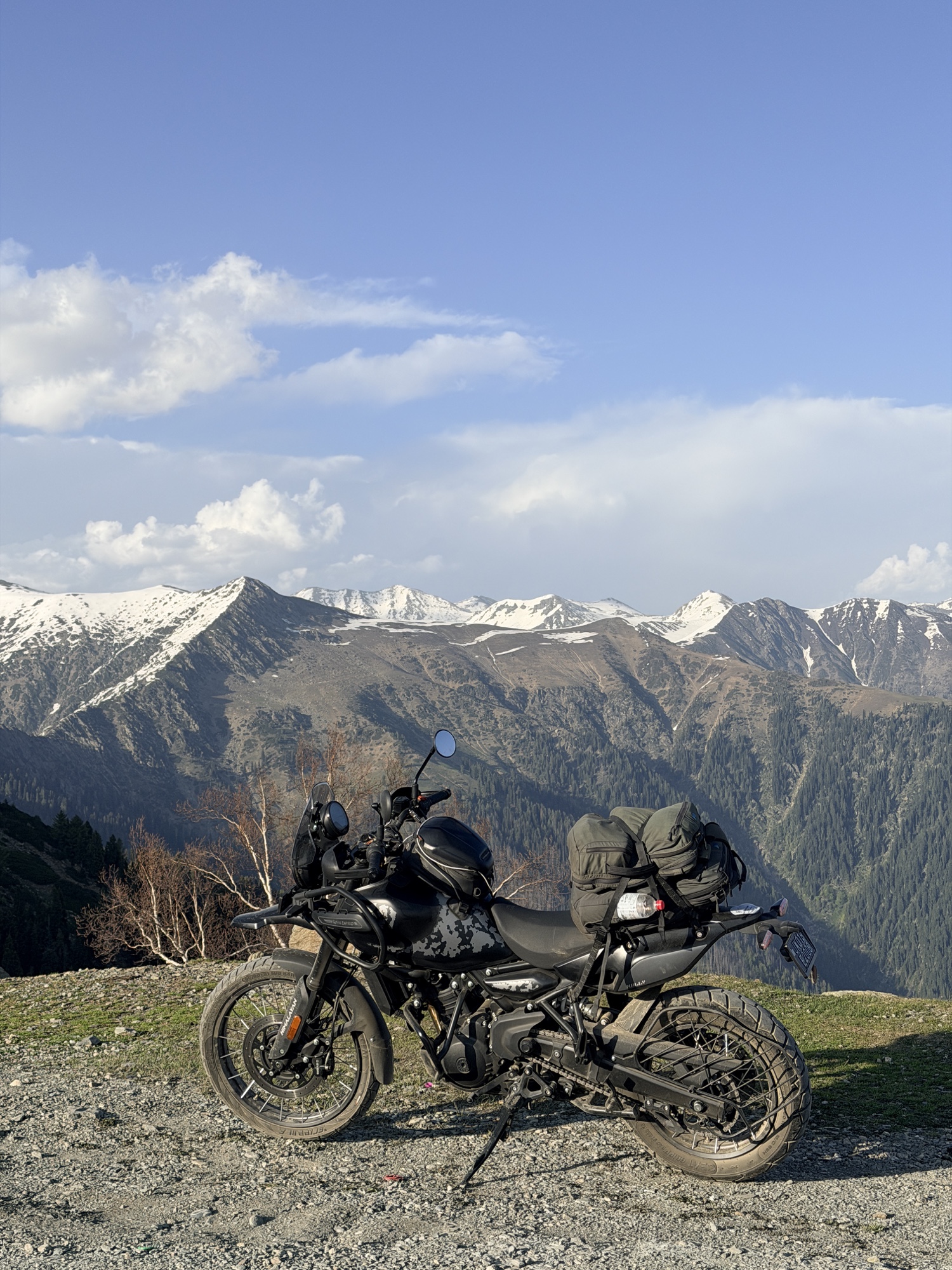 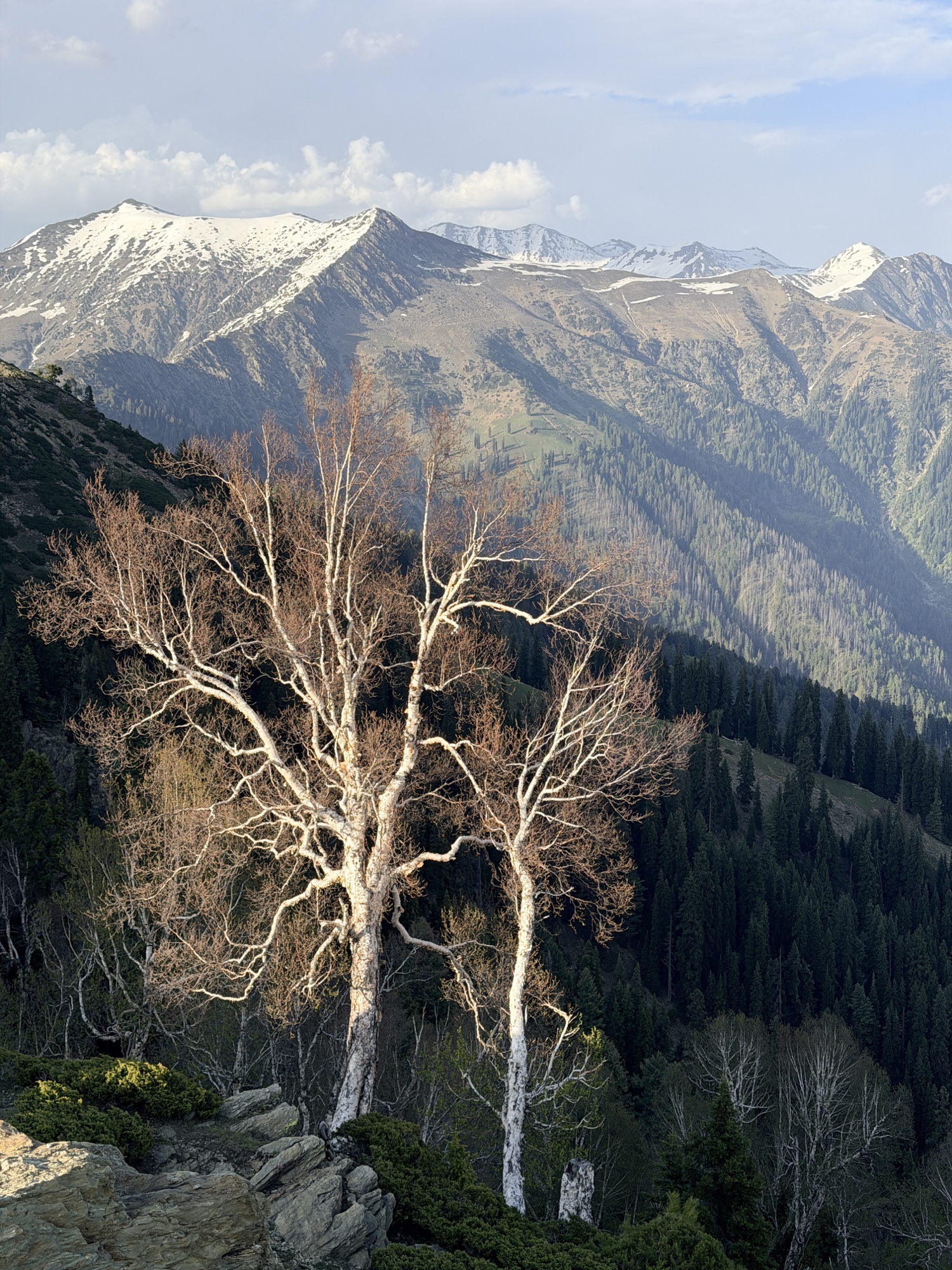 Sat there for over an hour looking at the mountains. They have a remarkable ability to make you stop doing things.
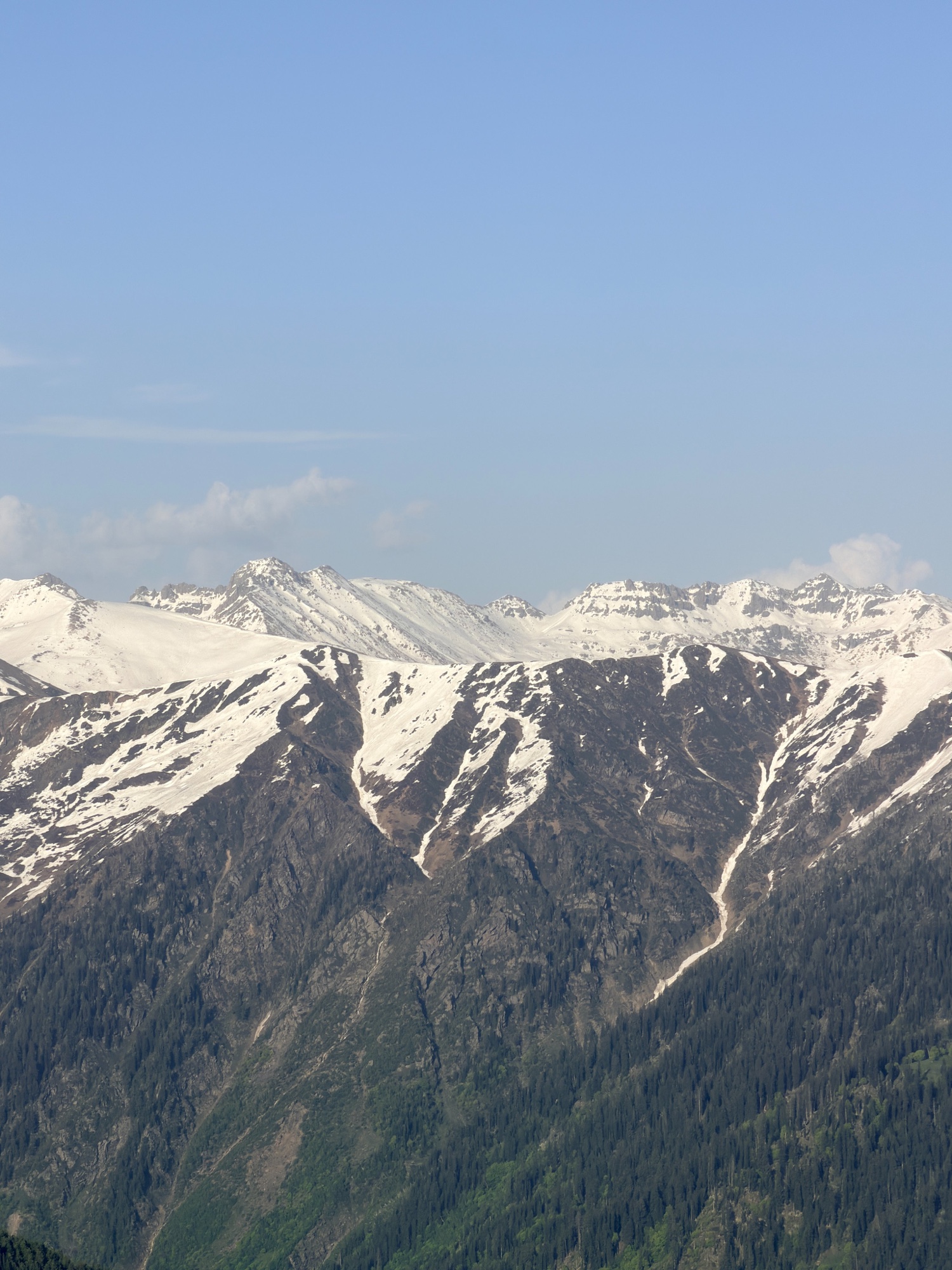 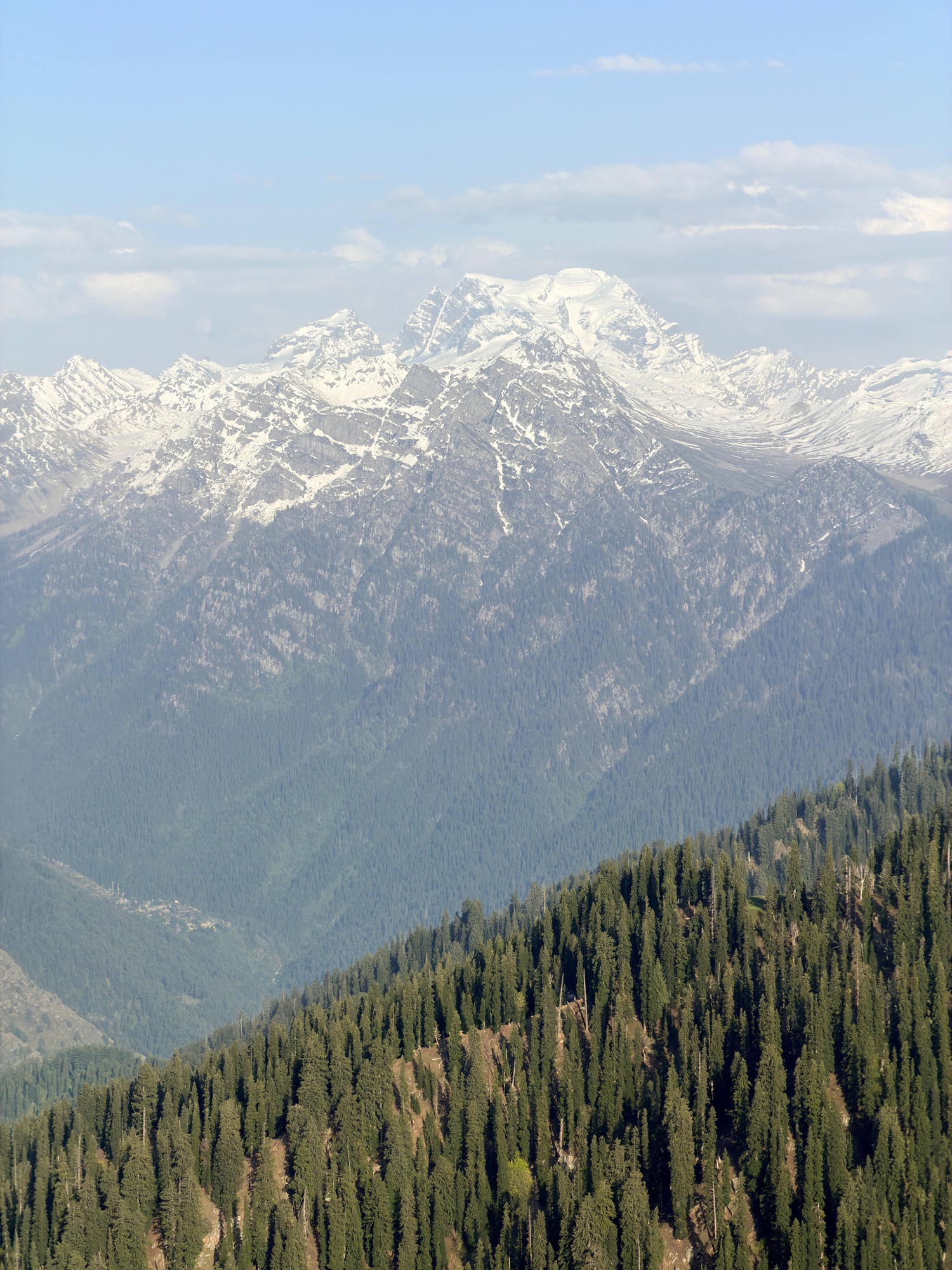 Descended into Gurez Valley on the other side. It remains one of the less-visited corners of Kashmir. Snowmelt from the surrounding glaciers feeds streams that eventually join the Kishanganga River.
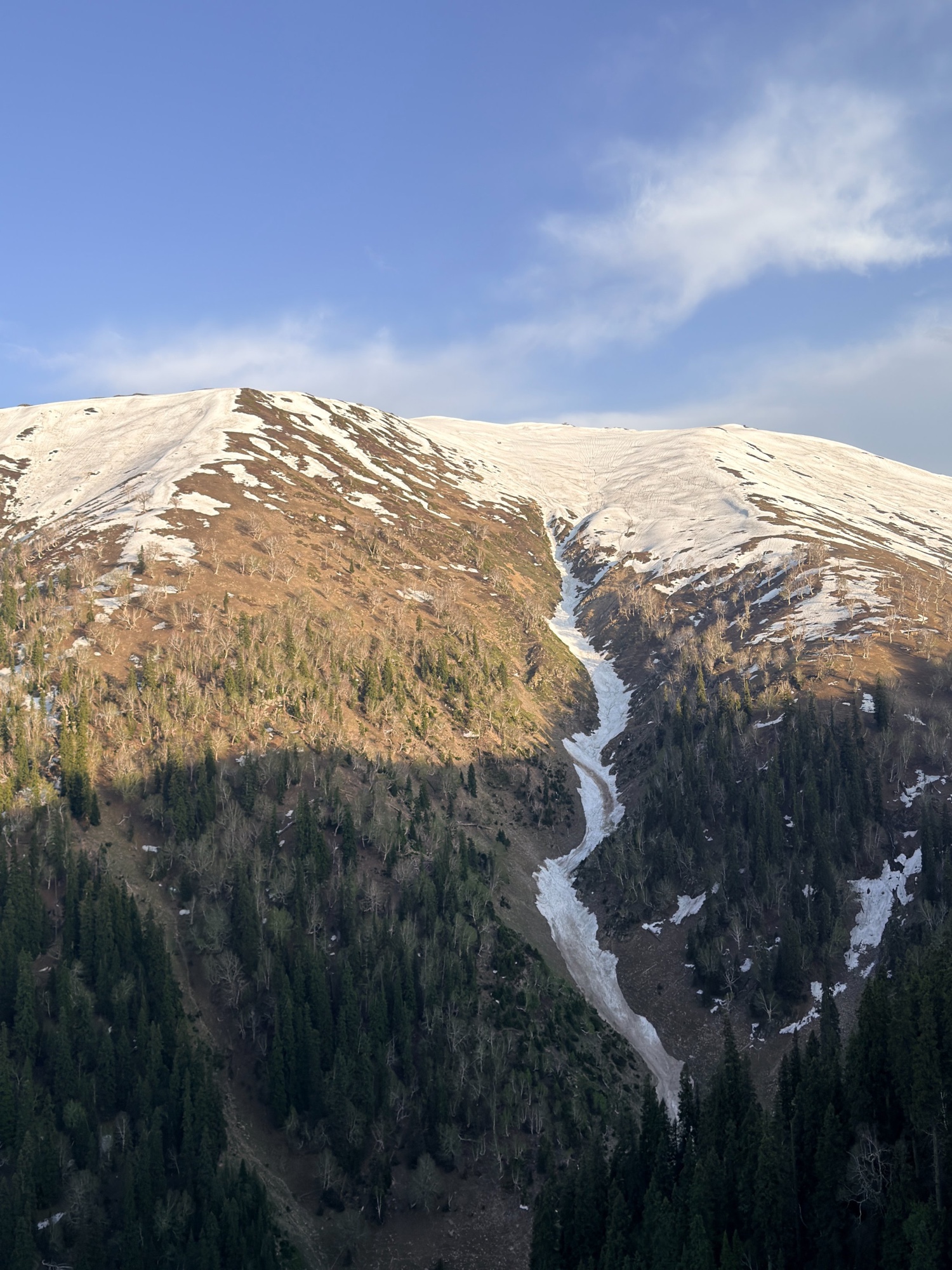 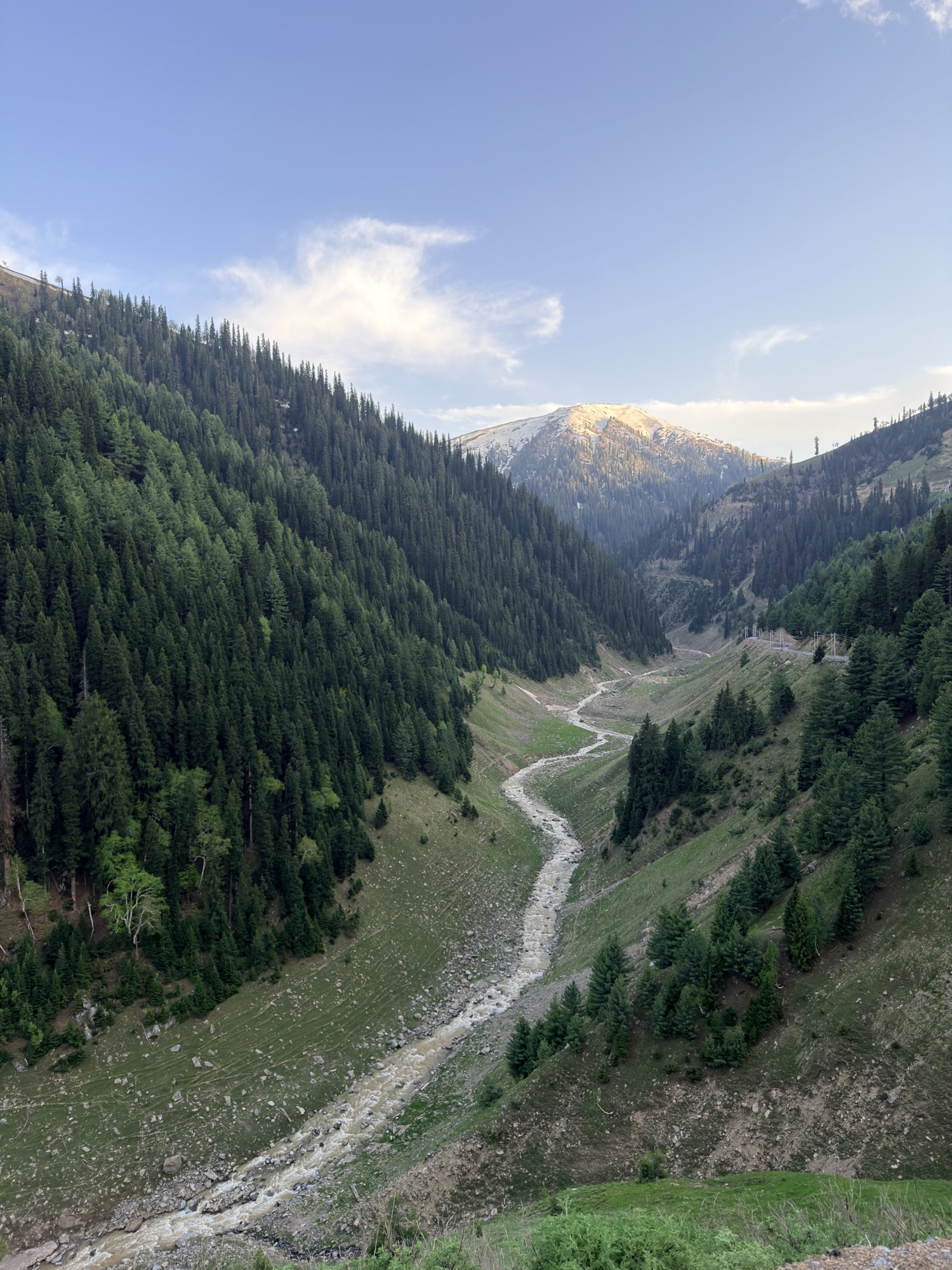 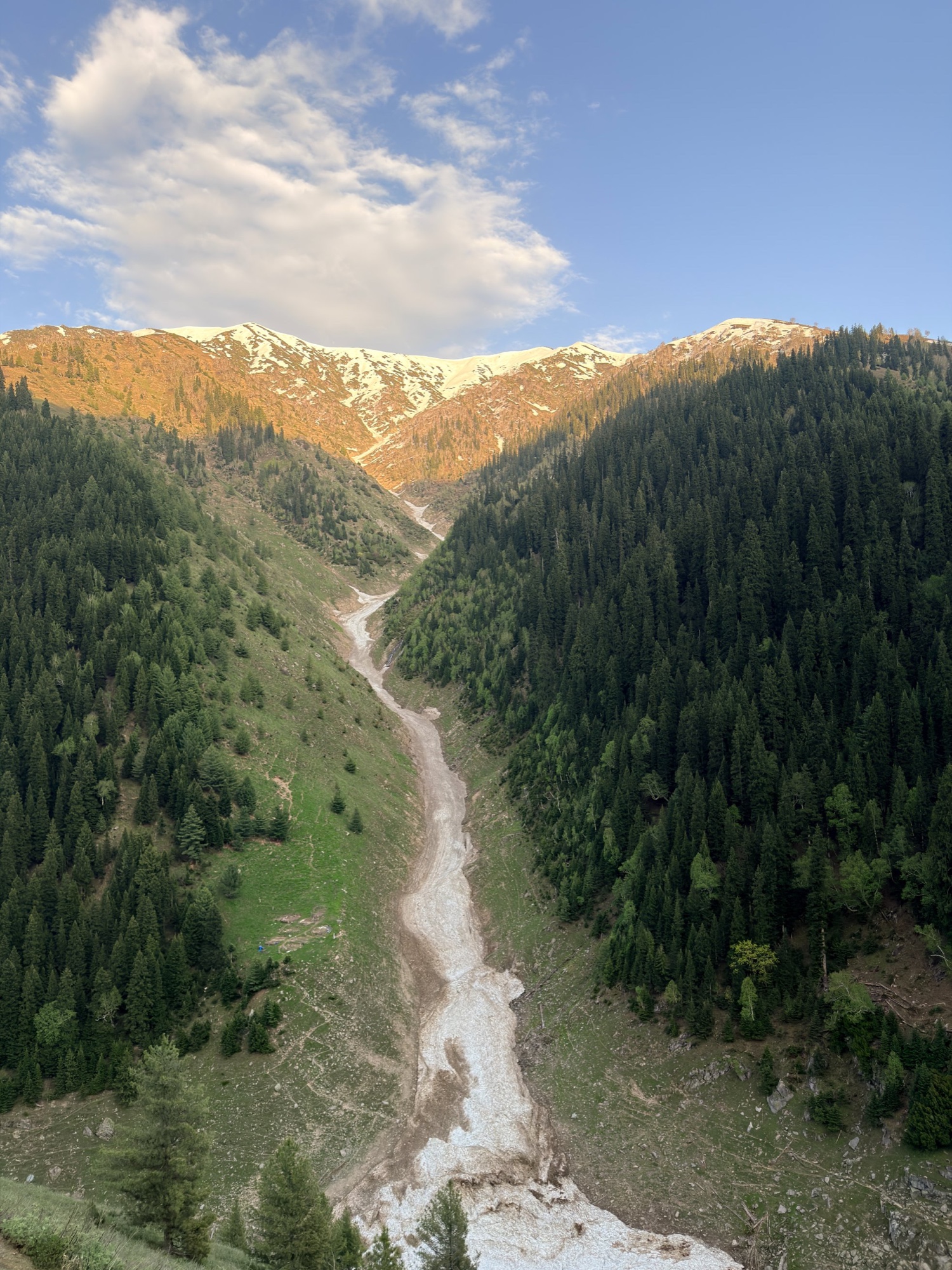 The road wound down towards Dawar, tracing the course of the Kishanganga River through the valley. Spent the night in Dawar.
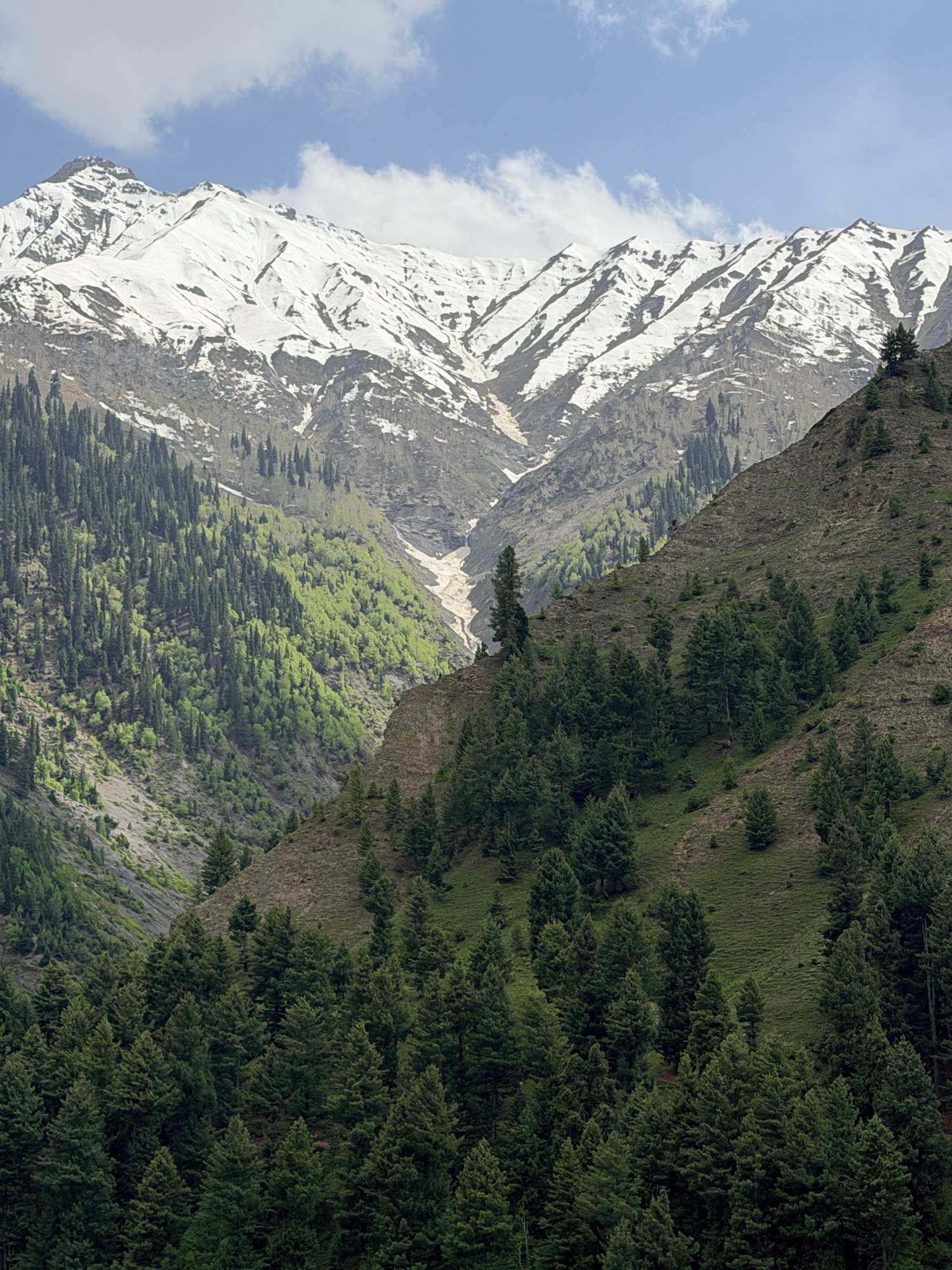
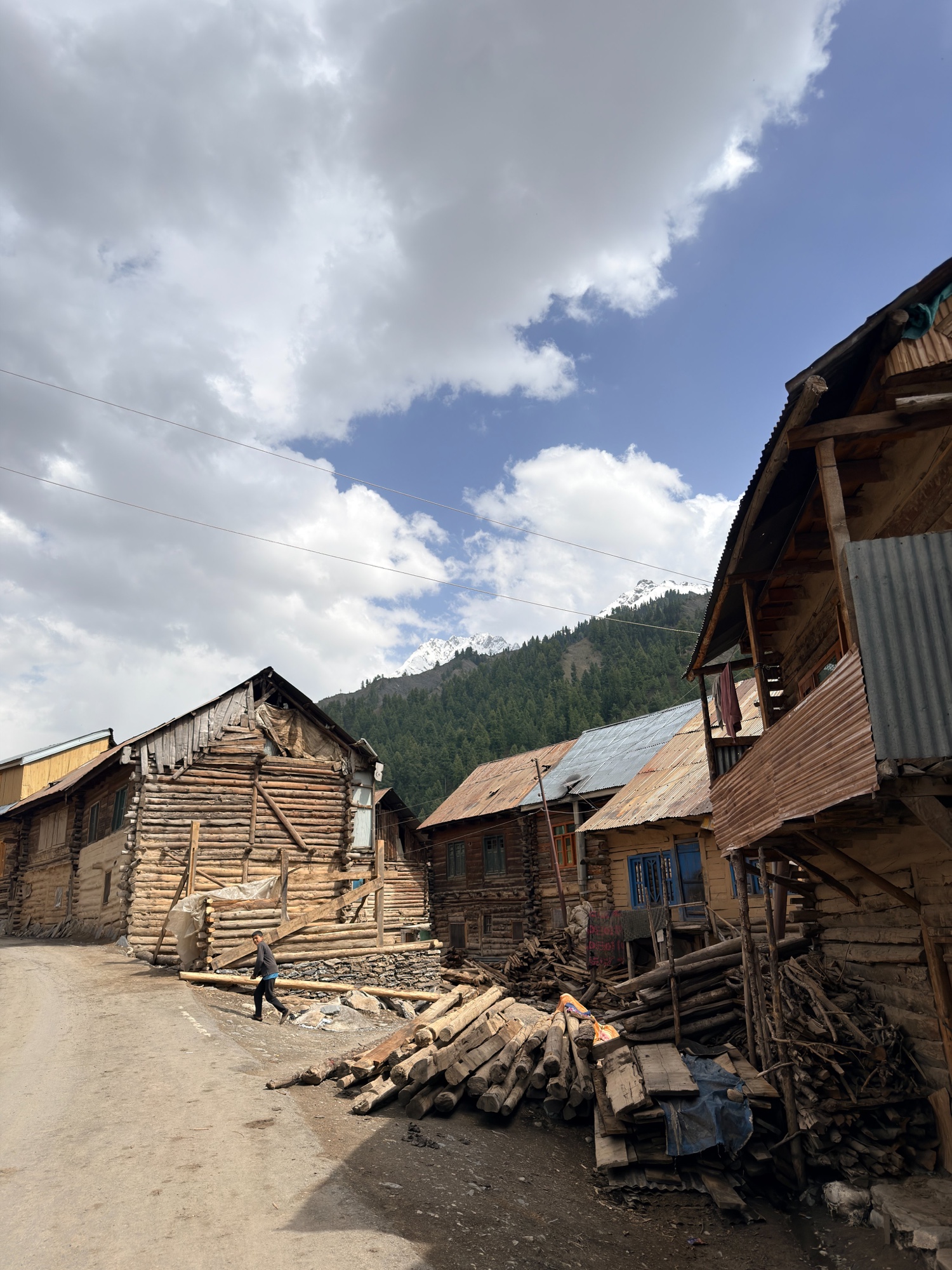
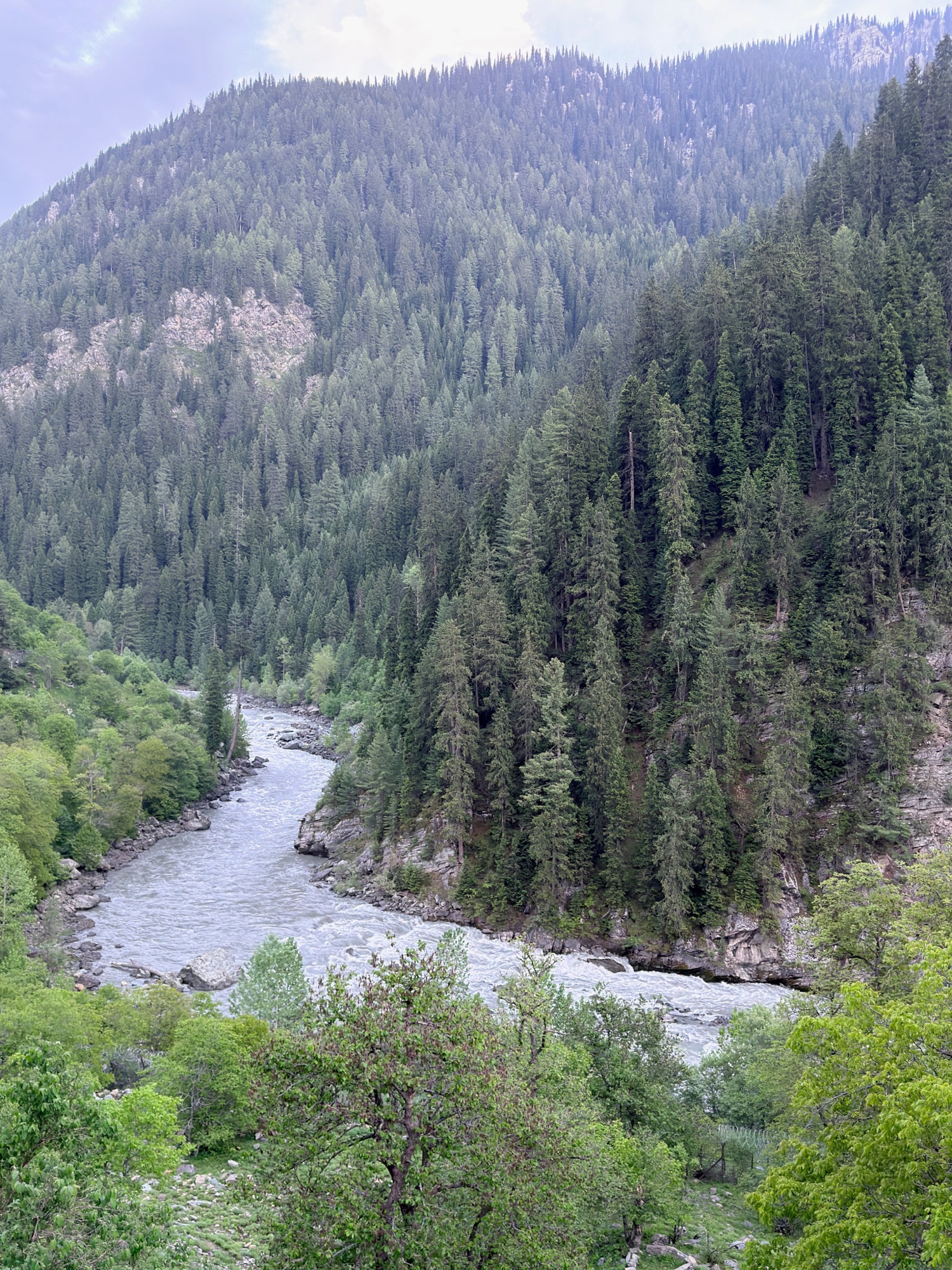 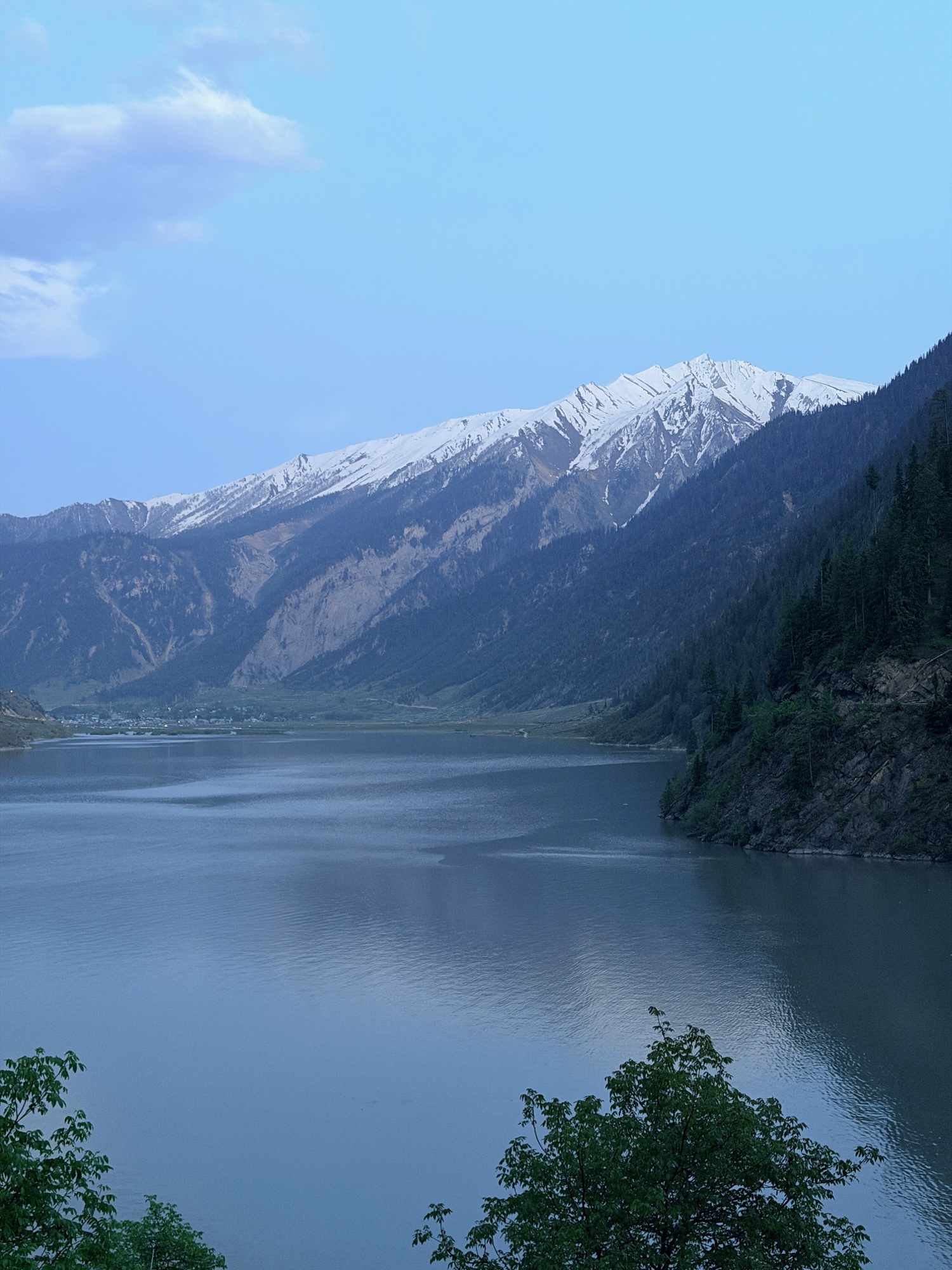 The next morning, I continued deeper into Tulail Valley. Habba Khatoon Peak rose dramatically above the valley floor while clusters of wooden homes with tin roofs clung to the mountainsides.
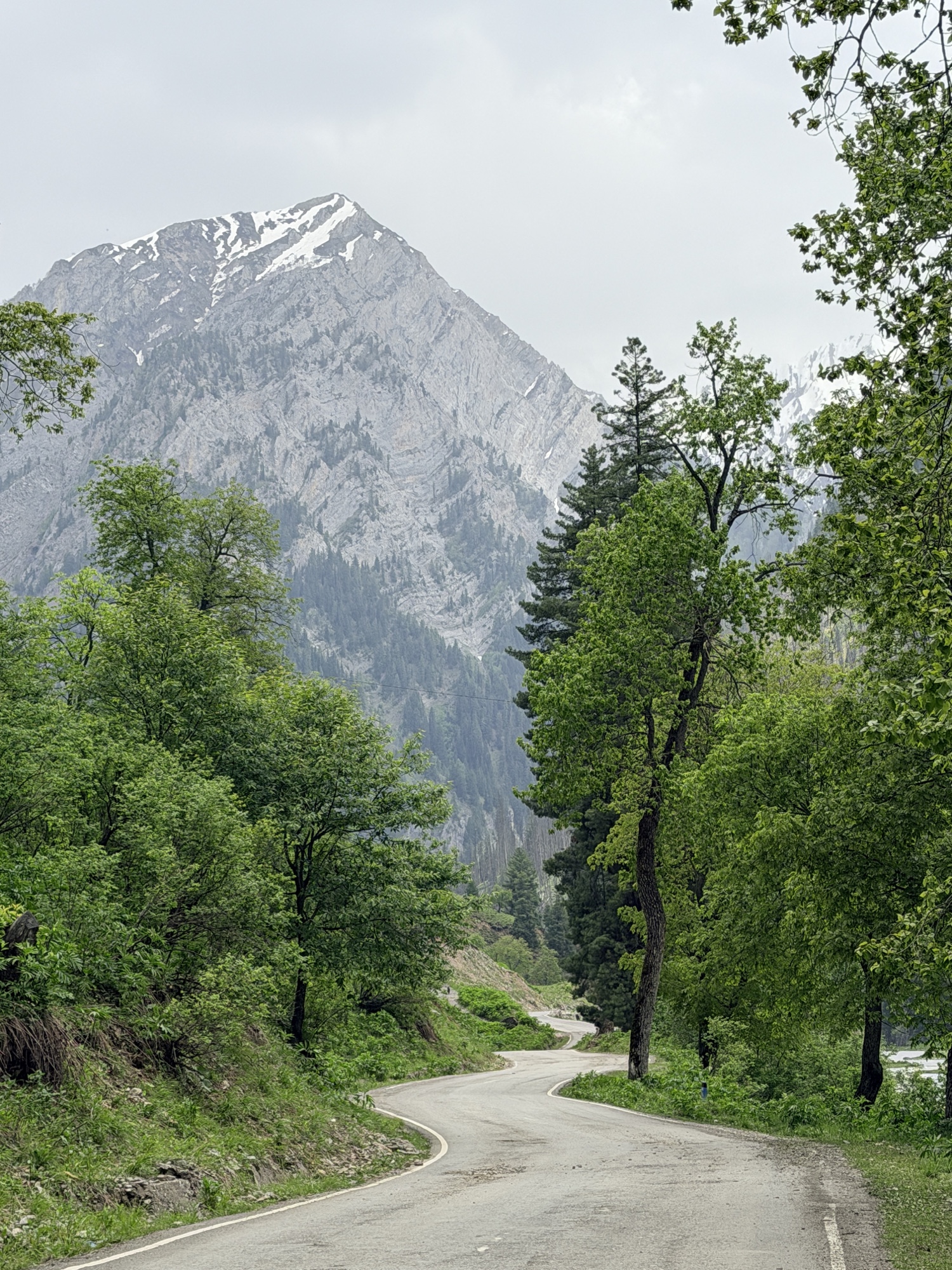 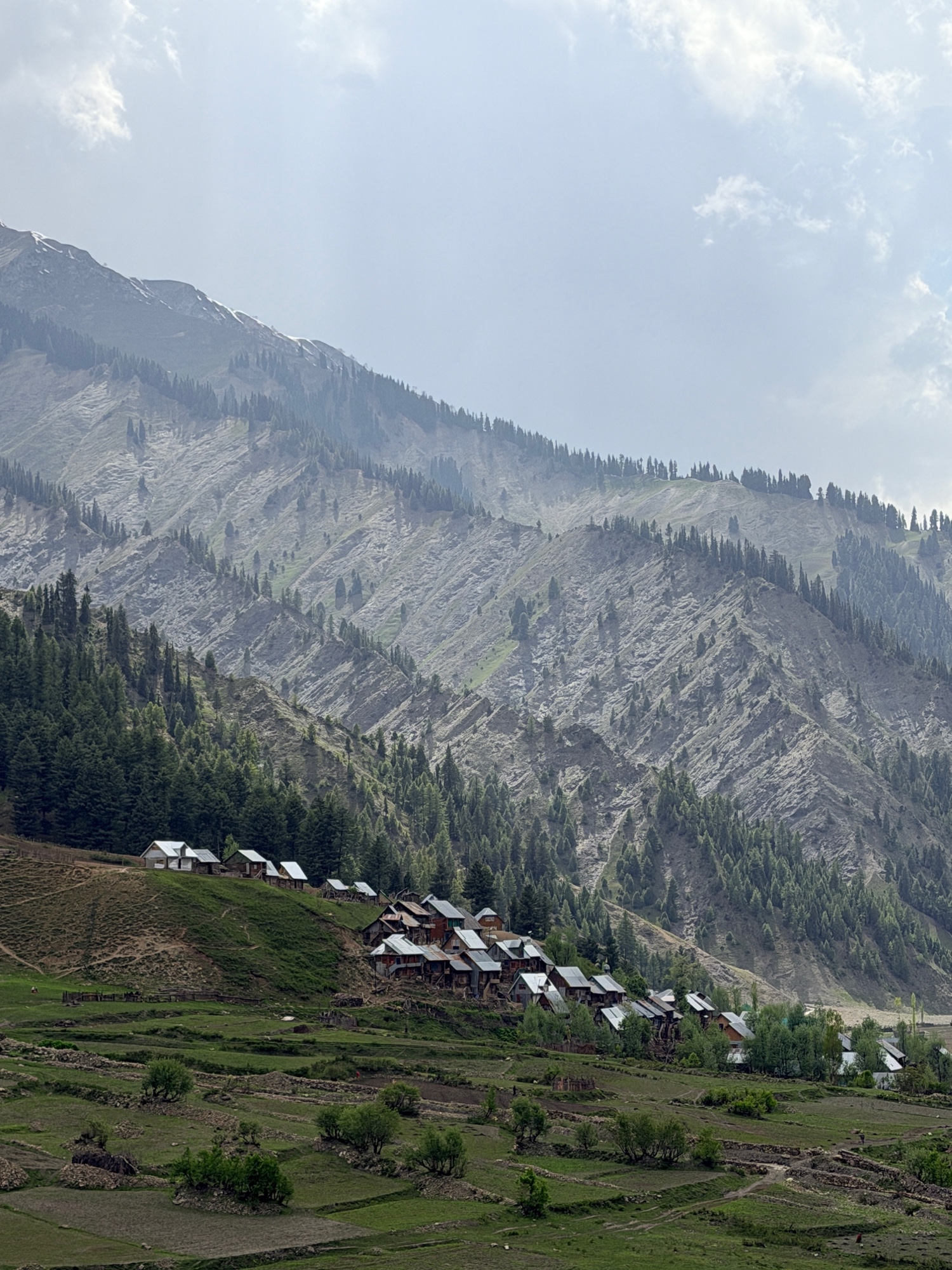 The Harmukh range seemed to follow me through the valley. Every turn revealed another glacier, another snow-fed stream, another view that made me slow down.
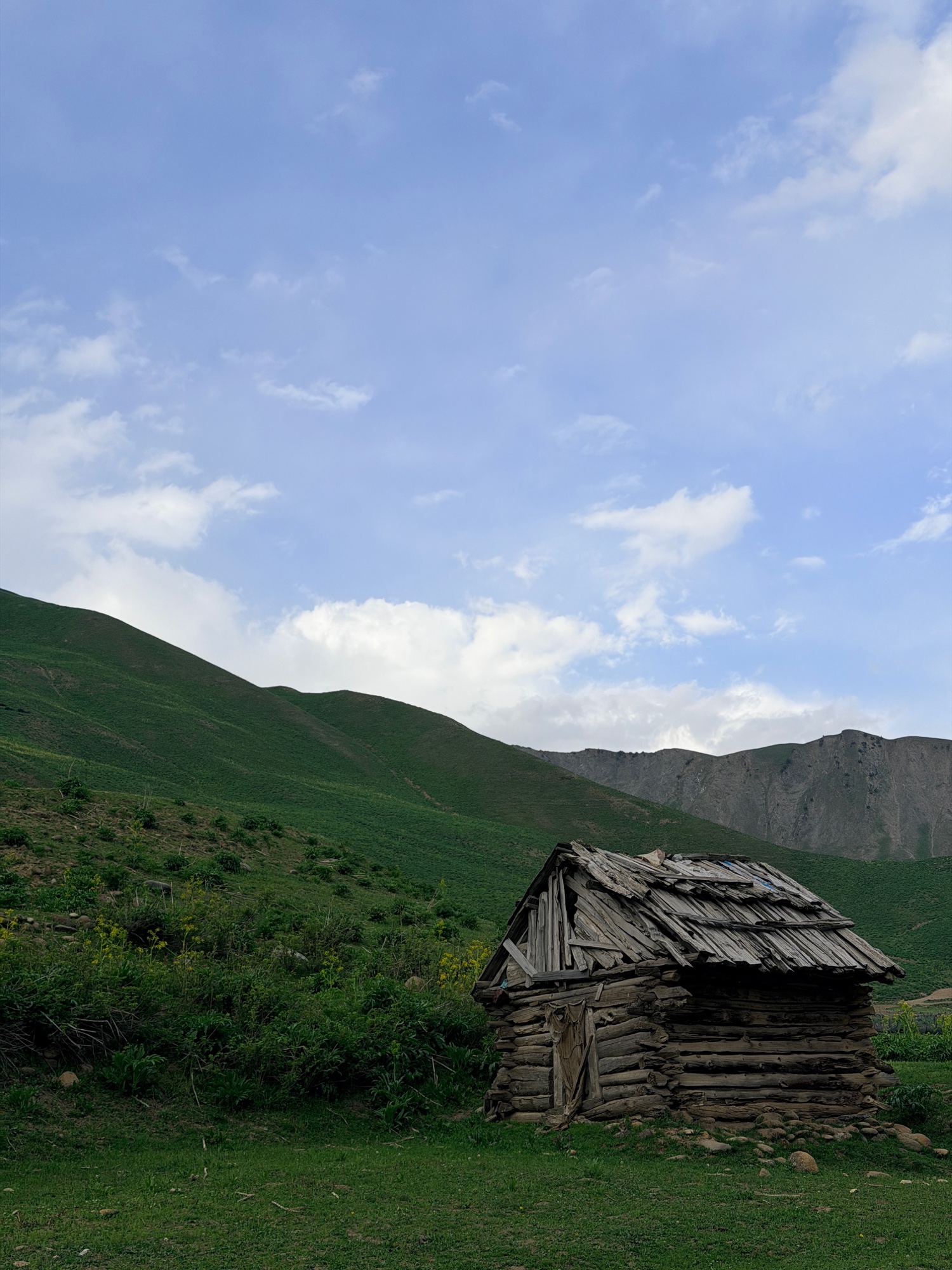
 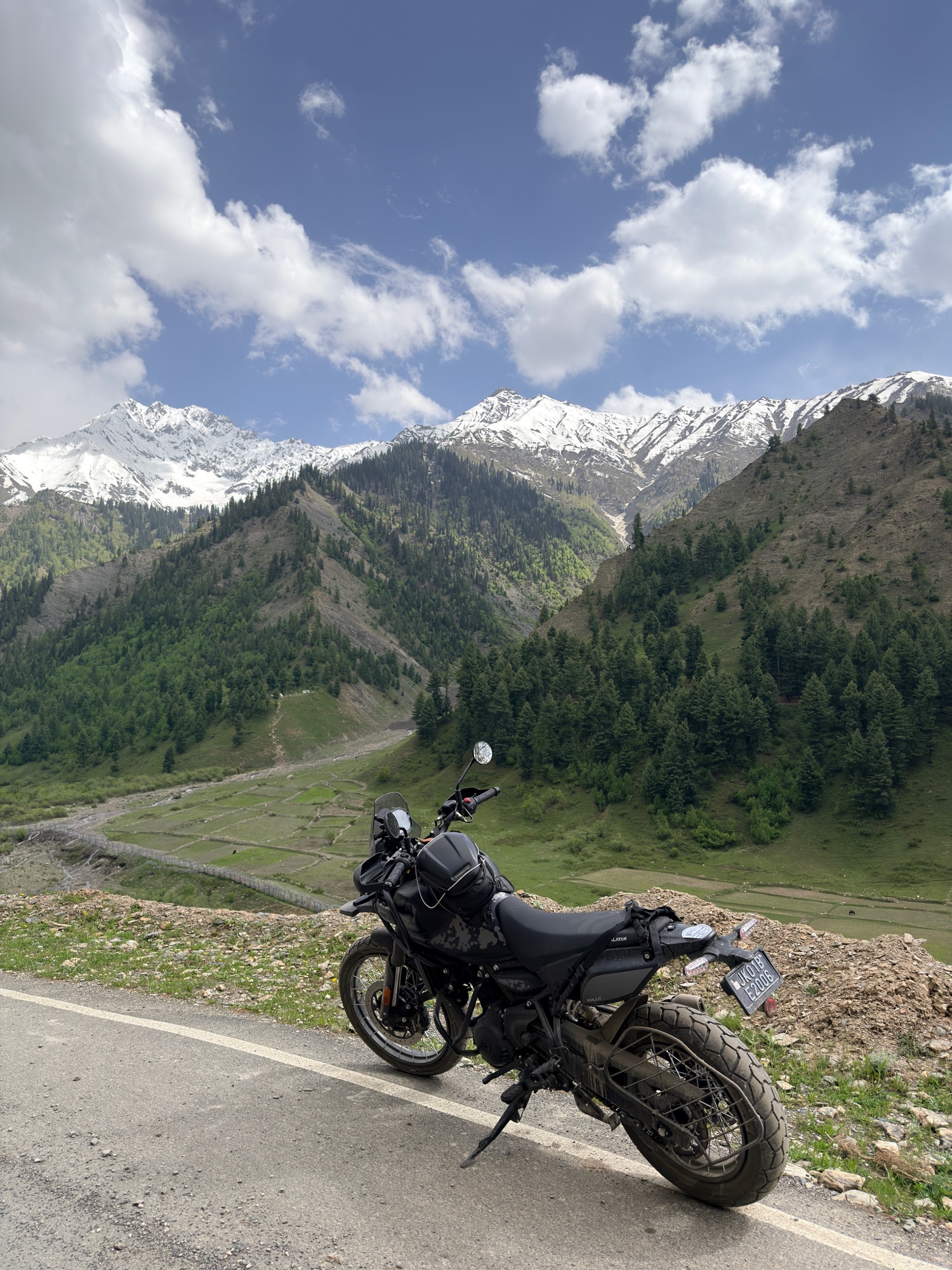 Passed through village after village where timber houses, stacked firewood and grazing livestock seemed perfectly adapted to the long winters.
  Watched young men playing cricket in a meadow surrounded by snow-capped mountains. An ordinary game set against an extraordinary backdrop.
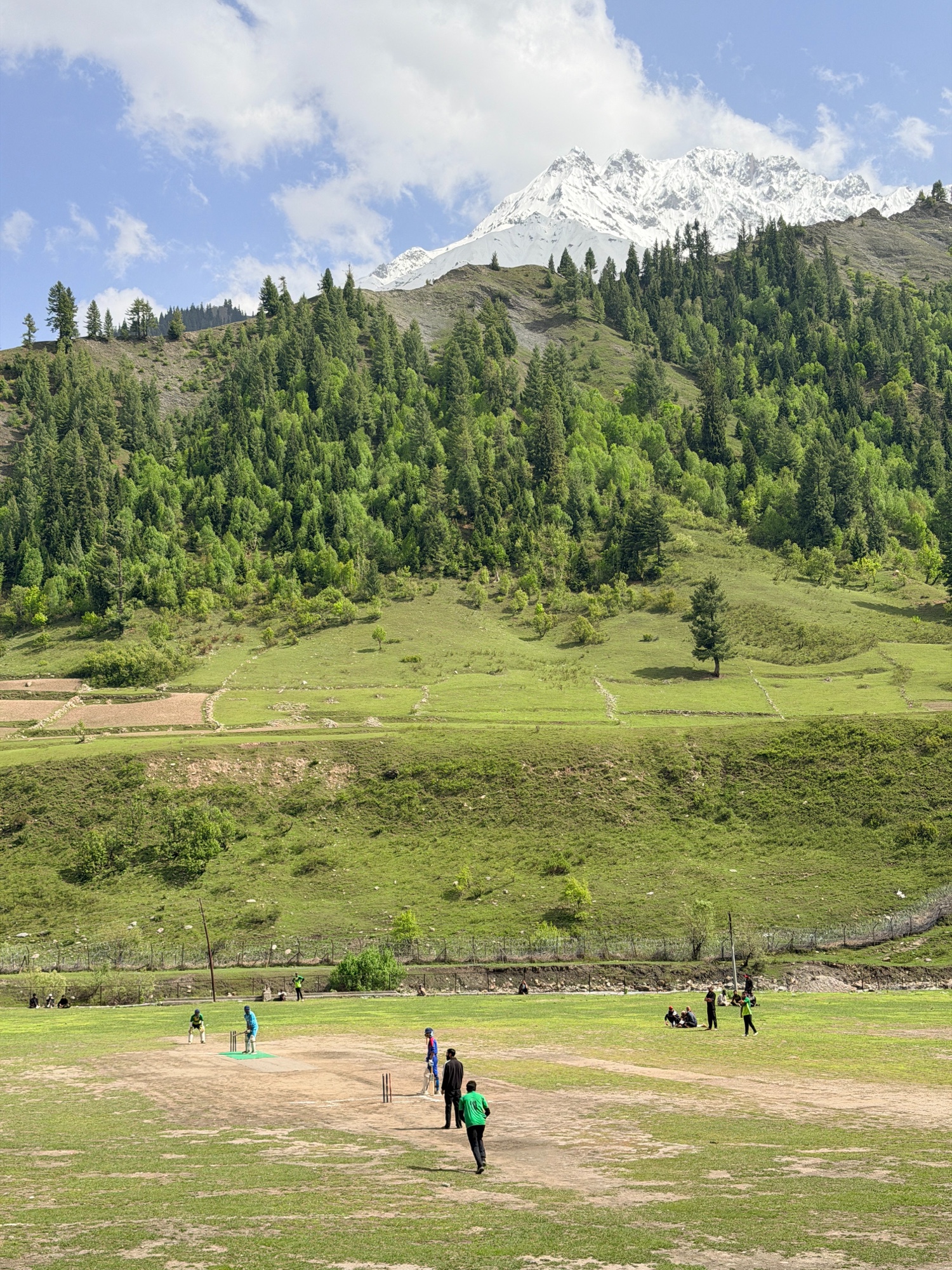 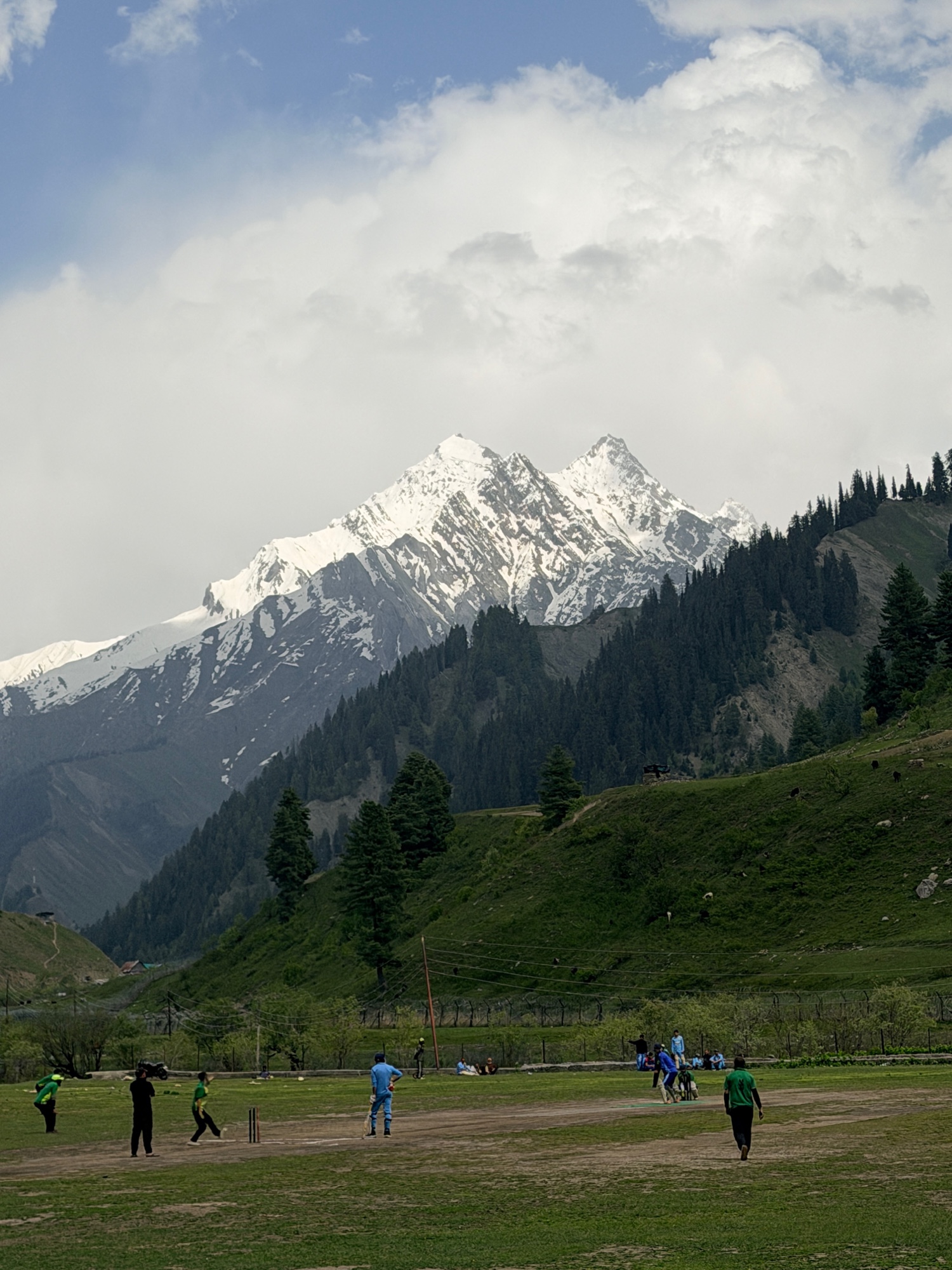 The proximity to the Line of Control means BSF posts, patrols and fencing become part of the landscape throughout Gurez and Tulail valleys.
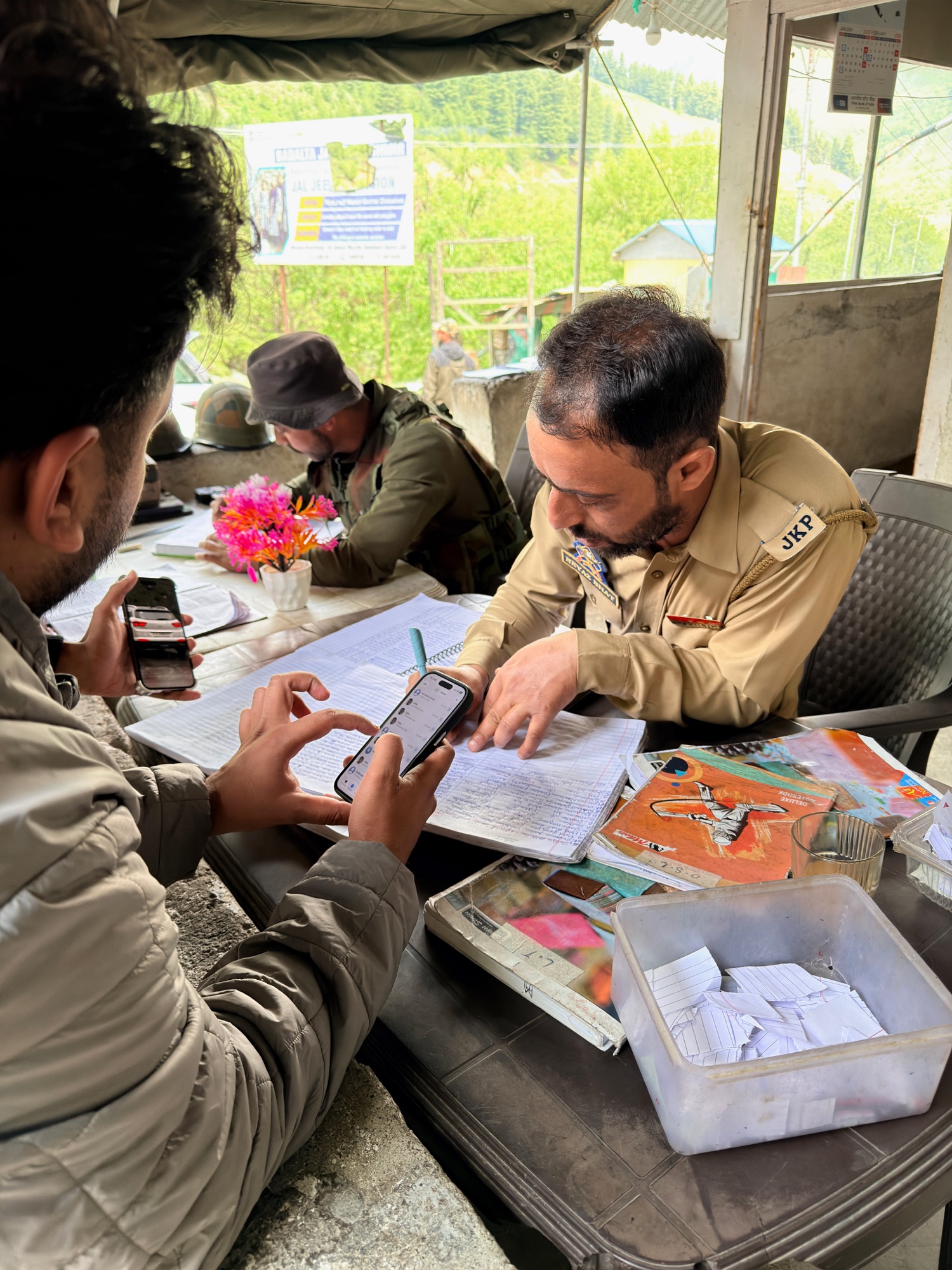 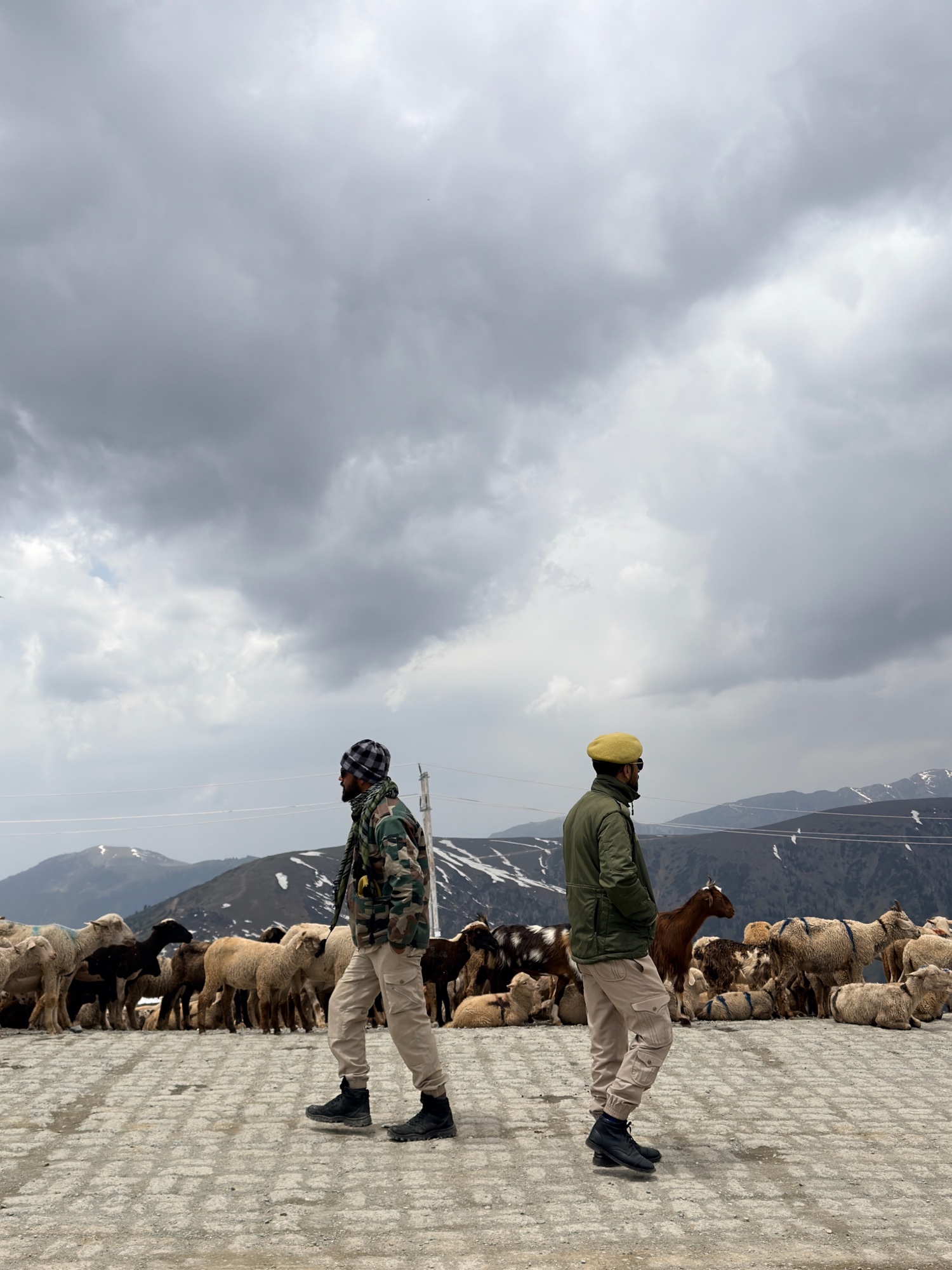 The road was generally in good condition, though a few stretches got rough.
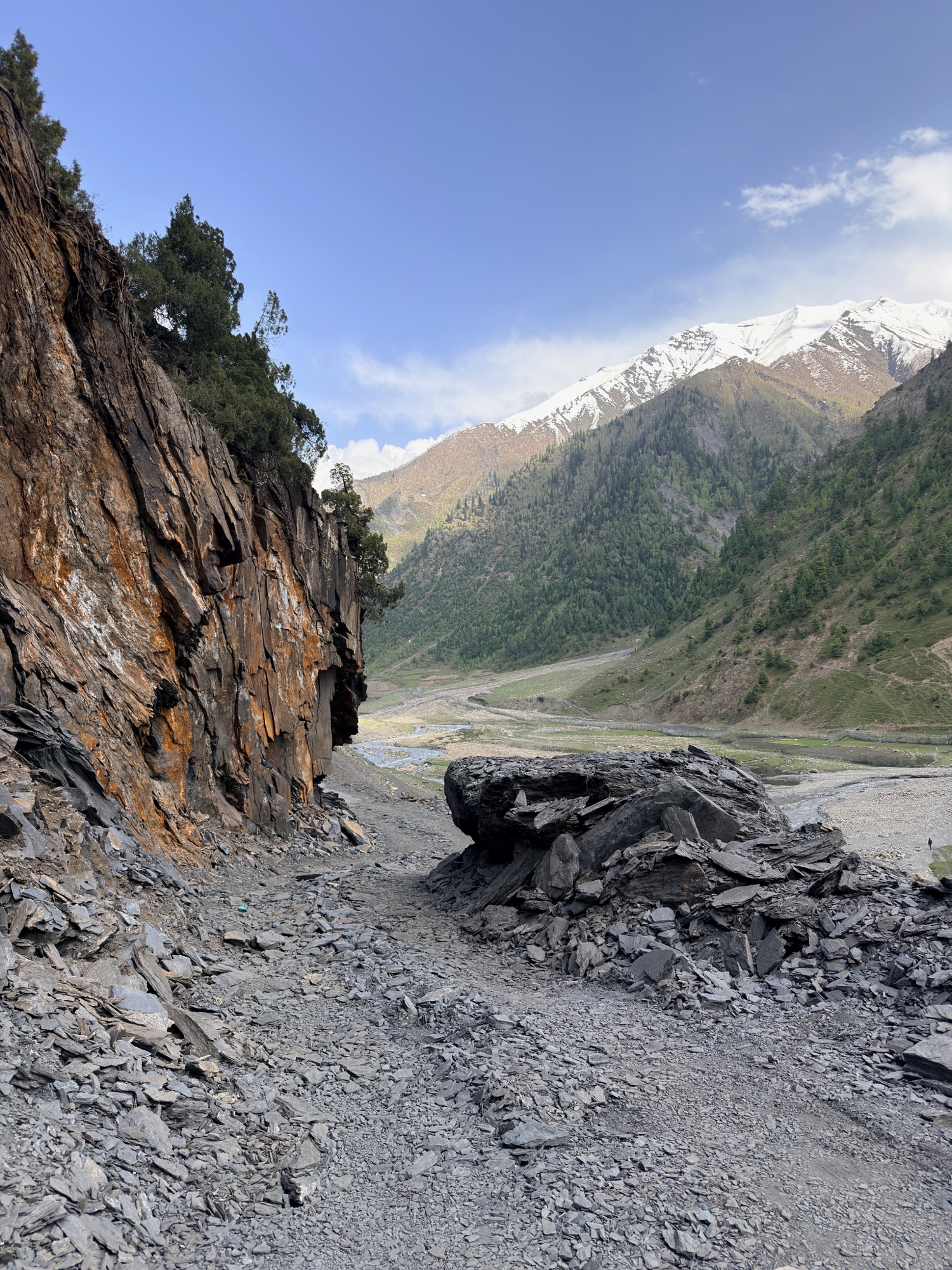 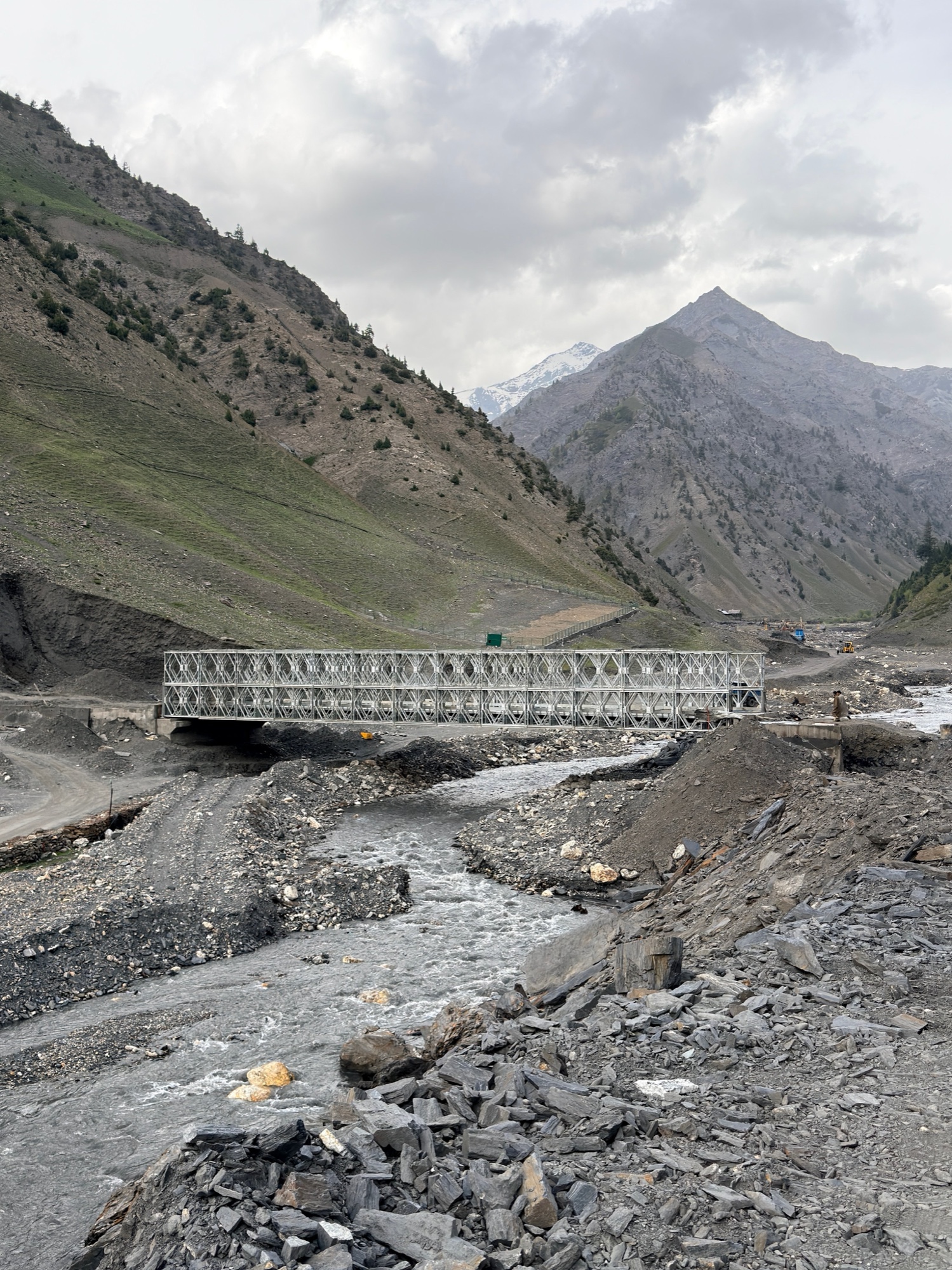 Rode till Chakwali Post, beyond which civilian vehicles are not permitted.
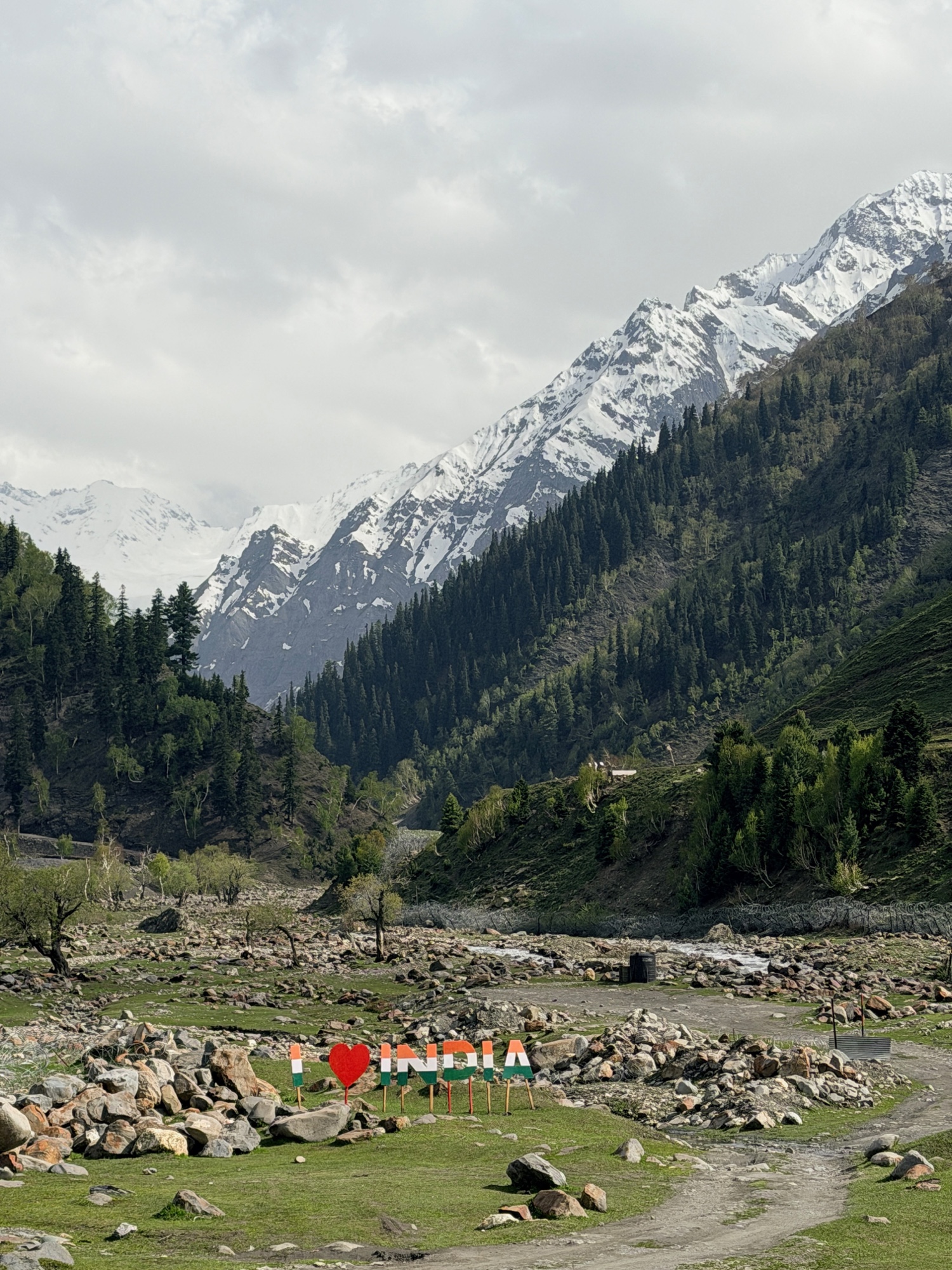 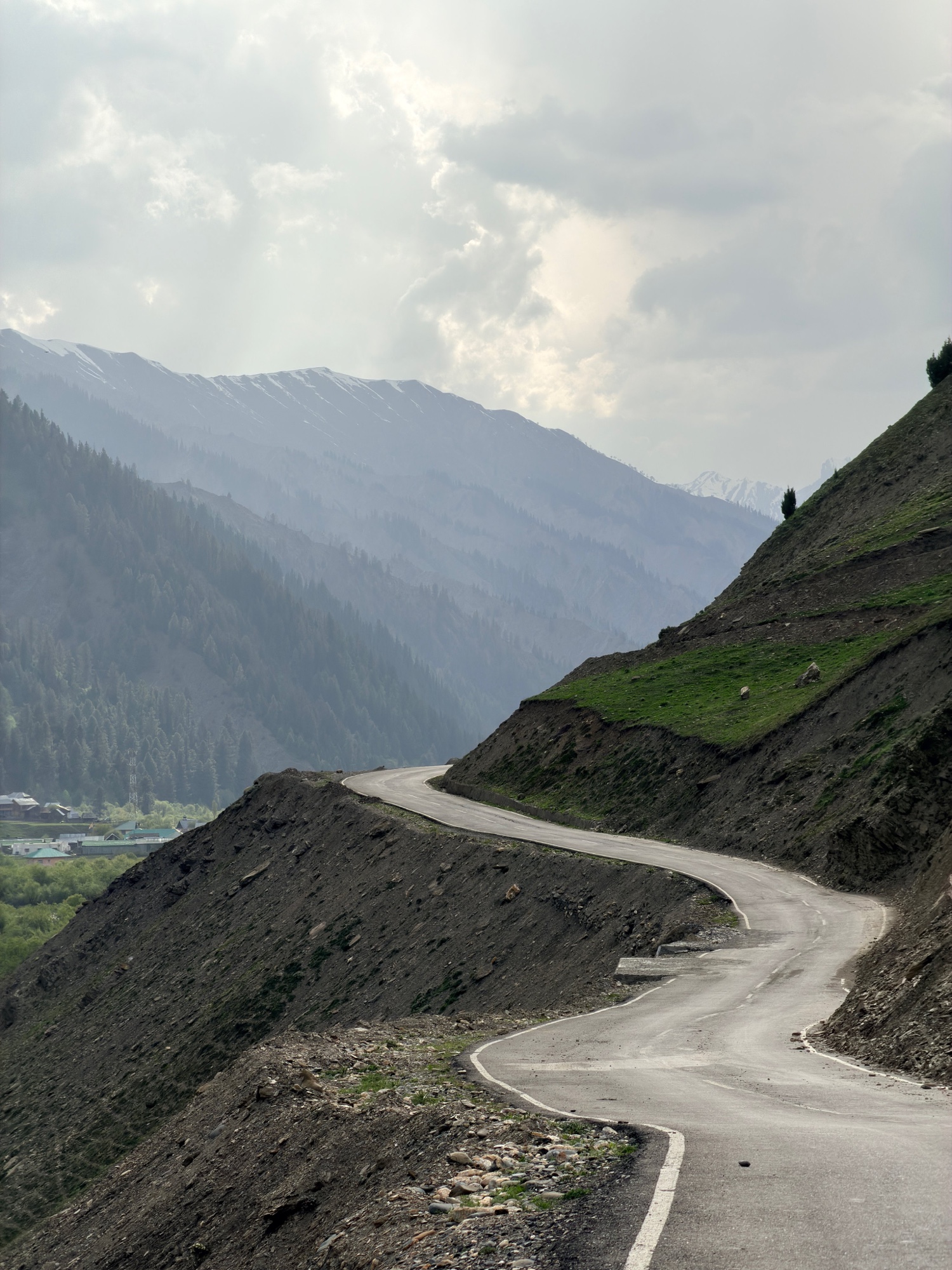 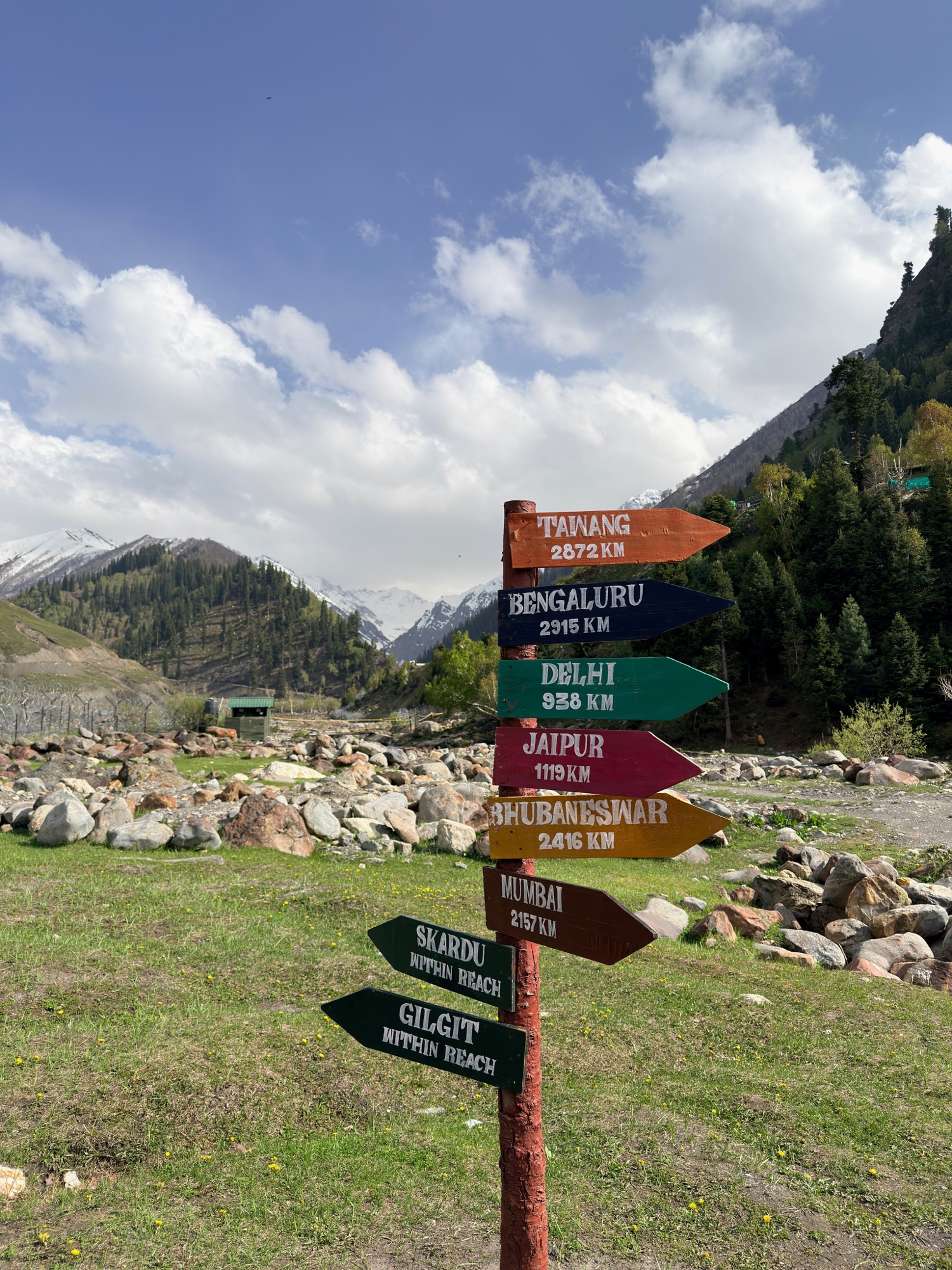 Gurez valley and Tulail valley were magical. Eventually, it was time to turn around and head back towards Srinagar.
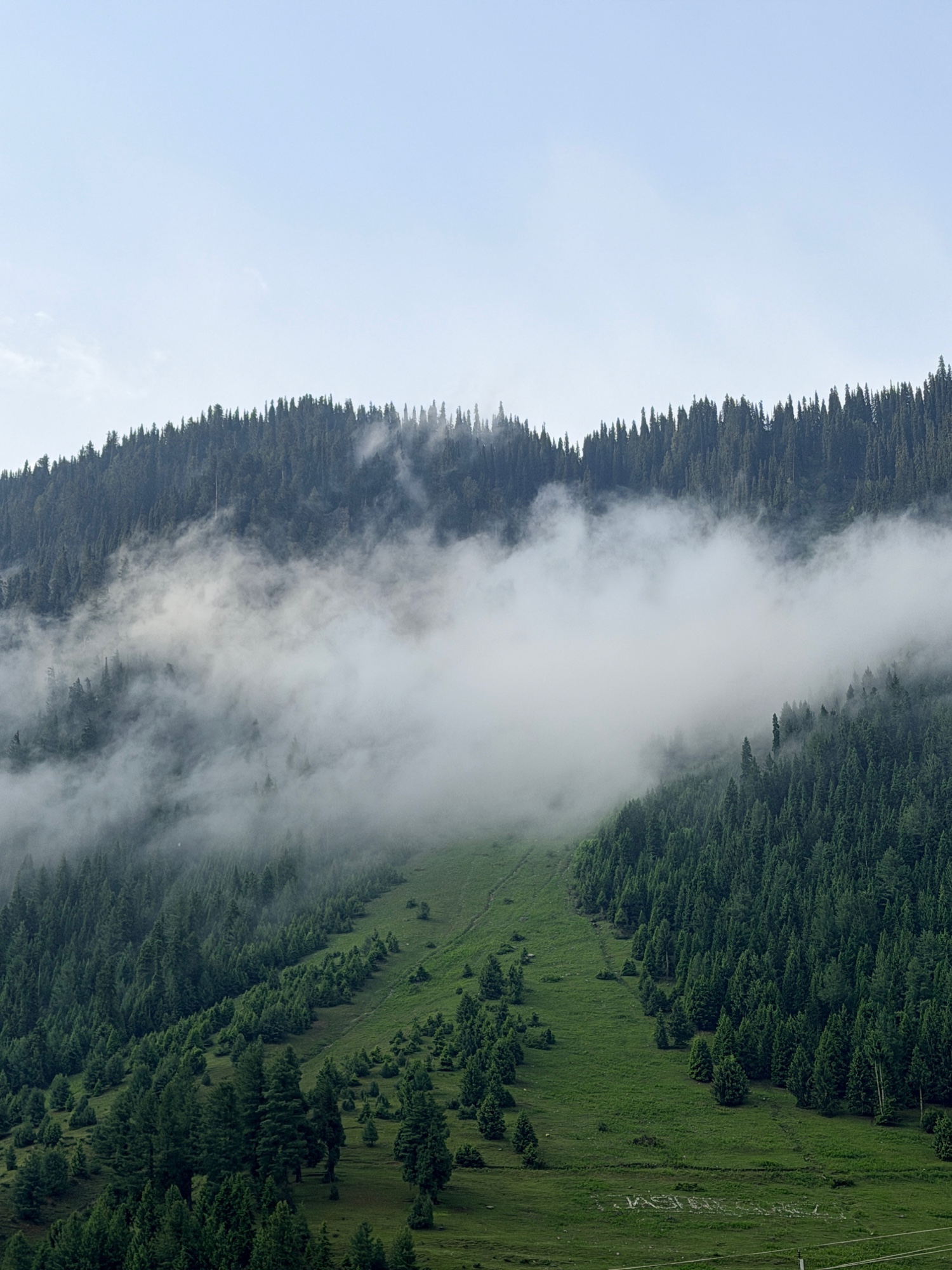 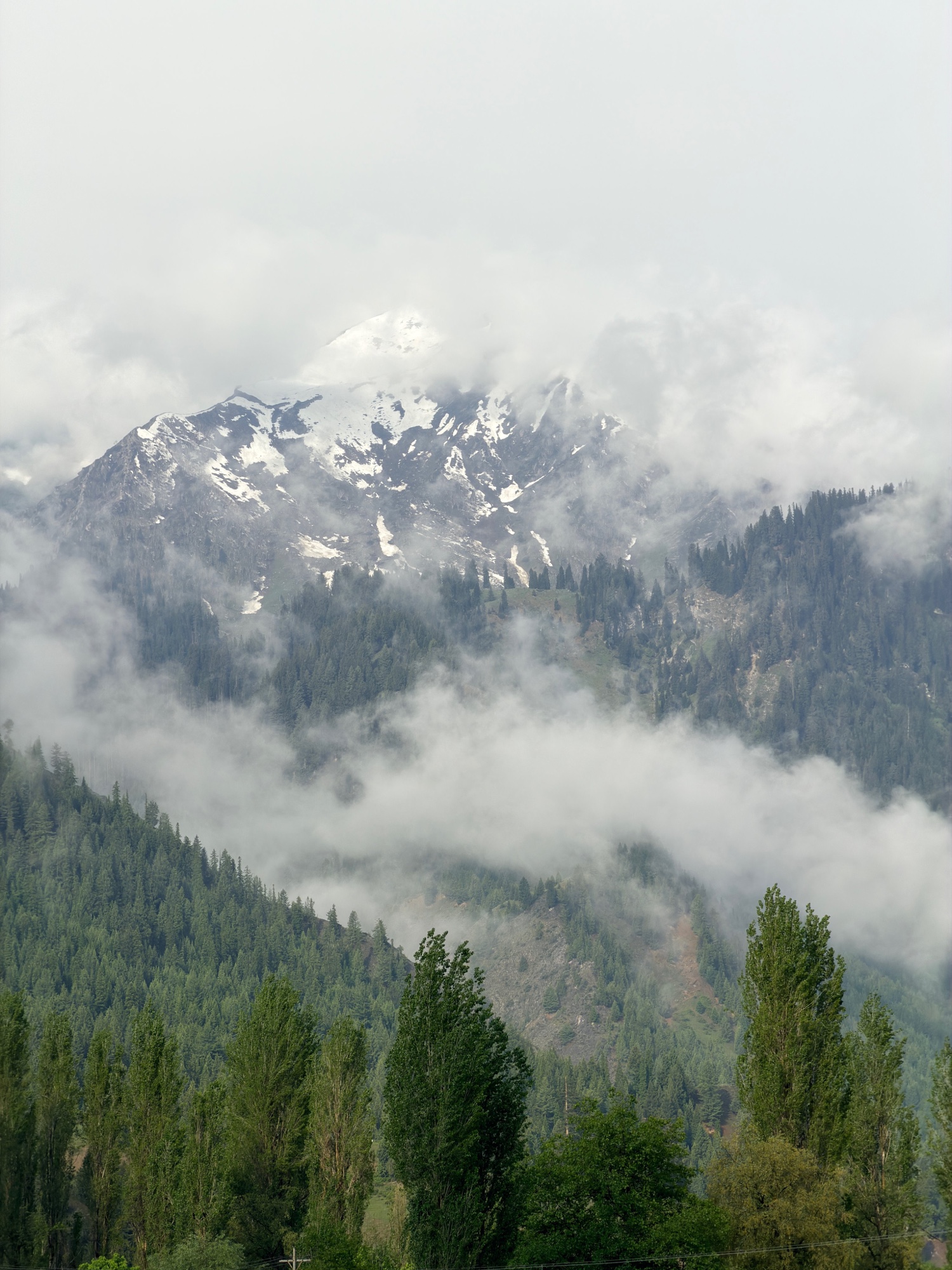 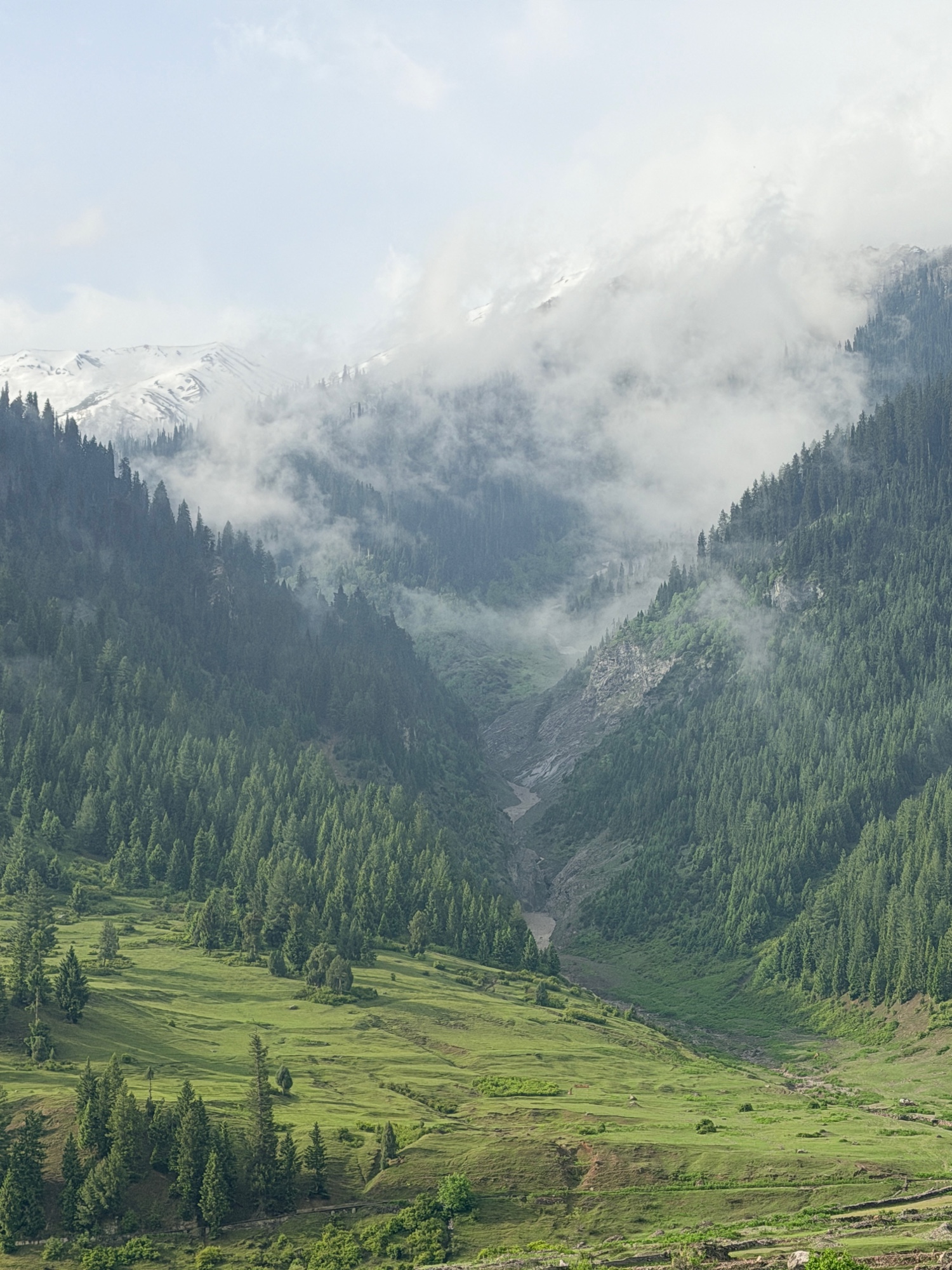 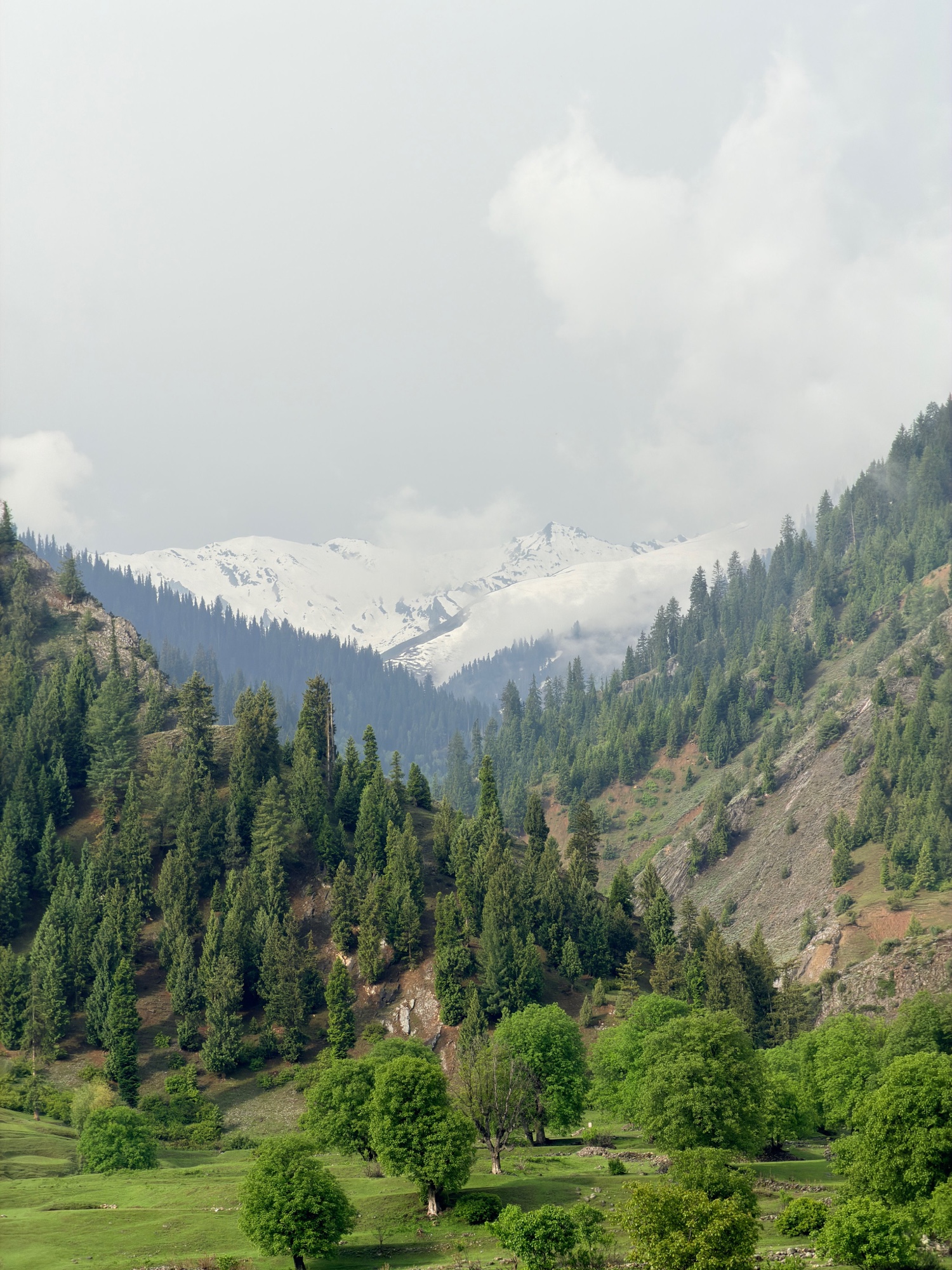 The return ride meant more time with the Kishanganga, the glaciers, and the views from Razdan Pass.
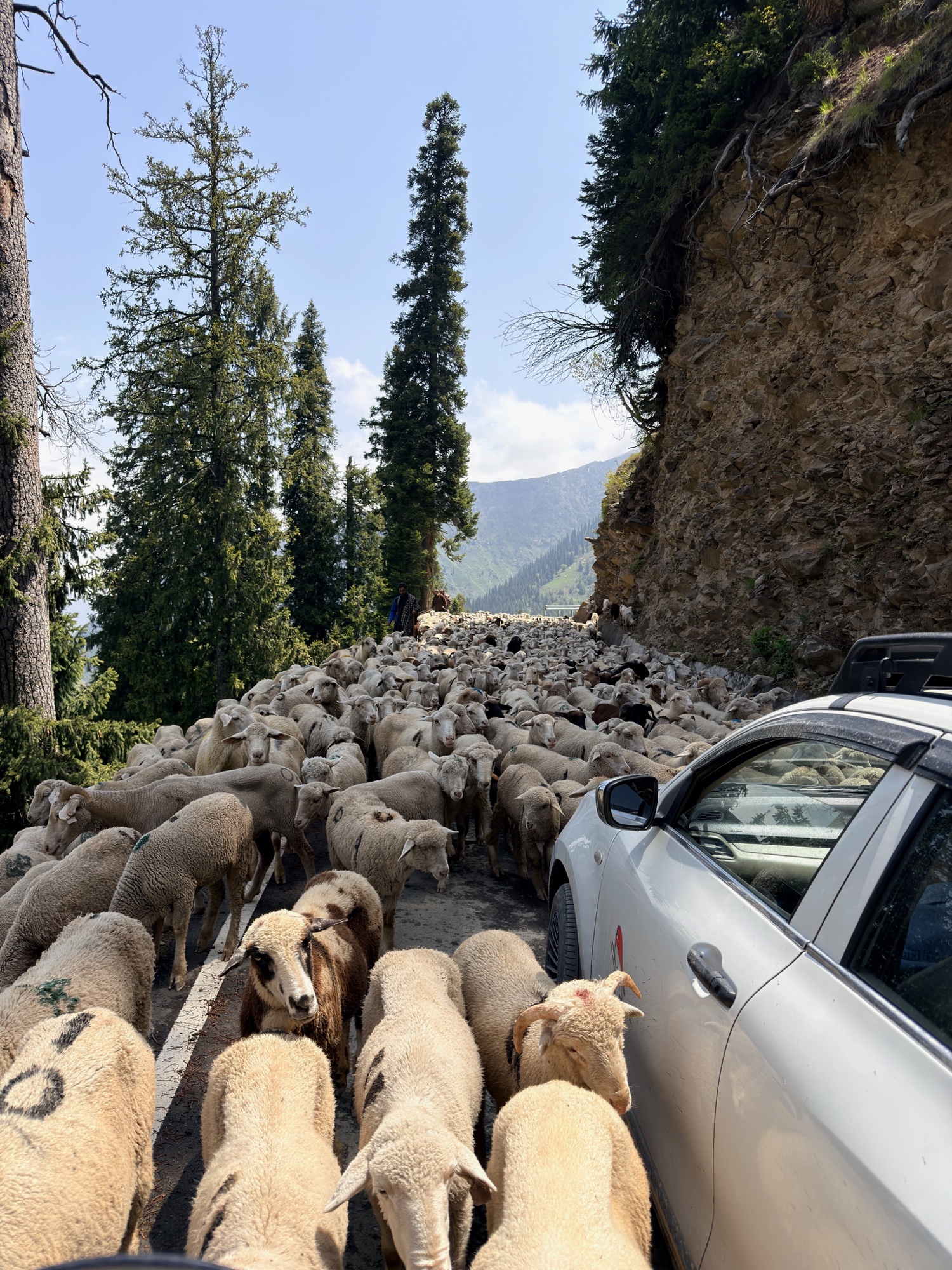
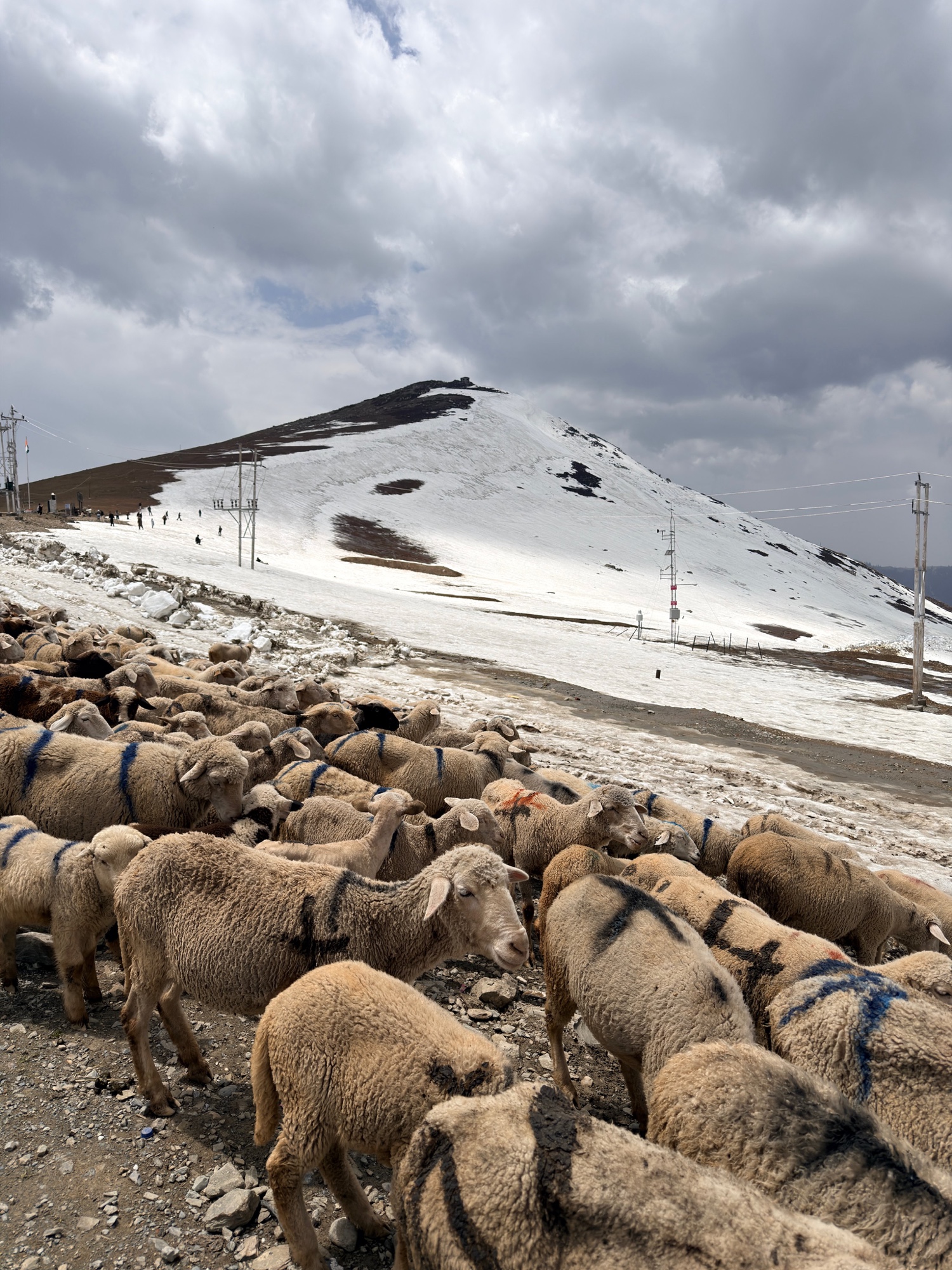
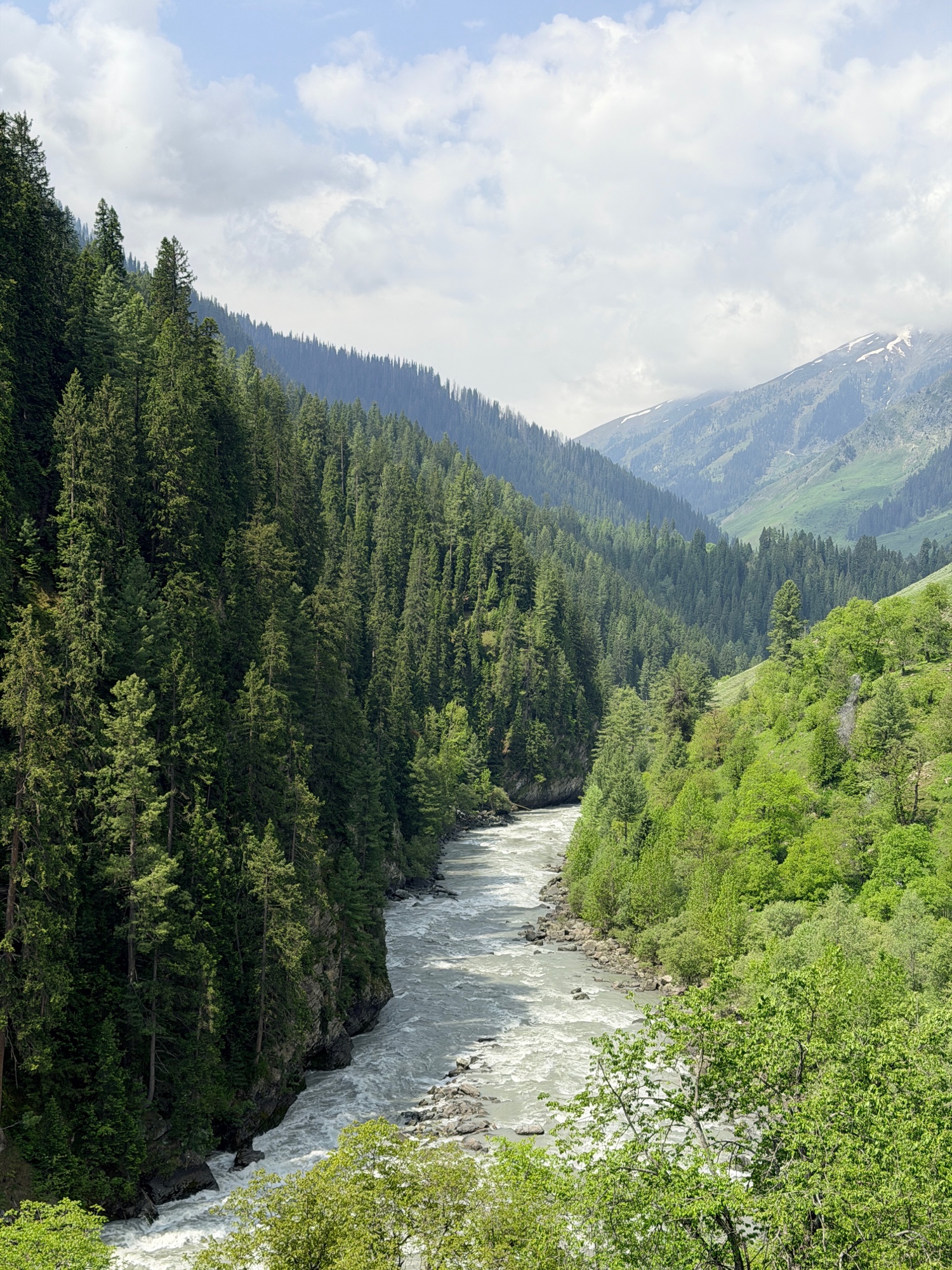 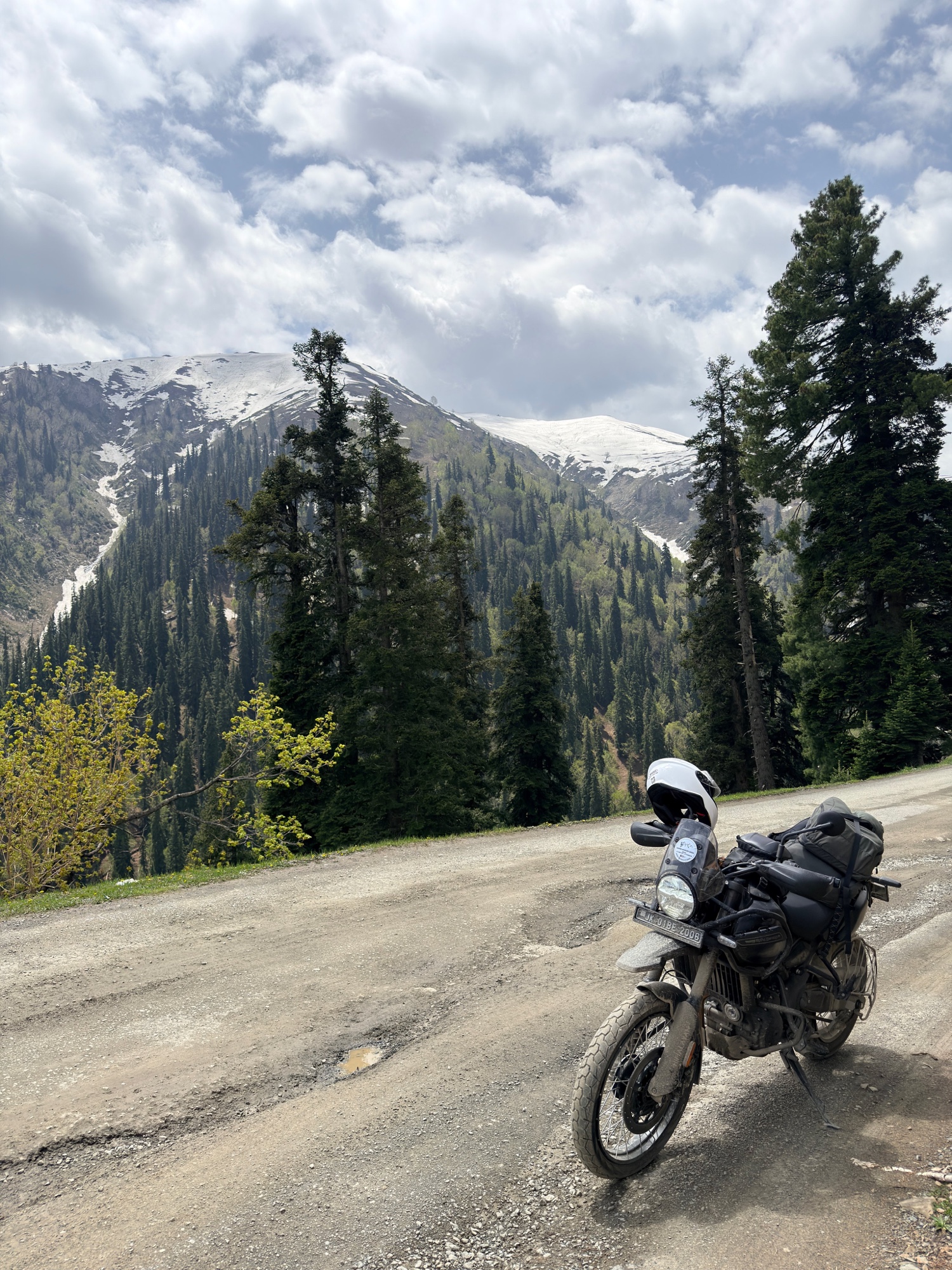 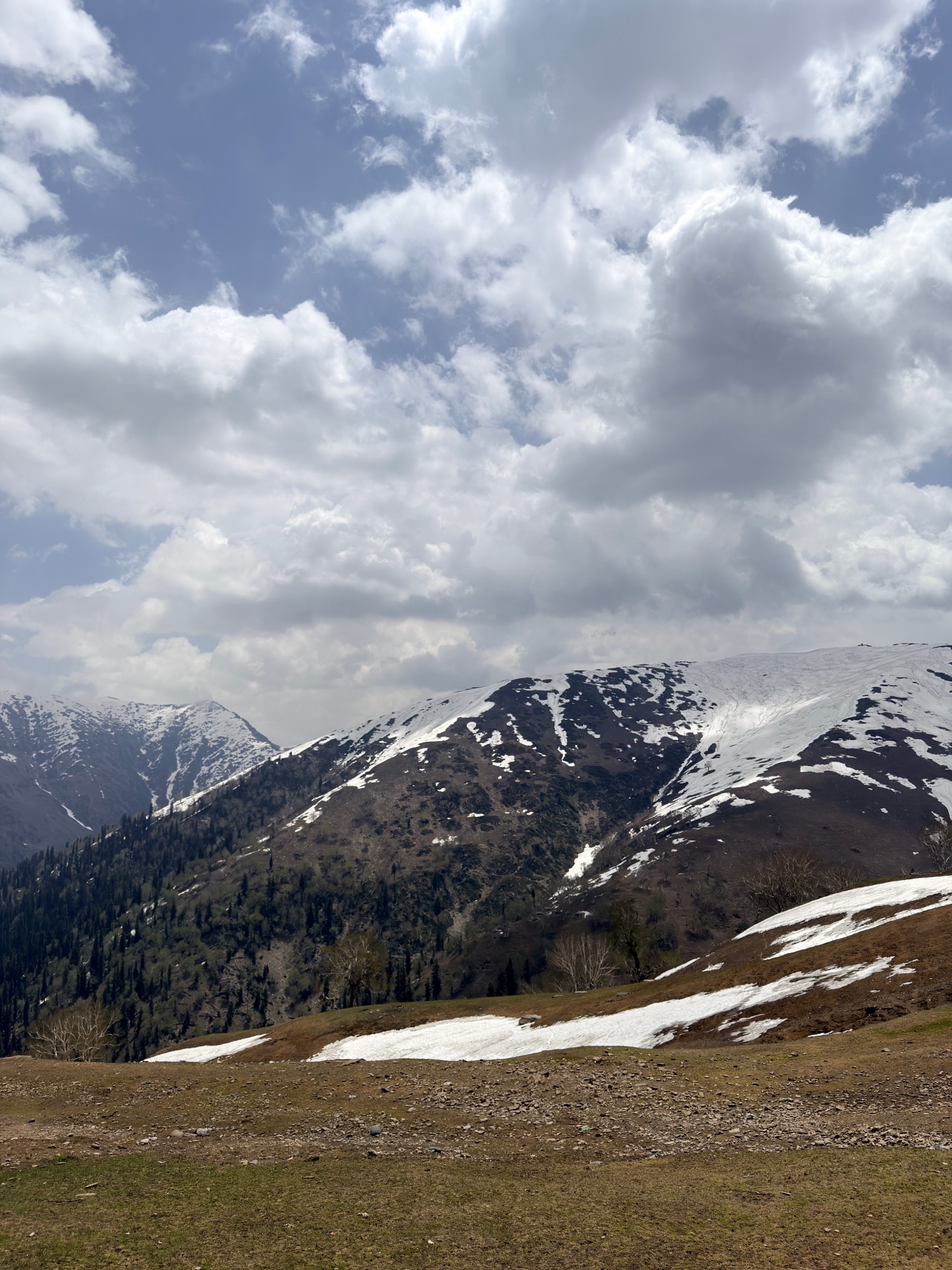 And, of course, the occasional traffic jam.
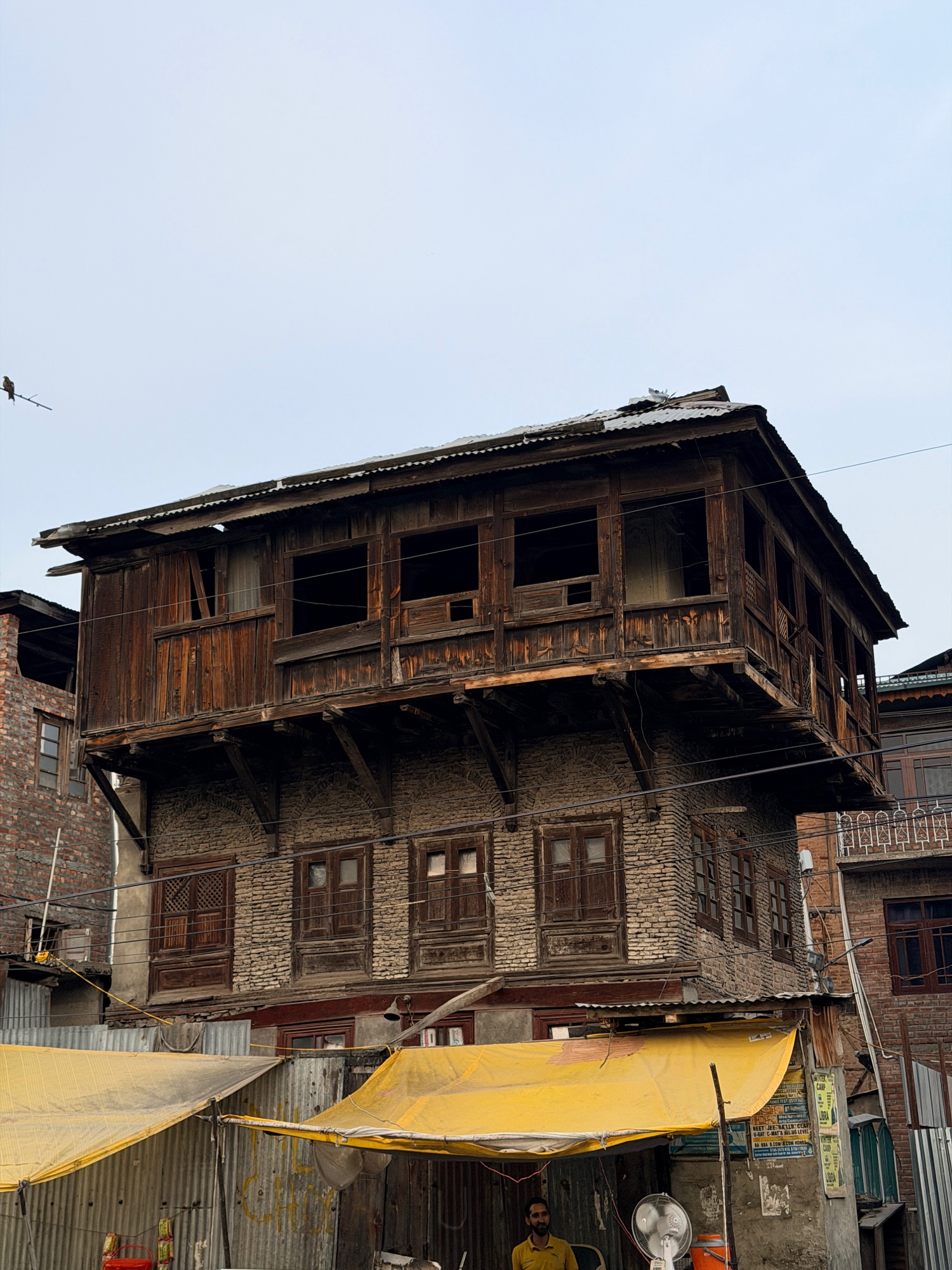
  Back in Srinagar, I left the motorcycle behind and explored the old city on foot. Weathered wooden facades leaned over narrow lanes, carved balconies sagged with age, and beauty and decline seemed to coexist everywhere.
 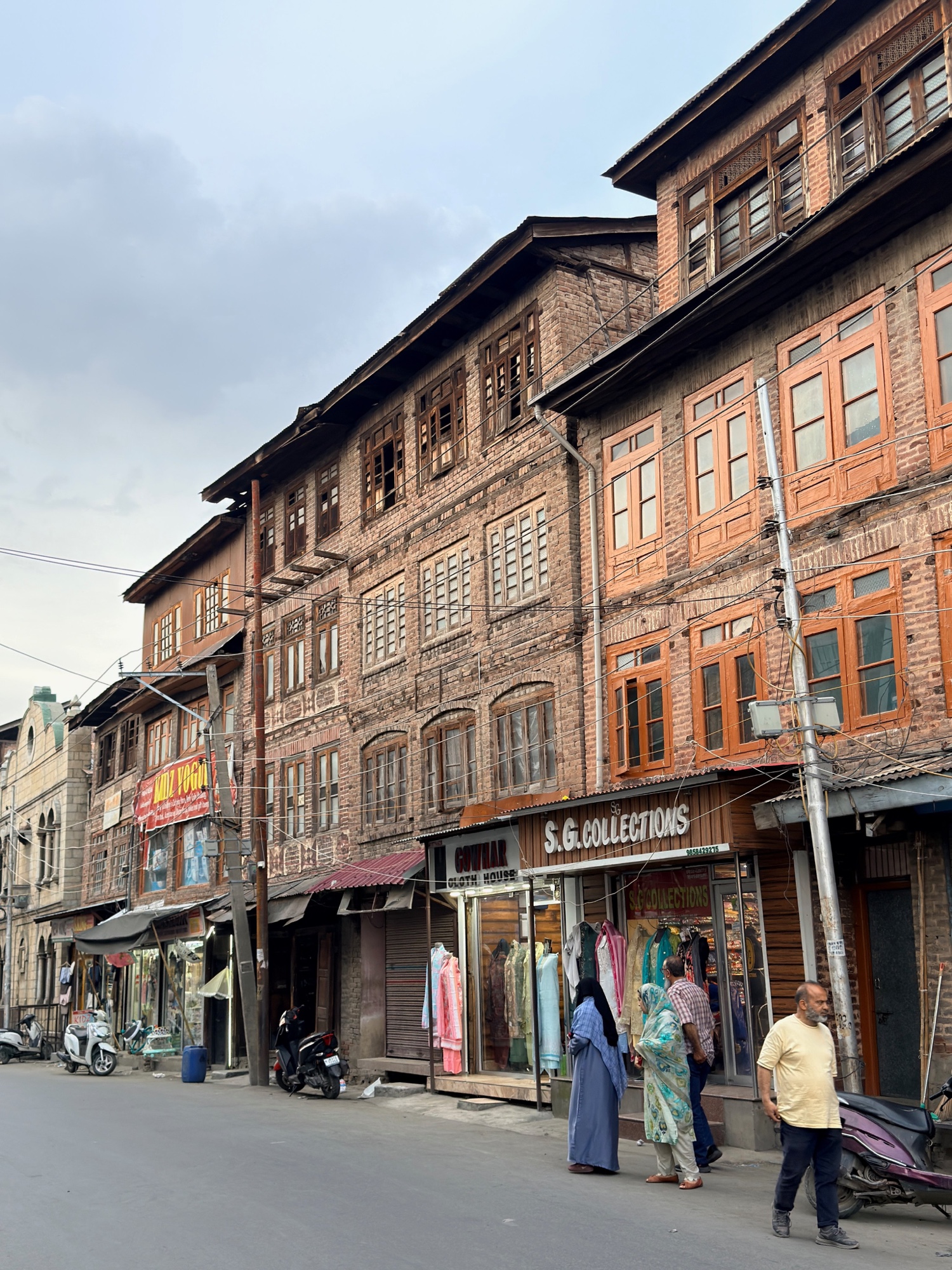 Walking those streets stirred a strange nostalgia - not for a past I had known, but for one that felt close enough to imagine. It reminded me of Orhan Pamuk's description of huzun in Istanbul: a melancholy born from fading grandeur and the quiet awareness of what has been lost.
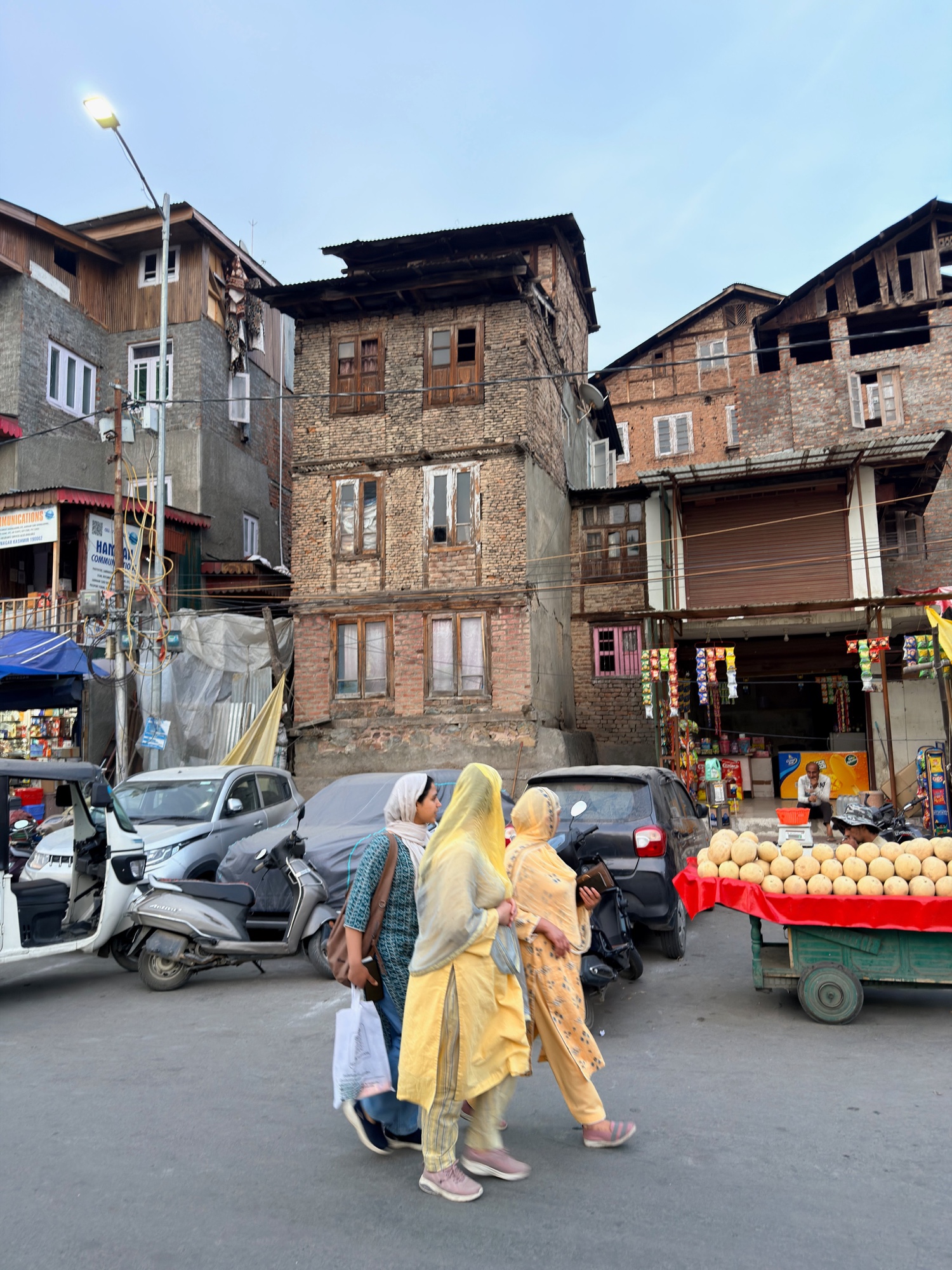 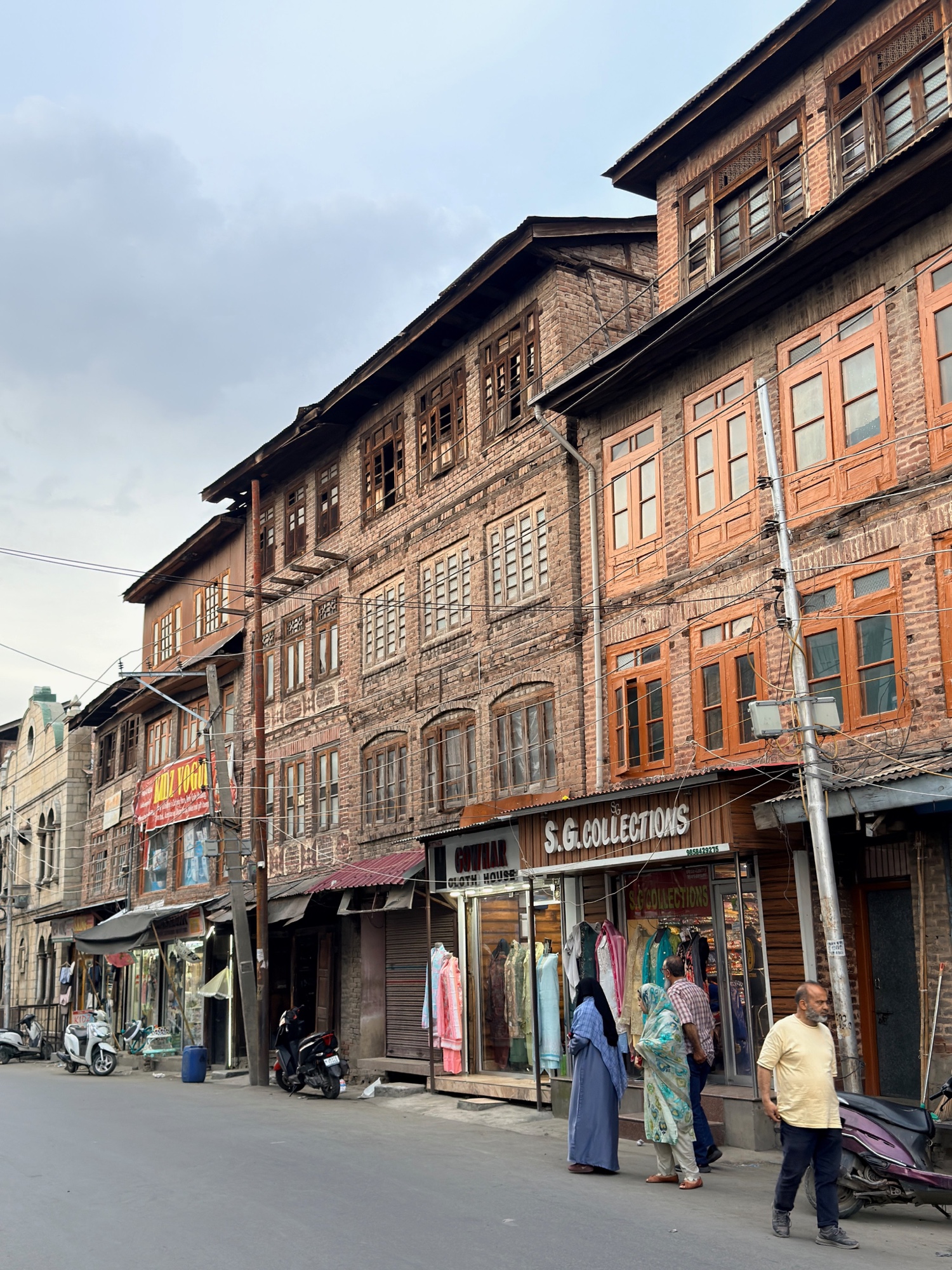 As the afternoon light softened, I wandered into Khanqah-e-Moula (Shah-e-Hamdan) during Asr and found a majlis engaged in Zikr. This khanqah was built in the 14th century on the Jhelum, between Fateh Kadal and Zaina Kadal, in memory of Sufi saint Mir Sayyid Ali Hamadani.
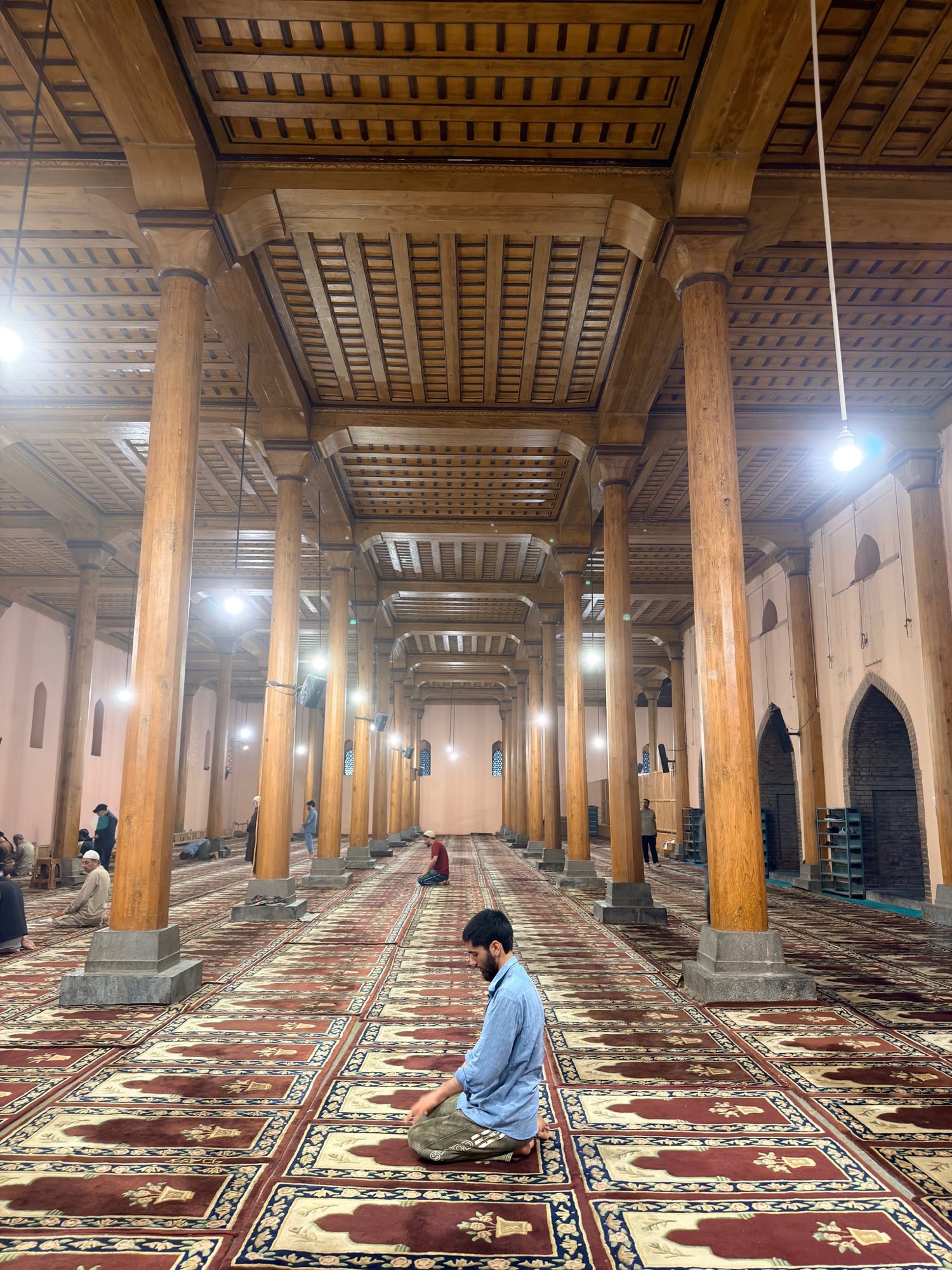
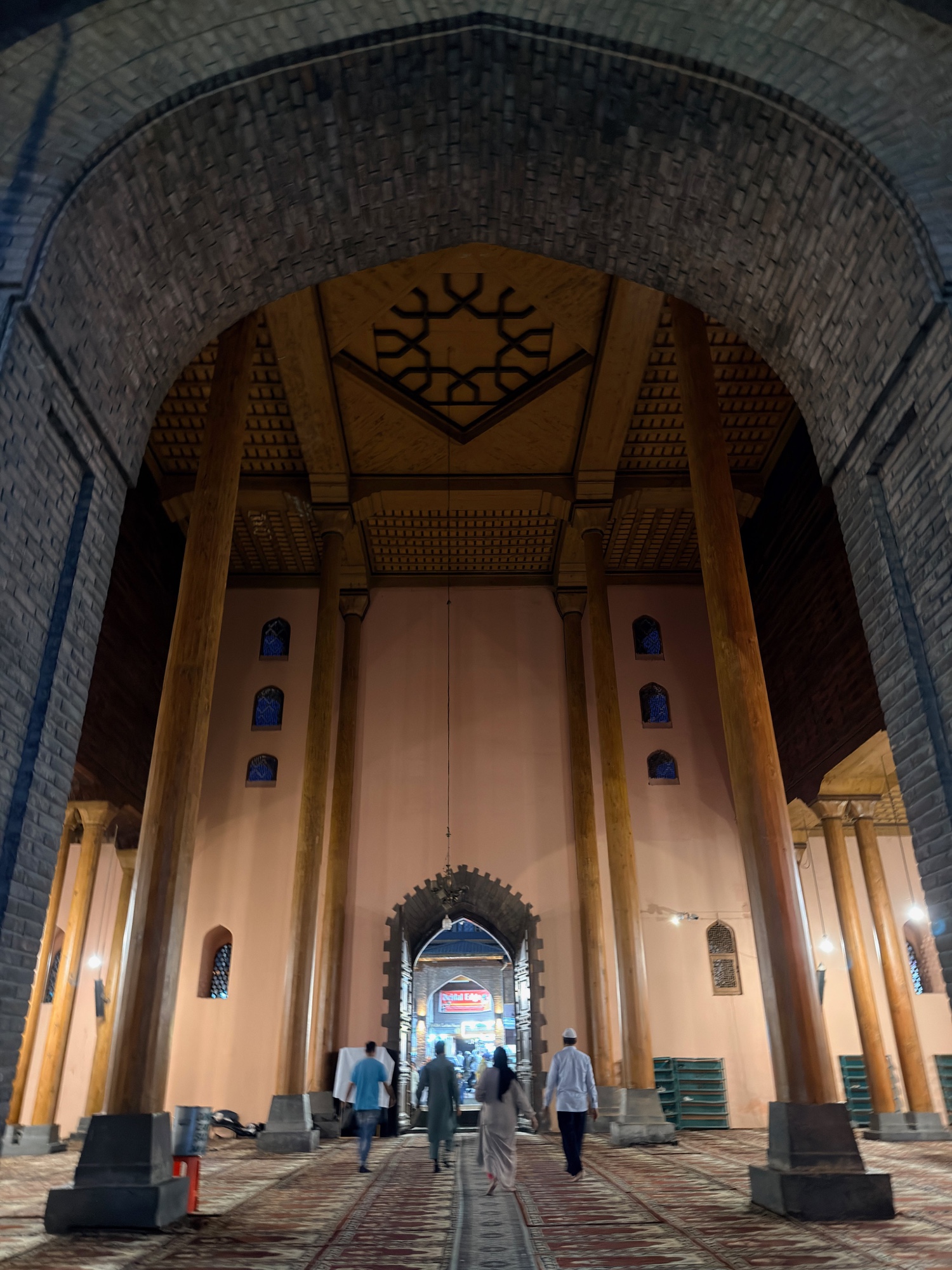
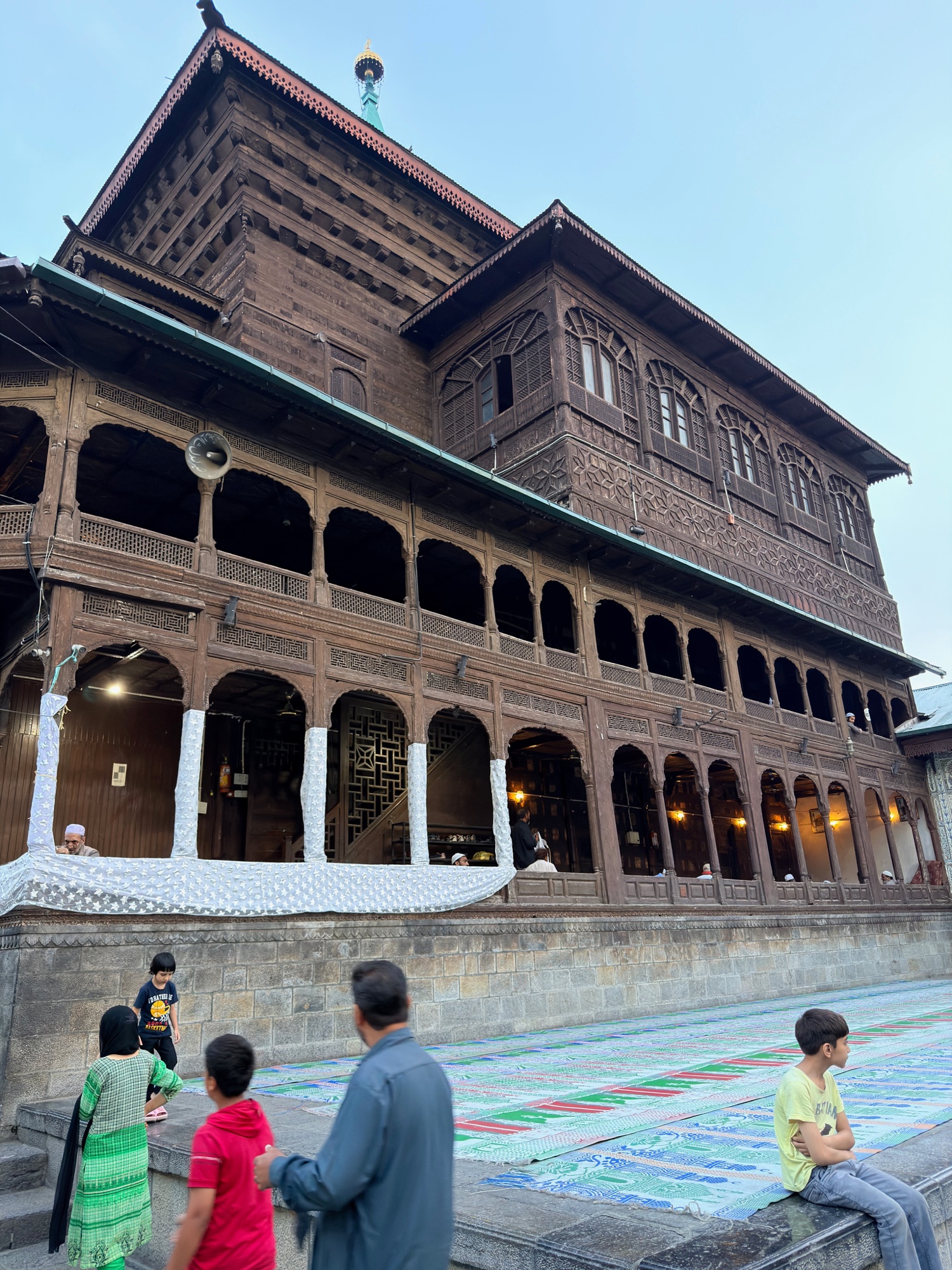 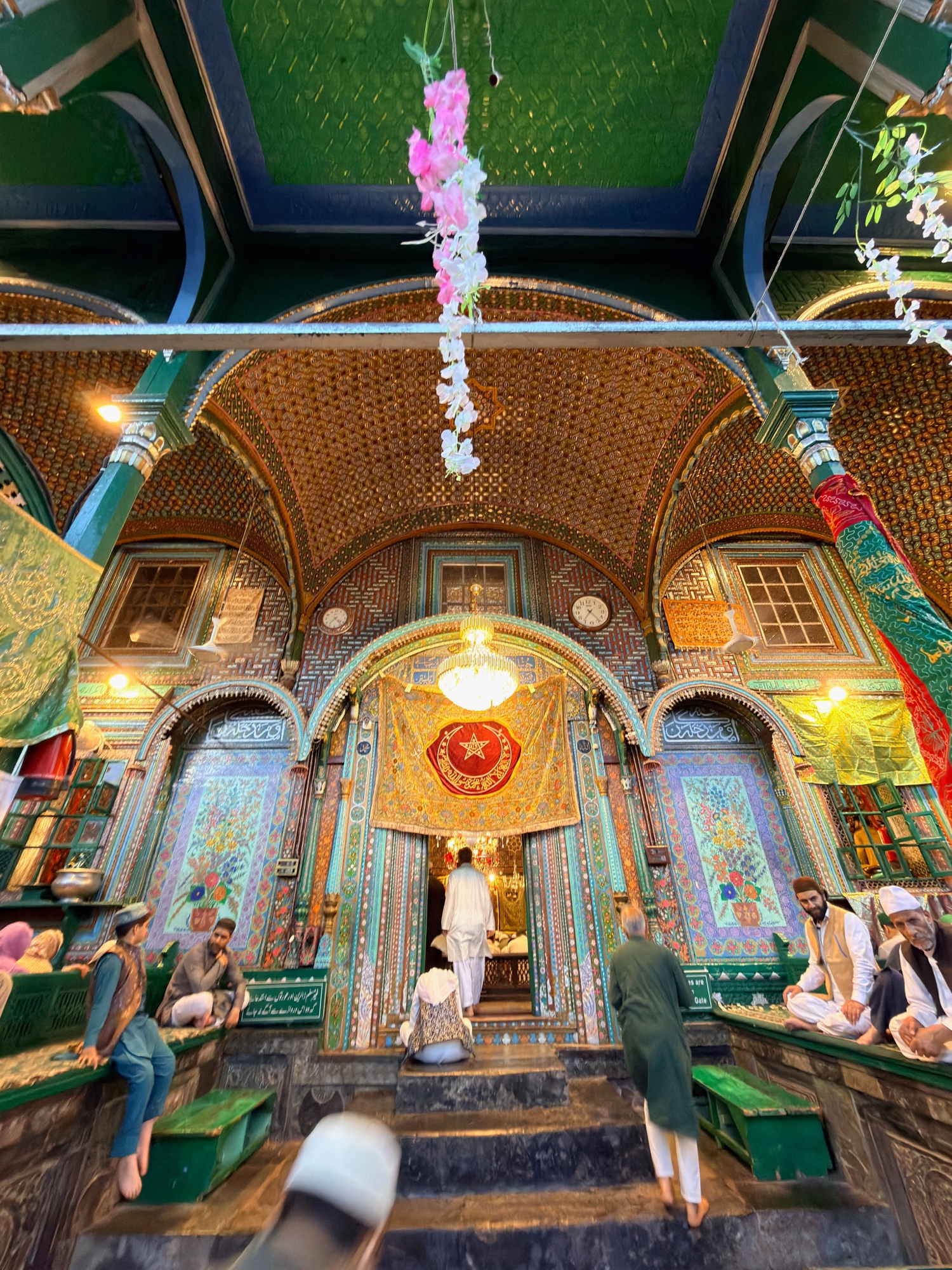 Later, I made my way to Srinagar's Jamia Masjid just in time for the Maghrib prayers.
The mosque reveals itself gradually -- each doorway framing a larger view until the full scale of the courtyard and its wooden-pillared prayer halls comes into sight. 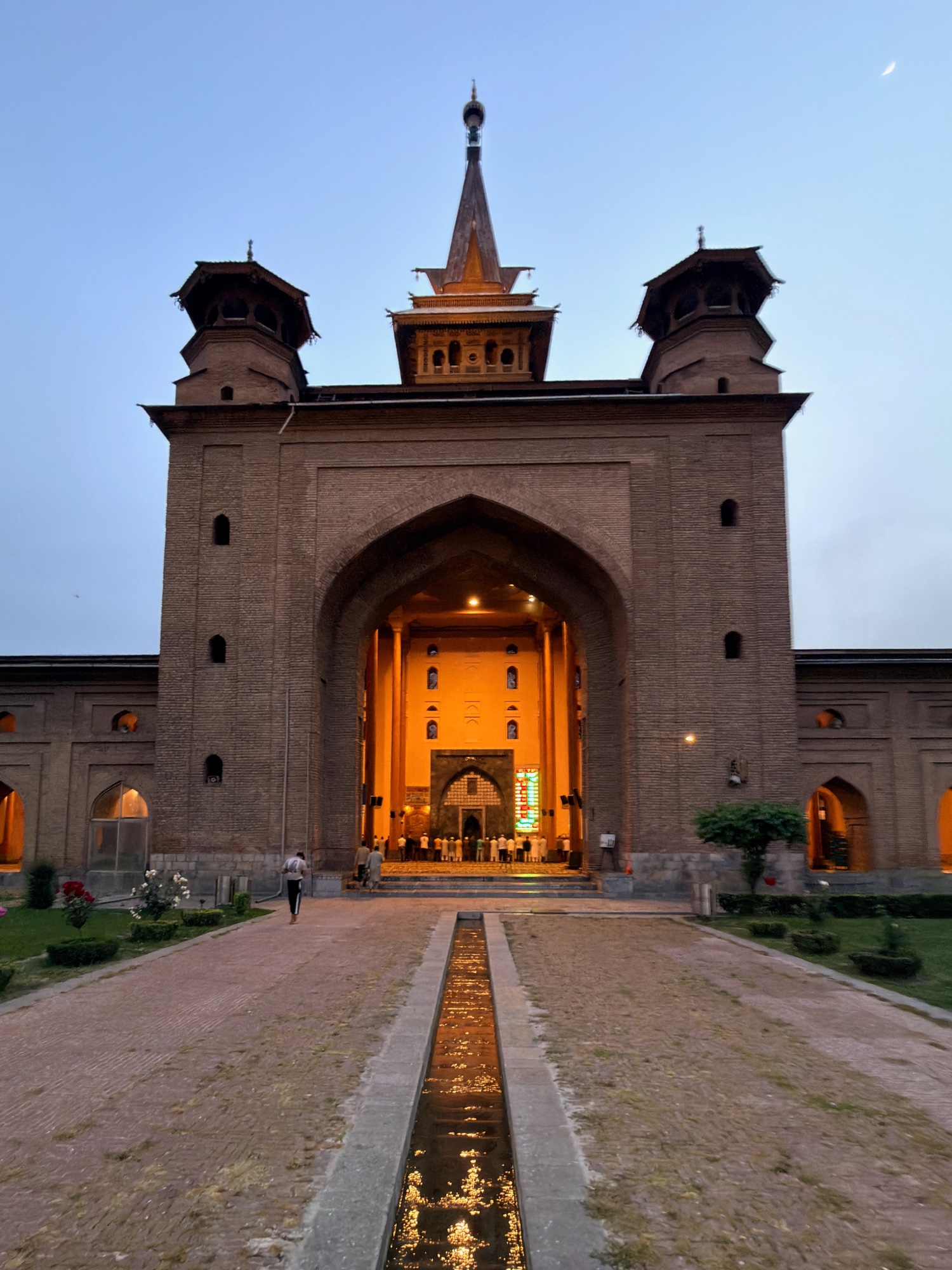 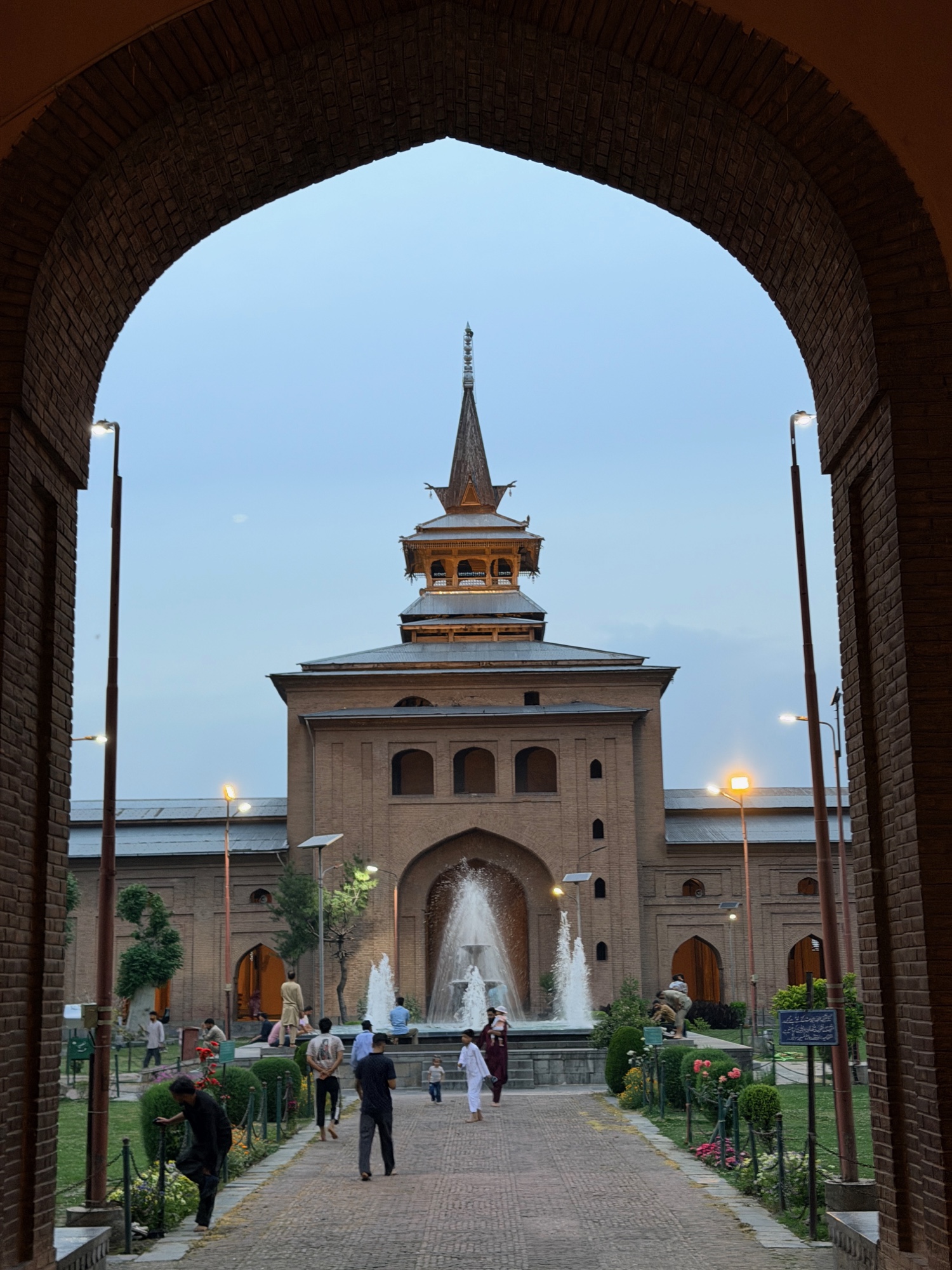 I performed wazu at the fountain and joined the congregation for prayer. It felt like a privilege to pray in a place with so much history.
  The next morning, I set out before sunrise in search of harissa, only to discover that I was a few months too late -- it's a winter dish!
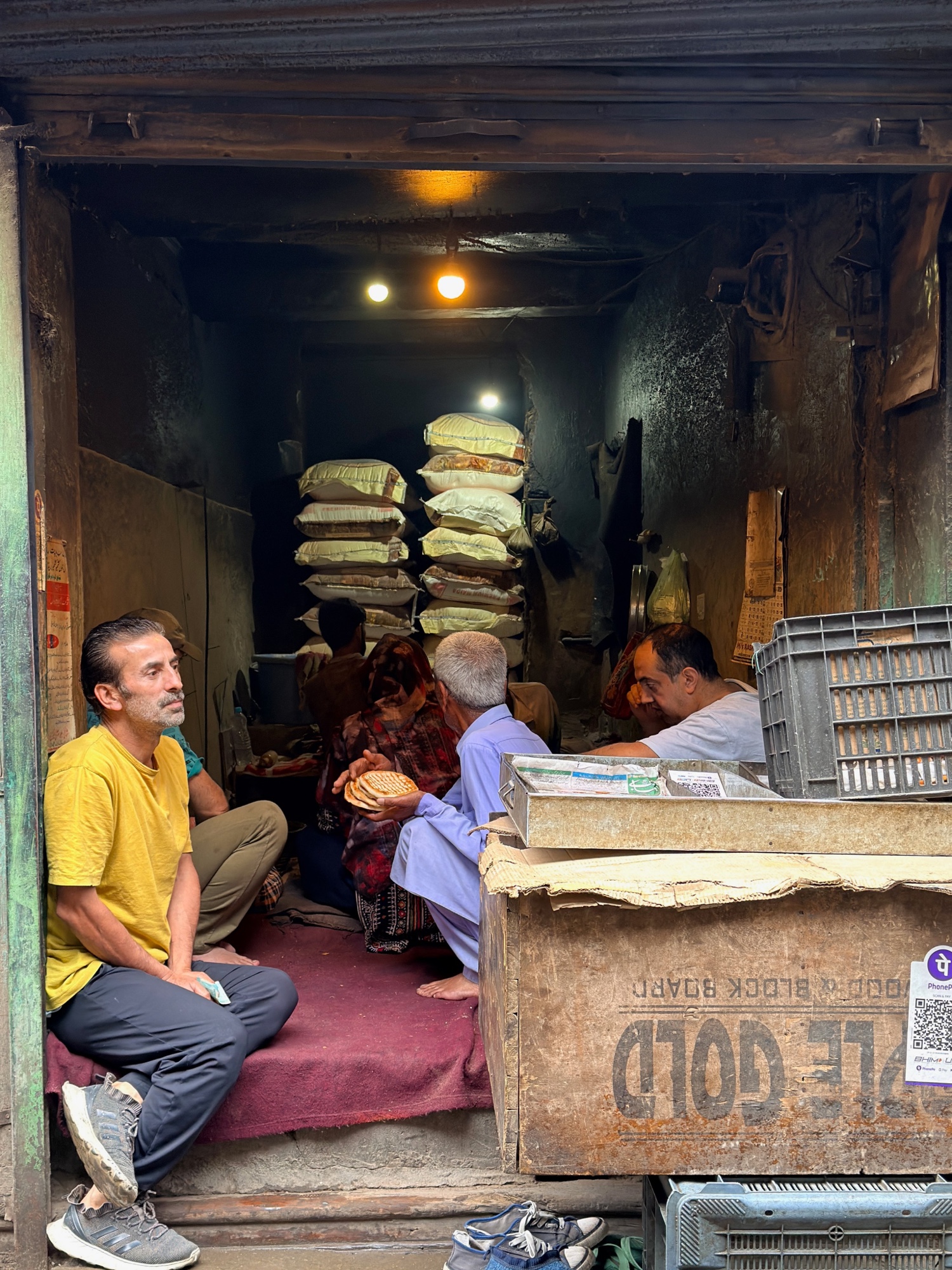
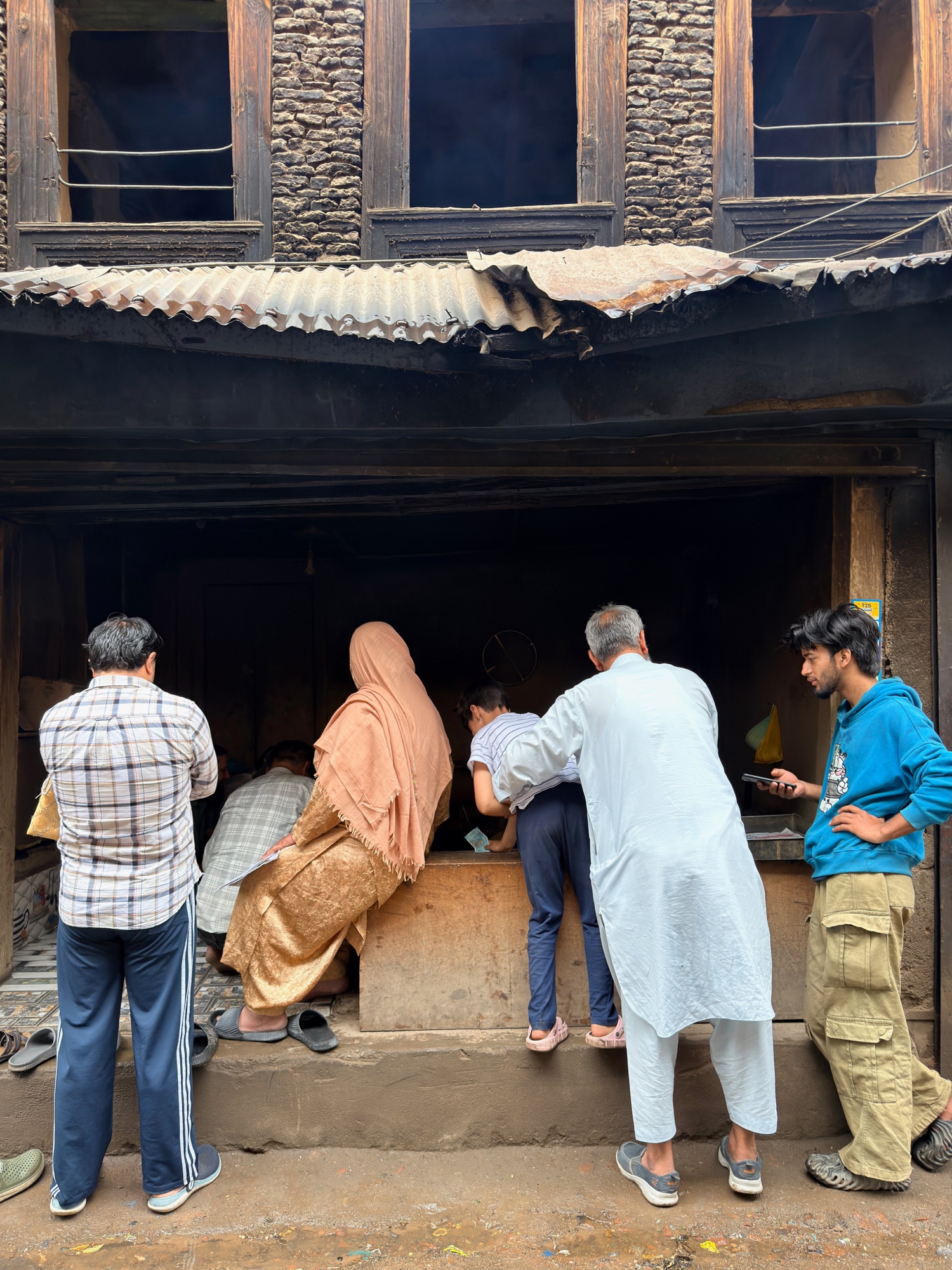
Instead, I wandered back into the old city to experience the kandurs, Srinagar's traditional bakers. 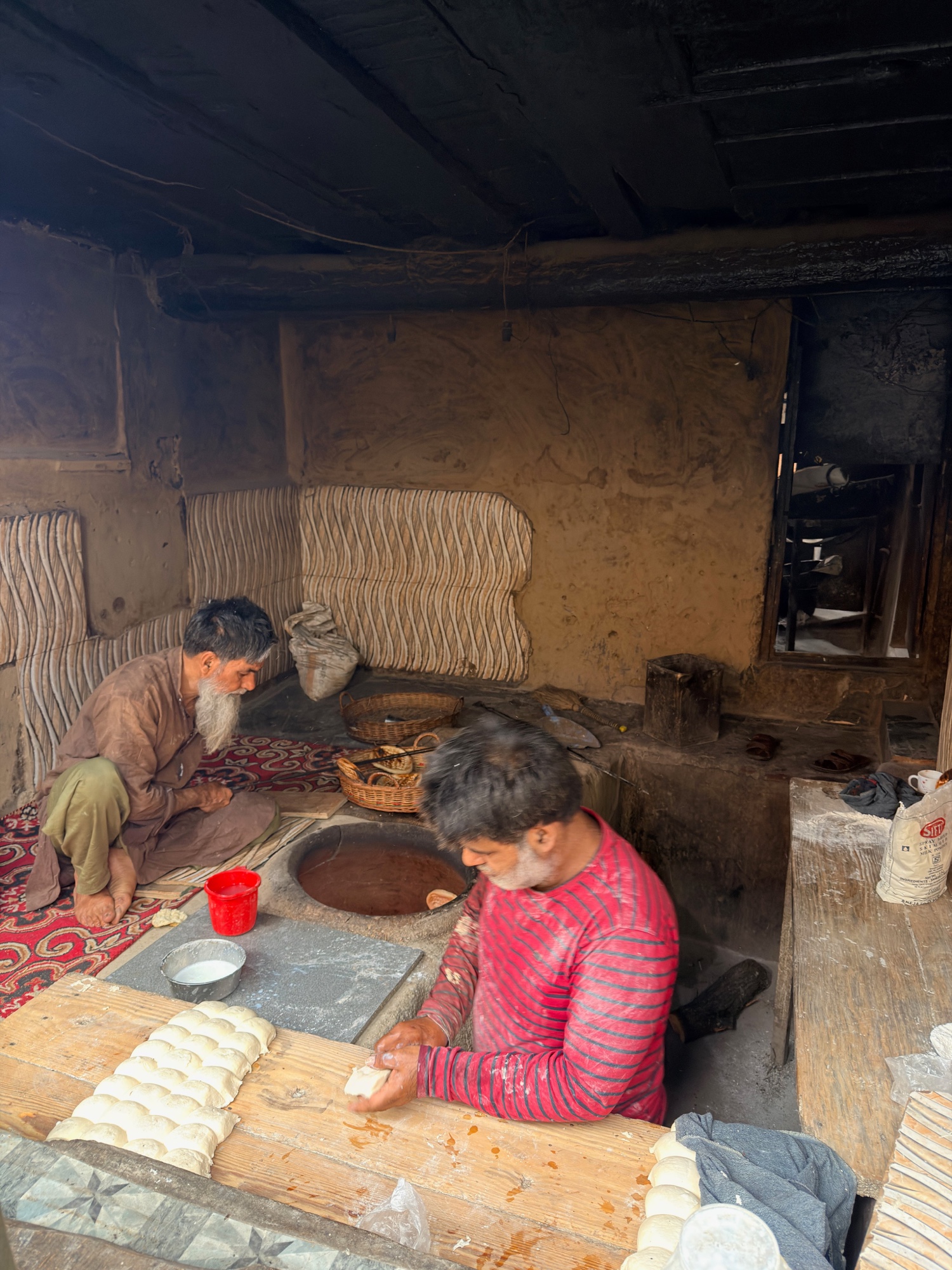 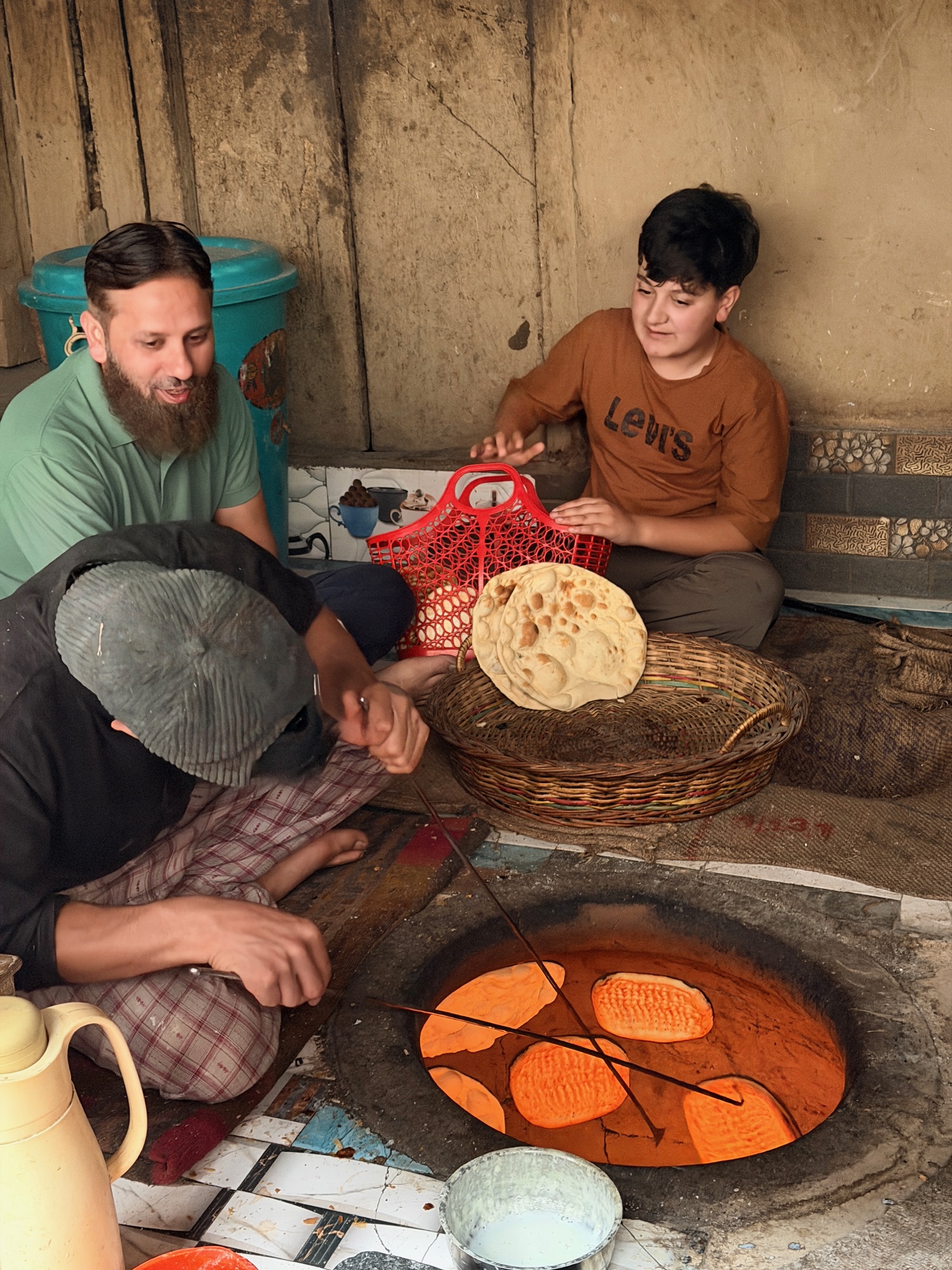 The bakeries were already alive with activity: grandfathers bringing grandchildren to collect the morning bread, women waiting with baskets in hand, and men stopping briefly to pick up a few loaves before continuing on with their day.
  Started riding south towards Pahalgam through saffron fields and Kashmir willow towns known for cricket bats.
Took a quick detour to the 8th-century Martand Sun Temple -- ruined, yet still magnificent, and familiar to many as a filming location from Haider. 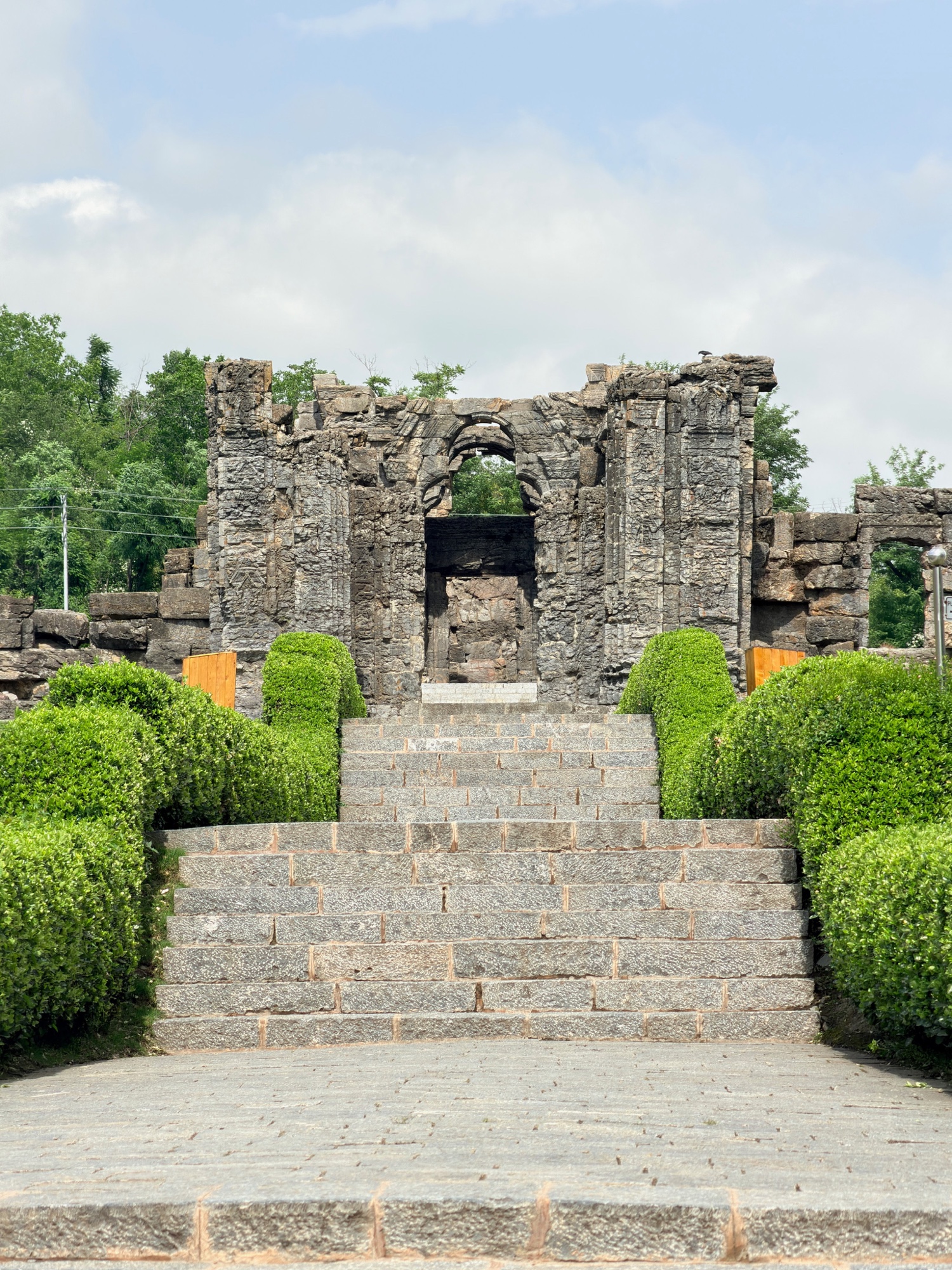 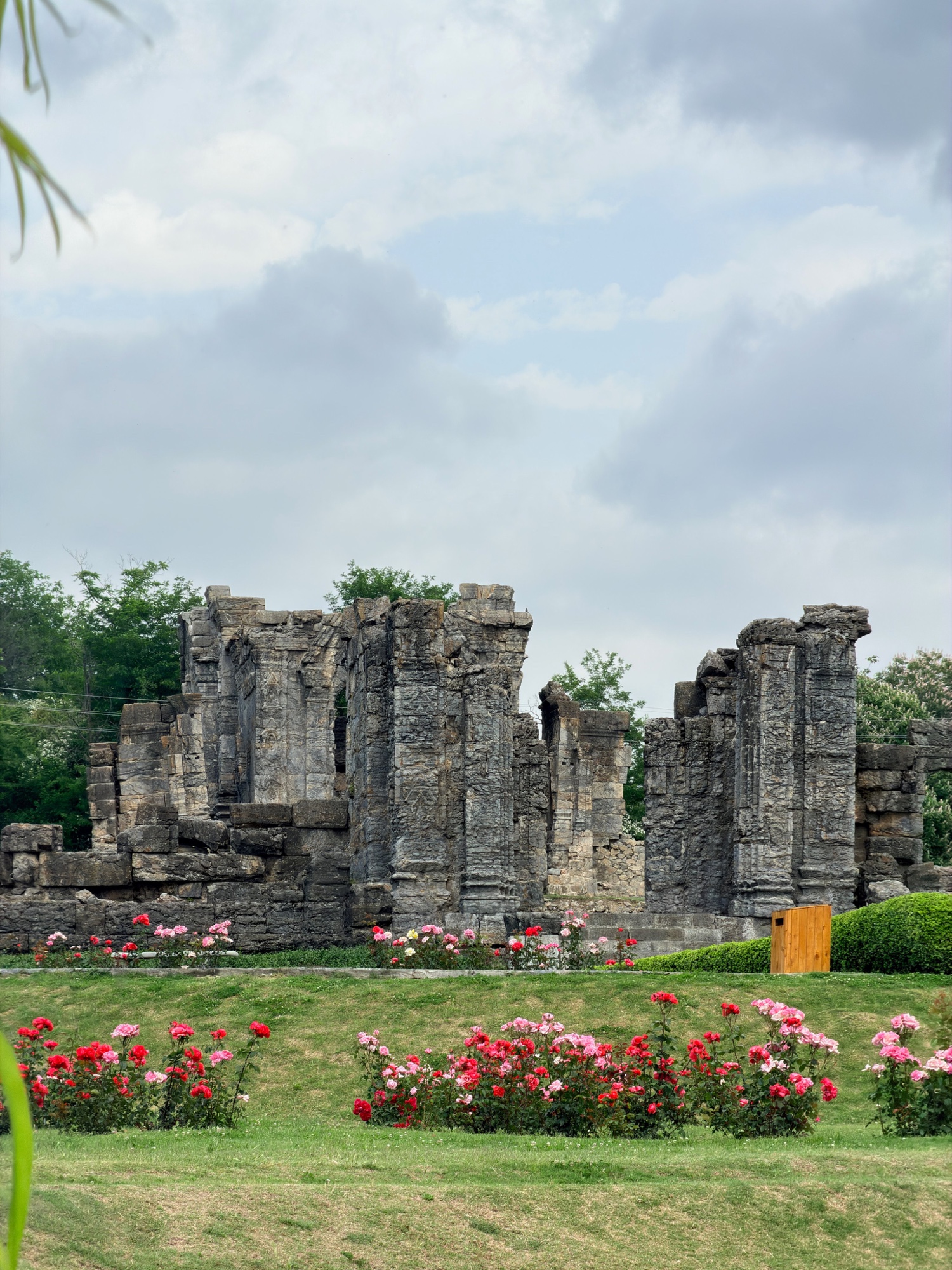
|